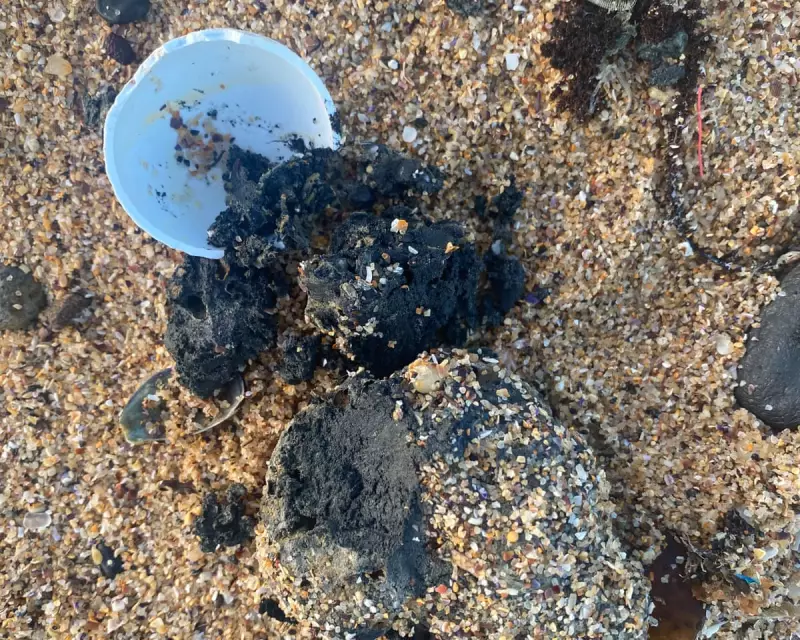
Debris balls containing sewage material have washed up on several Sydney beaches following a weekend of heavy rainfall, prompting urgent clean-up operations and public health warnings. The objects, described as black and grey blobs with a foul odour when broken open, have been found at Malabar beach adjacent to a wastewater treatment facility and also in Botany Bay.
Immediate Clean-Up and Public Warnings
Sydney Water has erected signage at Malabar beach alerting visitors to the potential pollution hazard. The signs state: "This area may be affected by sewage debris balls. Please do not touch any debris. We are cleaning the area and apologise for any inconvenience." Contractors in high-visibility clothing have been observed removing wet wipes and chunks of grease from the affected beaches over multiple days.
Connection to Massive Fatberg
The recent incident follows revelations about a giant fatberg potentially the size of four Sydney buses within Sydney Water's Malabar deepwater ocean sewer system. A confidential report from the water authority identified this accumulation of fats, oils and grease as the likely source of similar debris balls that forced beach closures approximately one year ago.

According to the report, these debris balls are released during "sloughing events" caused by rapid changes in pumping pressure, typically triggered by power outages or heavy rainfall. The weekend storm that hit Sydney brought more than 100mm of rain within hours, creating conditions conducive to such discharge events.
Multiple Beach Locations Affected
Beyond Malabar beach, contamination has also been reported at Foreshore beach near where Mill Stream enters Botany Bay. This location is regularly identified as one of Sydney's most polluted beaches due to its proximity to a main overflow valve for the Malabar sewage system.
On Wednesday morning, Foreshore beach was littered with waxy, grey lumps ranging from small balls to pieces as large as half a house brick. The Environment Protection Authority confirmed it was notified about the pollution incidents on Monday and that Sydney Water was managing the clean-up operations at both locations.
Long-Term Infrastructure Challenges
Sydney Water chief executive Darren Cleary recently defended the city's reliance on deepwater ocean outfalls at Malabar, Bondi and North Head, which handle approximately 80% of Sydney's wastewater. While stating that these systems have met environmental standards for nearly three decades, Cleary acknowledged that the debris ball incidents represent unexpected events.
The water authority is implementing a substantial $3 billion investment program over ten years to upgrade key upstream wastewater treatment facilities at Malabar. This initiative aims to significantly reduce the volume of wastewater requiring discharge through the deep ocean outfall system.
Complex Maintenance Dilemma
The confidential Sydney Water report highlighted the considerable challenges associated with addressing the massive fatberg within the Malabar system. Complete removal would necessitate shutting down the outfall for maintenance and diverting sewage to "cliff face discharge," an approach that would likely close Sydney's beaches for several months.
The August 2025 document acknowledged that this solution had never been attempted and was no longer considered an acceptable approach, leaving authorities with limited options for resolving the underlying infrastructure issue.
Sydney Water continues to investigate the exact origin and cause of the latest debris ball incidents while maintaining regular testing around offshore diffuser sites. The authority emphasizes that Sydney beaches generally maintain good water quality despite these periodic contamination events.