The Labour government has unveiled its long-awaited warm homes plan, a comprehensive £17.5bn strategy that marks a significant shift in approach to upgrading UK households. Rather than focusing primarily on insulation, the plan prioritises the installation of green technology, including solar panels, batteries, and heat pumps, through a mix of grants, loans, and innovative finance mechanisms.
A New Strategy for Home Upgrades
For decades, attempts to insulate the UK's draughty homes have repeatedly faltered, with botched schemes leading to a dramatic decline in insulation upgrades over the past twenty years. Labour's new plan seeks to bypass these historical failures by leaning into what households reportedly want: visible, modern green technology that can reduce energy bills and carbon footprints.
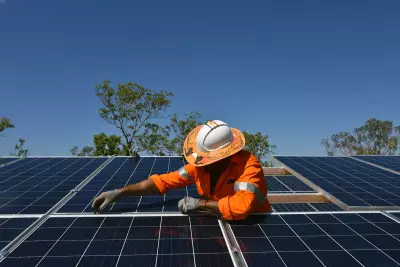
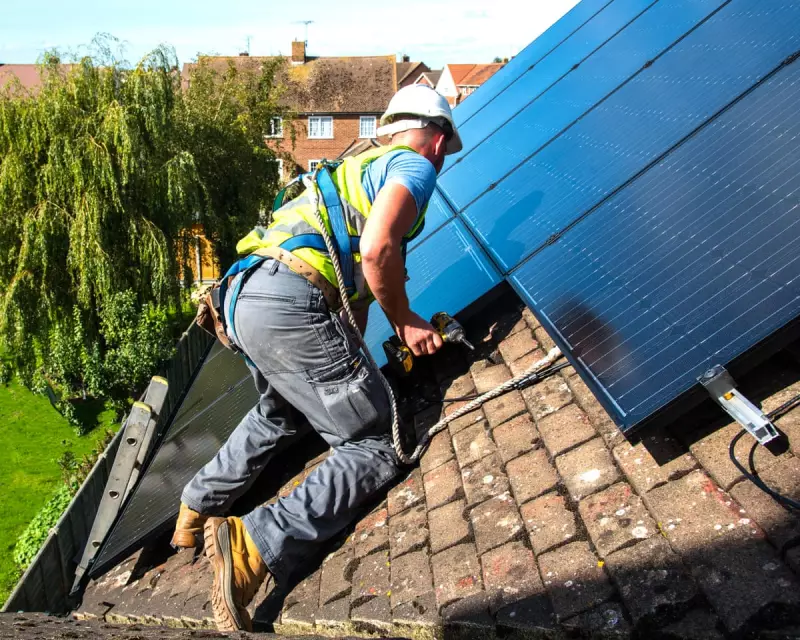
The funding breakdown includes approximately £5bn in grants targeted specifically at people on low incomes, enabling them to access solar panels and battery storage systems. Additionally, £2bn will be available as consumer loans for those who can afford to invest in upgrades, while £2.7bn is allocated for "innovative finance" options. These could encompass schemes like green mortgages, where homeowners receive lower interest rates for making energy-efficient improvements.

Shifting Away from Insulation as the Prime Objective
While insulation will still have a place within the overall £17.5bn budget—which comprises £15bn in public funding through the warm homes plan and about £2.5bn already spent via the energy company obligation (ECO) scheme—it is no longer the central focus. This represents a notable departure from previous policies that often tied subsidies for low-carbon technologies like heat pumps to extensive, and often costly, insulation work.
Historically, the requirement for maximum insulation before accessing heat pump subsidies added up to £10,000 in extra costs, along with being time-consuming and disruptive for households. By scrapping the ECO scheme, which was funded through additions to energy bills in Great Britain, ministers have gained greater flexibility in what can be financed, while also providing an immediate reduction in bills for consumers.
Carrot Without the Stick: The Consumer Choice Approach
The warm homes plan is being framed as an entirely voluntary, incentive-based initiative—described as "all carrot and no stick." The underlying belief is that once people realise that switching to low-carbon technology can save them money, they will eagerly participate. Notably, the longstanding proposal to ban gas boilers beyond 2035, which originated under the previous government, has been quietly abandoned.
This move is seen as an effort to avoid providing political ammunition for opponents like Reform UK and the Conservatives, who have capitalised on headlines about forced boiler replacements. However, this appeasement comes with potential drawbacks. The UK has an estimated 120,000 domestic gas engineers and plumbers, often referred to as "boiler slingers," who are deeply entrenched in installing gas boilers—a highly lucrative business. These small firms have shown little interest in transitioning to heat pumps, which require more meticulous installation over several days, compared to the single day typically needed for gas boiler replacements.
Industry Challenges and Future Implications
To address this, some funding will be made available for retraining, and £90m is earmarked to encourage manufacturers to expand heat pump production within the UK. Despite these measures, convincing a workforce wedded to the status quo may prove challenging. Jess Ralston, head of energy at the Energy and Climate Intelligence Unit thinktank, warned that while carrots are preferred now, a stick might eventually be necessary to ensure energy independence as North Sea gas supplies dwindle.
Garry Felgate, chief executive of the MCS Foundation, which campaigns for a carbon-free future, has called for the reinstatement of the proposed gas boiler ban. He argues that without a clear phaseout date, such as 2035, boilers will continue burning fossil fuels long after 2050, undermining legally binding climate targets. Polling suggests that a 2035 phaseout could be popular and would provide certainty for both industry and households making informed decisions about their heating systems.

Overall, Labour's warm homes plan represents a bold attempt to revitalise home upgrades by focusing on consumer-friendly green technology, though it raises questions about long-term effectiveness without stricter regulatory measures.