For residents in the path of the devastating Harcourt bushfire in Victoria, the moment of realisation arrived with terrifying speed. What began as a distant threat on 9 January 2026 rapidly transformed into an imminent danger, forcing people to make split-second decisions about what to save from their homes.
The Moment Everything Changed
The Ravenswood-Harcourt fire ignited under catastrophic conditions, ultimately destroying 48 homes in the area and contributing to a statewide toll of 289 houses lost since 7 January. For Louise Cook-Tonkin, the reality hit as she tried to toast bread outside her North Castlemaine home during a 42C heatwave, the power already cut. Looking up, she saw a spot fire plume just a kilometre away.
Nearby in Harcourt, Katherine Seppings made her decision to flee upon seeing her neighbour's Australian flag whipping violently in shifting winds—a dire sign the fire was about to swing through the town. "Internet was gone, phone was gone, electricity was gone and my neighbours were gone," Seppings recalls, describing a profound sense of terror.

Packing Under Pressure: What Made the Cut?
Guardian Australia spoke to six residents about the chaotic process of deciding what to take. Their experiences reveal a common thread: advanced preparation is crucial, as rational thought evaporates under imminent threat.
Louise Cook-Tonkin and her husband Bernie had a long-standing plan. Photographs stayed by the door all summer, with important documents in one folder. They added paintings, carpentry tools, and hiking gear. Yet, she now realises the need to pack for a longer absence, as authorities warn against quick returns due to hazardous, burning trees. A battery-powered radio is now on her list, after mobile networks failed.
Zoë Condliffe's experience underscores the chaos of last-minute packing. After her fire app failed, she found herself panicking, grabbing a mix of passport, toiletries, her mother's vintage top, a ballgown, her partner's vintage Telecaster guitar, and special dietary food. "The reason you pack well in advance is because when things get more urgent you can't think straight," she admits.
Practical Preparations and Sentimental Salvage
For some, preparation involved hard, practical work. Gus Read-Hill and Ash Tanner, south of Castlemaine, spent the day before cleaning gutters and even cutting down a favourite tree that touched their house. "You feel a bit silly because you don't think it will ever happen to you," Read-Hill says. When the 'leave now' alert came, they evacuated with his home recording studio, items from his late father, an electric chainsaw for blocked roads, and their two chickens in cat carriers.
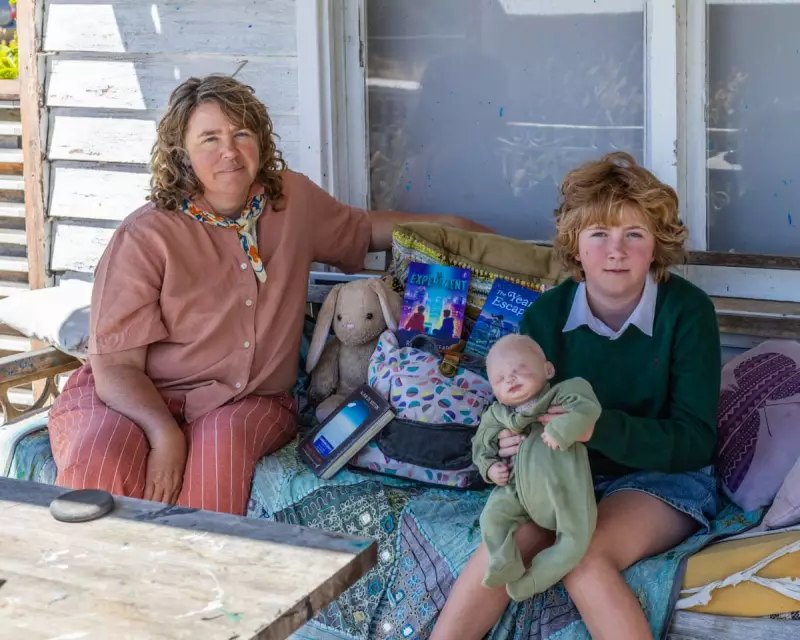
For Sam Downing in Elphinstone, the focus was on digital and sentimental items: computer back-ups, hard drives, medications, passports, and her daughter Romy's favourite toys. "We just said, 'What do we have that's really irreplaceable?'" Downing explains.
Katherine Seppings, paralysed by indecision as the fire front approached, grabbed a seemingly random assortment: underwear, T-shirts, jewellery, a wool blanket, a hard drive, and her grandfather's World War I and II identity tags. A counsellor later explained she was in survival mode, where higher brain function shuts down.
The Ultimate Priority: Family First
For CFA volunteer Mitch Nivalis, whose partner is heavily pregnant, the choice was starkly simple. They adhered to the CFA guide and left for Melbourne the day before the fire, prioritising safety above all. "I don't care about anything material, I just want to make sure we're safe," Nivalis states, echoing the crucial advice given to firefighters: put family first to avoid tragic, last-minute decisions.
With the Country Fire Authority warning that Victoria's peak fire danger typically comes in February, these personal accounts from Harcourt serve as a powerful reminder. The essentials are vital, but so is preparing your mind—and your home—for the moment when a plan must become action.