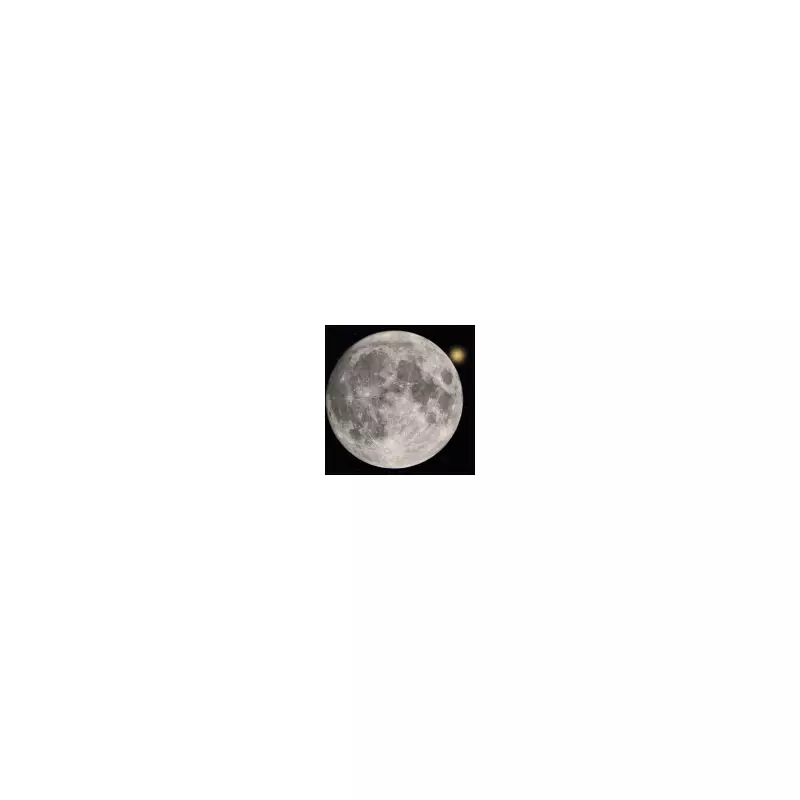
Stargazers across the UK are in for a celestial treat this weekend as the first full moon of 2026, traditionally known as the Wolf Moon, prepares to make its dramatic appearance. This lunar event is particularly special as it marks the fourth consecutive supermoon, following those in October, November, and December of last year.
What is the Wolf Moon and when can you see it?
The Wolf Moon will officially reach its fullest phase at 10:03 am GMT on Saturday, January 3. However, the most impressive views will come later in the day during evening moonrise, when the moon sits low on the horizon, appearing larger due to an optical illusion.
Visibility will, of course, depend heavily on the weather, but clear skies could offer a spectacular sight. The timings for moonrise vary across the country:

- London and Belfast: 3:48 pm
- Swansea: 4:03 pm
- Aberdeen: 3:06 pm
The moon will be visible in the eastern sky after rising, climbing higher and moving towards the south as midnight approaches. This event illuminates the Moon's Earth-facing side completely, with sunlight reflecting back to create the brilliant disc we see.
The story behind the name and a rare blue moon year
According to the Old Farmer's Almanac, the name 'Wolf Moon' is believed to originate from Native American traditions, linked to the sound of wolves howling in hunger during the deep winter. While wolves are not a feature of the modern UK landscape, the evocative name endures. This full moon also carries other names like Stay Home Moon and Quiet Moon, reflecting the long, cold nights.
Interestingly, 2026 will be a year with 13 full moons instead of the usual 12. This is because the month of May will host two full moons. The extra full moon in a season is commonly called a 'Blue Moon', an event that occurs roughly once every two and a half years. This quirk of the calendar happens because lunar cycles are about 29.5 days long, while most of our calendar months are longer.
Top tips for moon gazing and future full moons
To get the best view of the Wolf Moon supermoon, a little preparation will help. Find a dark location away from city light pollution, dress very warmly for the January cold, and be patient if clouds drift across. Stargazing apps like Night Sky or Stellarium can also help you navigate the evening sky.
If you miss this event, the next full moon won't appear this large and bright until November. The next full moon on the calendar is the Snow Moon on February 1, followed by the Worm Moon in March and the Pink Moon in April. Each full moon's apparent size changes slightly due to the Moon's elliptical orbit around Earth; when it's closer, we see a supermoon, as is the case with this weekend's Wolf Moon.