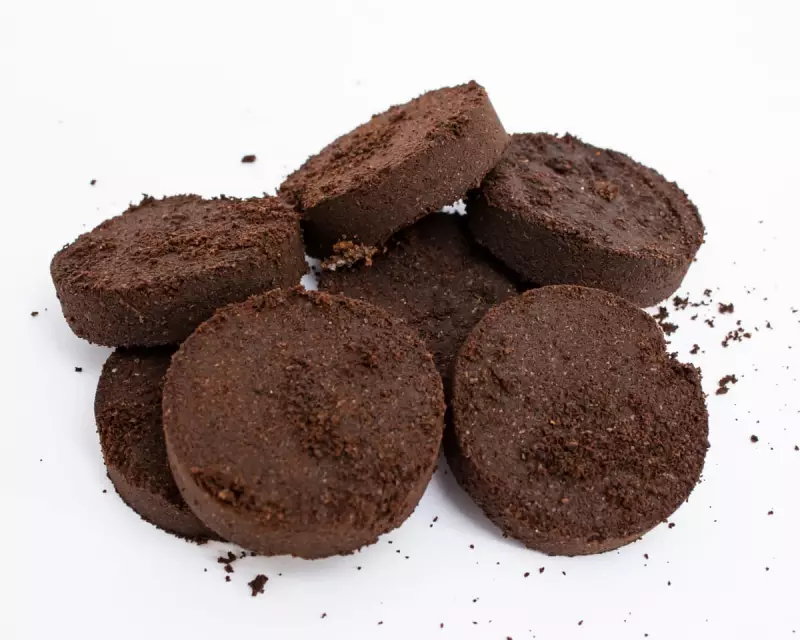
For many UK coffee lovers, the daily ritual leaves behind a pile of used grounds. The question of whether this common kitchen waste can be repurposed to nourish houseplants is a popular one, promising a neat circle of sustainability. While the internet is full of claims about their benefits, the reality for your indoor garden is more nuanced.
The Promise and Peril of a Coffee Grounds Hack
The theory is compelling. Used coffee grounds contain nitrogen and organic matter, which in principle could act as a natural, slow-release fertiliser. Some also suggest they can help deter certain pests. This creates an attractive prospect: turning waste from your morning brew into food for your greenery. However, applying them directly from cafetiere to pot is where many plant enthusiasts go wrong.
The key issue is that used coffee grounds are dense and can form a water-resistant crust. When sprinkled thickly on top of soil in a pot, this layer can actually repel moisture and suffocate the plant's roots, doing more harm than good. Fresh, wet grounds are particularly problematic for indoor plants.

How to Use Coffee Grounds Correctly
To gain any potential benefit without the risk, moderation and method are crucial. Experts recommend treating coffee grounds as a soil additive rather than a standalone fertiliser. A safe approach is to mix small amounts into your compost blend, ensuring they constitute no more than 10% of the total volume.
For those with outdoor space, the best destination for your grounds is the compost heap. Here, worms and microorganisms can break them down effectively, neutralising acidity and integrating their nutrients into rich, usable compost for later use.
Putting the Hack to the Test
In a practical trial, a few tablespoons of dried coffee grounds were mixed into the soil of a spider plant. While no dramatic growth spurts or visible damage occurred, a clear problem emerged during watering. The soil became compacted, causing water to pool on the surface instead of draining through—a sign of the potential for root rot and poor aeration.
The verdict is clear: coffee grounds are excellent for composting but can be risky when used directly in pots. Used sparingly and mixed thoroughly into the soil, they may contribute organic matter. On their own, however, they are more likely to smother your plants than supercharge them.
For houseplant owners, it's a hack that requires careful application. The sustainable dream of recycling coffee waste is achievable, but it's best realised through the compost bin, not the plant pot.