Bee Expert Unveils Simple Steps to Turn Your Garden into a Buzzing Haven
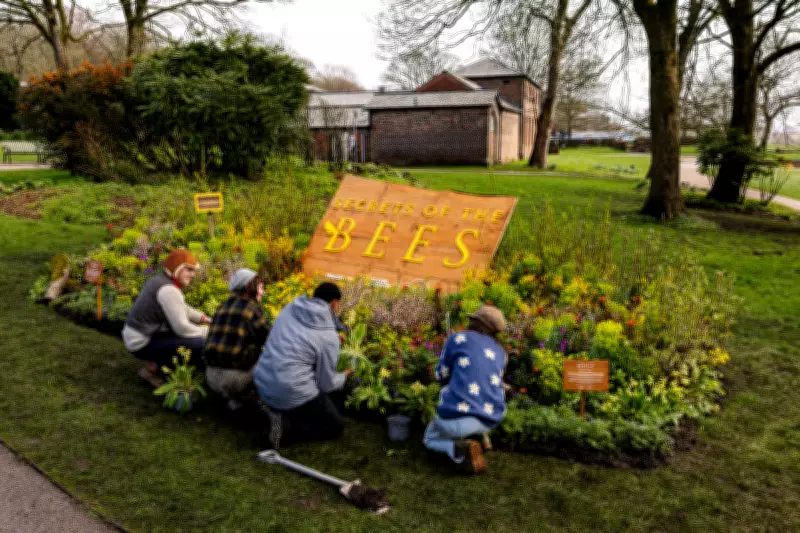
Biologist and bee specialist Dr Rosa Vásquez Espinoza has revealed her top recommendations for converting gardens into thriving sanctuaries for pollinators, with advice that includes welcoming weeds and planting wildflowers. Speaking in Manchester, where she contributed to a large-scale bee-friendly flowerbed installation at Heaton Park, one of the UK's largest public parks, Dr Espinoza emphasized that even minor adjustments can have an immediate positive impact on bee populations.
Embrace Natural Growth and Diverse Planting
Dr Espinoza advises gardeners to allow their outdoor spaces to grow a bit wilder, as bees benefit from diverse, less manicured environments. She highlights that weeds such as dandelions are crucial food sources, especially in early spring when resources are scarce. Additionally, selecting plants that bloom from early spring through late autumn ensures a continuous supply of nectar and pollen, supporting bees throughout the year.
Create Essential Resources for Bees
Another key suggestion is to leave sections of the garden uncovered rather than paved, as many bee species nest in exposed soil. Providing hydration stations, such as shallow bowls filled with rocks and water, offers bees safe spots to drink and recover. Dr Espinoza strongly recommends avoiding chemicals like fertilisers, pesticides, and insecticides, which can harm or disorient bees, disrupting their vital role in ecosystems.

National Geographic Study Highlights Gardening Trends
To complement this expert guidance, National Geographic commissioned a survey of 2,000 adults with gardens. The study found that 32% prioritise low-maintenance outdoor spaces, compared to only 17% who focus on making them wildlife-friendly. However, there is a growing appetite for change: 52% would consider planting more nectar-rich flowers, and 36% are open to reducing pesticide use. While 65% plant flowers that bloom at different times, just 13% have installed bee hotels, indicating room for improvement in supporting pollinators.
Heaton Park Installation and Broader Impact
The bee-friendly flowerbed at Heaton Park features 13 carefully selected plant varieties, including Primroses and Lungwort, designed to provide rich sources of nectar and pollen. This installation, created to mark the launch of the new National Geographic WILD series Secrets of the Bees, premiering on April 1st, serves as a model for inspiring Brits to adopt similar practices at home. Dr Espinoza notes that bees play an indispensable role in food systems, and small actions like leaving areas to grow naturally can make a significant difference in protecting these essential species.