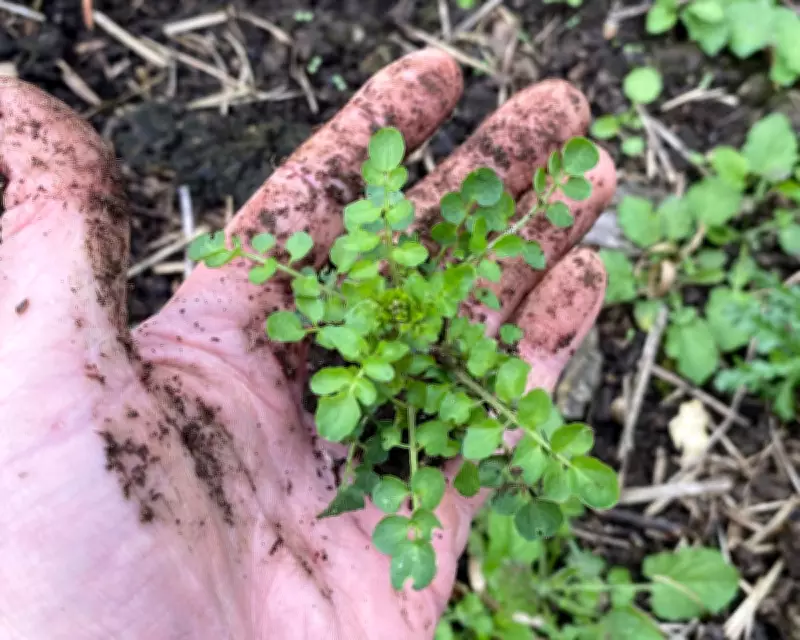
As March arrives, traditional gardeners often focus on eradicating weeds from their vegetable plots to prepare for spring sowing. However, a glance at an unkept patch reveals a vibrant mosaic of greens obscuring the dark soil, hinting at a different approach. Many of these so-called weeds are not just disposable nuisances but edible treasures that can transform from garden pests into bonus crops.
Shifting Perspectives on Garden Weeds
For foragers, edible weeds conveniently span the "hungry gap," the period between winter vegetables finishing and spring crops being ready for harvest. It is crucial to exercise caution with identification; if in doubt, leave the plant alone. Changing our perspective on these plants is not helped by their common names, which often sound unappealing.
Hairy Bittercress: A Tangy Addition
Hairy bittercress, despite its uninviting name, is an incredibly useful edible plant. With its rapid lifecycle and propensity for freshly disturbed soil, it is almost ubiquitous in gardens. When picked young, it makes a refreshing, tangy addition to salads or an egg mayo sandwich, offering a burst of flavor that belies its reputation.

Stinging Nettles: A Gourmet Revenge
Stinging nettles do little to help their image, having left their mark on many as bare-legged children. As adults, we can wreak revenge by consuming this gourmet plant in huge quantities. While harvesting, "grasping the nettle" can help reduce stings, but for a pain-free experience, it is best to use gloves and scissors to gather the growing tips and young leaves. Boiled or steamed nettles are often described as a substitute for spinach, though they far exceed it in flavor, texture, and nutrition.
Chickweed and Fat Hen: Easy Sells
The more gently named chickweed tends to be an easier sell, needing little promotion once its crisp, pea-shoot-like qualities are experienced. Fat hen is another delicious interloper, adding variety to foraged meals. Let us not forget the humble dandelion, which, despite its mild diuretic qualities, does not deserve its reputation as "pissenlit" and is celebrated as a salad leaf throughout Europe.
The Joy of Foraging and Gardening
Today, as gardeners clear ground and sow radish, spreading pinches of purple-brown seed into shallow furrows, they savor the novel tingle of unveiled sun on bare necks. The pleasure is tinged with impatience—the curse of all impassioned growers—but solace can be found in a brimming basket of prime "weeds" beside them. This approach not only enriches the kitchen but also fosters a deeper connection with the natural world.