

England's Coastal Path Becomes World's Longest at 2,700 Miles
England has officially unveiled the world's longest coastal path, a monumental 2,700-mile trail that winds along the entire English coastline. The King Charles III England Coast Path National Trail, inaugurated by the monarch himself, represents nearly two decades of planning and development since its conception during Gordon Brown's government.
Path Features and Current Accessibility
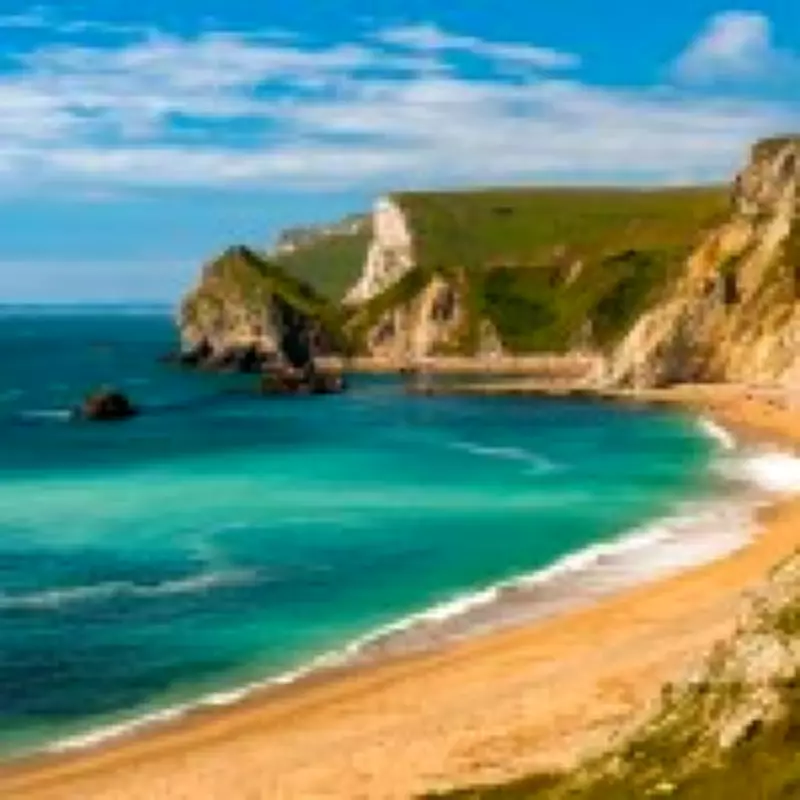
While the complete trail stretches an impressive 2,700 miles, approximately 80% is currently open to the public. The path showcases England's most iconic coastal landmarks, including the dramatic Seven Sisters cliffs and the unique pebble beach at Chesil Beach. More than 1,000 miles of fresh pathway have been installed, with numerous upgrades such as additional stiles and bridges to enhance accessibility for all walkers.
The trail's London connection begins in Woolwich along the Thames Estuary, extending southward to Brighton. Walkers can expect to encounter Roman archaeological sites, the famous White Cliffs of Dover, and historic structures like the old lighthouse in Shoreham Harbour.

Environmental Impact and Nature Reserves
A significant environmental benefit of the coastal path project involves the creation of 25 new national nature reserves by 2028. Thirteen reserves have already opened, including the expansive 65-square-mile Seven Sisters section, where King Charles walked 2 kilometers during the official opening ceremony.
Natural England Chairman Tony Juniper emphasized the ecological importance of the East Sussex stretch, stating: 'This remarkable nature-rich landscape formed over millions of years and today is home to a vast array of wildlife, including special plants, insects and birds. The Seven Sisters National Nature Reserve creates a bigger, better and more joined-up space for nature and paves the way for nature's protection and recovery across more than 1,500 hectares in this iconic part of England.'
Regional Sections and Economic Benefits
The South West section currently operates between Penzance and Cremyll, passing through scenic locations like Nare Head, Looe, and Seaton. This follows last year's opening of the eight-mile Birkenhead stretch, which extends to the Welsh border through the North Wirral Coastal Park, Liverpool's historic docks, and New Brighton.
Gerry Rusbridge, senior advisor for Natural England in the North West, highlighted the trail's economic advantages: 'The path has made it easier for locals and visitors alike to witness the North West and Welsh coastlines. The trail will also support the local economy – bringing walkers and visitors to the towns and villages for daytrips, refreshments and places to stay.'
London's Alternative Walking Options
For those seeking shorter urban walks, London offers numerous 'mega walk' alternatives. The Wandle Trail extends approximately 12.5 miles from Waddon in Croydon to the Thames at Wandsworth, featuring peaceful parks and historic sites including Morden Hall Park and Merton Abbey Mills.
Another popular urban challenge involves walking the entire above-ground route of the Victoria Line, stopping at each Tube station along the way – a trend that has gained significant traction on social media platforms like TikTok. For riverside enthusiasts, the Wandsworth Bridge, Putney and Barnes Circular provides five to six miles of mostly flat terrain with scenic views.
The King Charles III England Coast Path National Trail represents not only a recreational achievement but also a significant commitment to environmental conservation and regional economic development, establishing England as home to the world's premier coastal walking experience.






