Houseplant Hacks: The Reality Behind Oats and Epsom Salts
Social media is awash with quick fixes for reviving tired houseplants, but one popular hack involving oats and Epsom salts promises a wholesome, thrifty solution. The idea is simple: combine these kitchen staples to create a natural fertiliser. However, a hands-on test reveals a different story, one of mould, pests, and disappointment rather than lush growth.
The Allure of the Hack
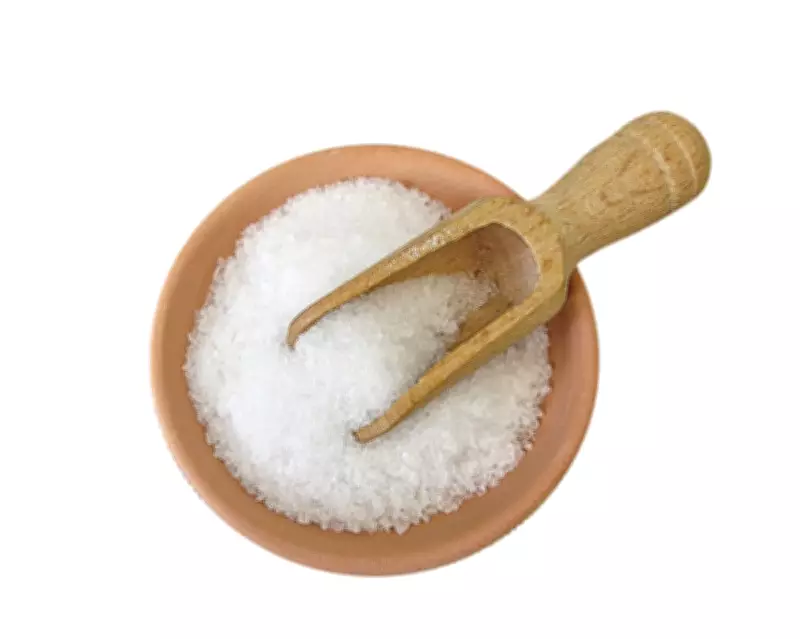
Once you dive into the world of online houseplant care, everyday items like oats and Epsom salts start to look like potential plant boosters. The hack suggests that oats break down to enrich the soil, while Epsom salts, which are magnesium sulphate, provide magnesium to keep leaves green and glossy. Social media posts claim that just a spoonful of each can pep up weary plants without the need for commercial fertilisers, making it an appealing option for budget-conscious gardeners.
How the Hack Is Supposed to Work
The method involves unpoting your plant and mixing the old soil with one to two tablespoons of dry oats, a sprinkle of Epsom salts, and a bit of fresh compost. After blending these ingredients, you repot the plant, firm the soil around the roots, and water it in. On paper, it sounds straightforward and eco-friendly, but does it deliver results?

Putting the Hack to the Test
To find out, we conducted a controlled experiment. One plant was treated with the oats and Epsom salts mixture, while its twin received standard liquid fertiliser. Within a few weeks, the differences were stark. The pot with the "breakfast" treatment developed a fuzzy white film on the soil surface, emitted a sour, off-putting smell, and attracted fungus gnats. Growth was not improved; instead, the plant's environment became messier and less healthy.
The Verdict: Why This Hack Falls Short
Oats, it turns out, tend to rot before they can benefit the soil, encouraging mould growth, attracting pests like gnats, and producing unpleasant odours. Epsom salts can be useful in specific cases where a magnesium deficiency is diagnosed, but adding them "just in case" risks salt buildup in the soil, which can disrupt nutrient balance and harm plant health. For those looking to care for their houseplants effectively, sticking to peat-free compost and a balanced liquid fertiliser is a safer bet. It's best to leave TikTok-inspired "soil superfoods" in the kitchen cupboard where they belong.
Broader Implications for Plant Care
This test highlights a common issue in the digital age: the spread of unverified gardening advice on social media. While hacks can seem innovative, they often lack scientific backing and can do more harm than good. Gardeners are encouraged to rely on proven methods and consult reliable sources before trying new techniques. After all, healthy plants thrive on consistency and proper nutrition, not viral trends.