Turning Gardening Failures into Surprising Successes
Many British gardeners have experienced disappointing growing seasons this year, but there's an unexpected silver lining emerging from the vegetable patches across the country. When life, work and unpredictable weather conspire against our gardening ambitions, nature often provides its own solutions in the form of volunteer crops - plants that appear spontaneously where we never planned for them to grow.
The Unexpected Bounty of Unplanned Plants
One gardener's experience perfectly illustrates this phenomenon. Despite what they describe as a "rubbish growing season" with poor germination and neglected plants, their garden became filled with life through these unexpected arrivals. The secret lies in embracing rather than fighting these natural occurrences, following the Buddhist principle that while pain might be inevitable, suffering remains optional.
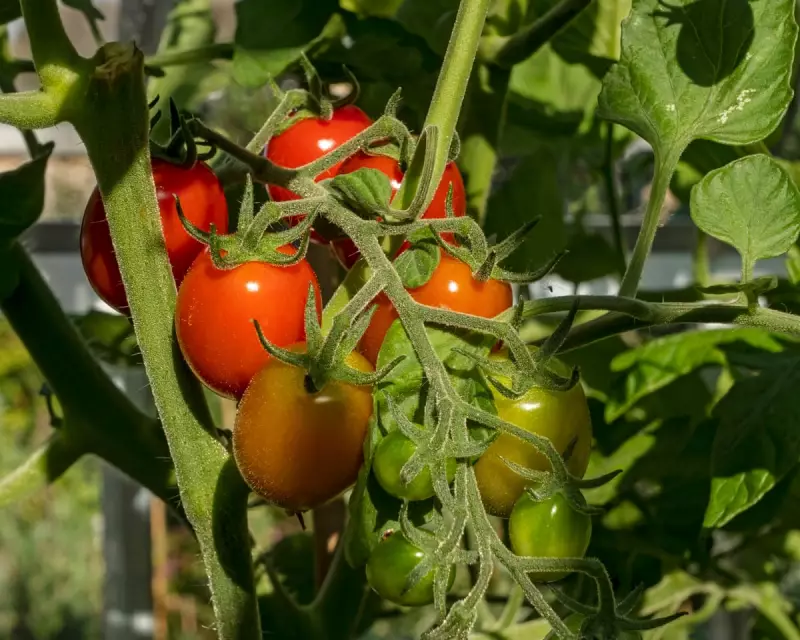
The most prolific volunteer this year has been the tomato plant, easily identified by its distinctive purple-hued, fuzzy stems. Although many grew into scrawny plants, they still produced enough cherry tomatoes to make their presence worthwhile. This demonstrates how even less-than-perfect volunteer plants can contribute to the garden's productivity.

Squash and Raspberries: Nature's Bonus Crops
Beyond tomatoes, squash plants appeared throughout the vegetable patch in significant numbers. While experienced gardeners might normally remove these due to concerns about cross-pollination creating bitter or unusually shaped fruit, there are compelling reasons to let them stay. Their flowers provide essential nourishment for pollinators, which in turn improves pollination success for intentionally planted squash varieties.
Perhaps the most welcome surprise came from raspberry canes, representing the next generation of plants originally established three years ago. These had spread so successfully that they escaped their original perennial bed. The mixture of summer and autumn fruiting varieties meant some produced fruit this year, while others can be transplanted to repopulate dedicated raspberry beds before winter arrives.
Beyond Vegetables: A Richer Garden Ecosystem
This unconventional approach to gardening has yielded benefits beyond food production. By embracing what nature provides and "letting things be", the garden has attracted species previously unseen in the space. The gardener reports sightings of grasshoppers creating a cacophony, a stunningly gilded slow worm, and ground bees establishing a nest within a patch of marjoram.
This demonstrates how volunteer crops contribute to biodiversity, creating habitats and food sources for various creatures. What might have been written off as a failed season instead became a testament to nature's resilience and capacity for surprise when given even a small amount of freedom.
The experience serves as a valuable lesson for all gardeners: sometimes the best approach involves working with nature rather than against it, and being open to the unexpected gifts our gardens offer us, especially during challenging growing years.