Judi Dench Urges Action to Protect London's Green Spaces from Development
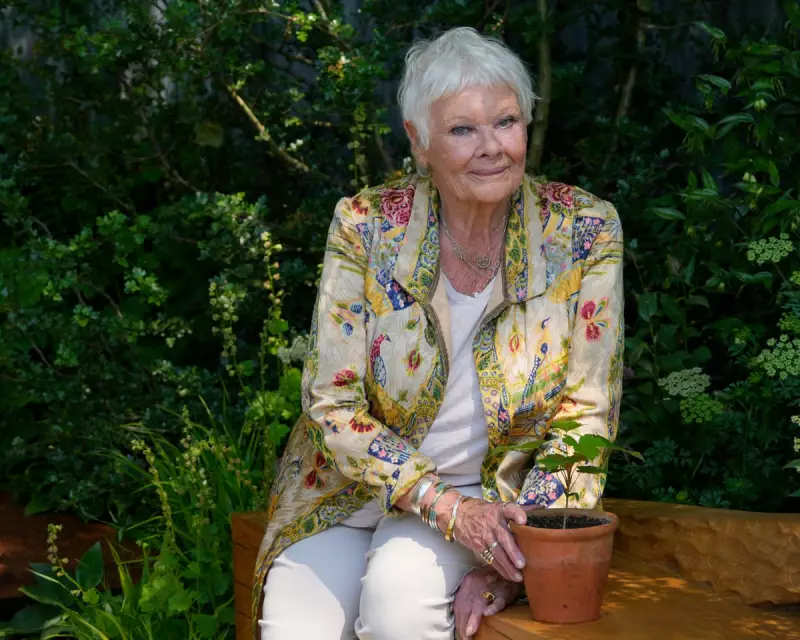
Acclaimed actor Dame Judi Dench has made a passionate plea for the protection of London's parks and green spaces, warning that urgent action is needed to prevent their loss to private development. Her intervention comes as new research highlights the significant threats facing the capital's public land.
A Personal Connection to Nature
Dench, who has long been known for her deep affection for trees and natural spaces, has incorporated this passion into her personal life in meaningful ways. Following the deaths of close friends and family members, including her husband Michael Williams in 2001, actor Natasha Richardson in 2009, and her brother Jeffery Dench in 2014, she has planted trees as living memorials. "I think of my trees as part of my extended family," she has said. "It's something living that goes on. You don't remember them and stop; you remember them and the memory goes on and gets more wonderful." This personal philosophy underscores her commitment to environmental preservation.
Alarming Research Findings
Recent research conducted by CPRE London has uncovered disturbing trends regarding the vulnerability of London's green spaces. The study identifies at least:

- Nine parks at risk
- Eight playing fields under threat
- Eight nature reserves facing development pressure
Among the specific sites highlighted are Whitewebbs Park in Enfield, Wimbledon Park, and Green Dale Fields in Southwark. While campaigners successfully saved six green spaces last year, including pitches at Finsbury leisure centre in Islington, seven others were lost to development, such as Crossness nature reserve in Bexley.
Specific Threats to London's Green Spaces
Dench pointed to several concerning developments, noting that "staggeringly, 10% of public land in Britain has been lost since 1979." She highlighted Whitewebbs Park in Enfield as a particularly troubling case, where a 450-year-old oak tree was recently felled and Tottenham Hotspur Football Club's development plans involve removing 207 trees and converting most of the park for private use.
The situation at Wimbledon Park has also drawn significant attention, with the All England Lawn Tennis Club proposing to build a new stadium, 10 private buildings, and 38 tennis courts on previously public land, sparking ongoing disputes.
Broader Policy Concerns
Alice Roberts, head of campaigns at CPRE London, identified two major challenges facing green space protection. First, a legal judgment has confirmed that councils possess "unfettered powers to sell parks," while many parks are being transformed into commercial event spaces. Second, the government's introduction of a "grey belt" policy has removed protections from some green belt land, allowing development despite the availability of brownfield sites in London that could accommodate approximately 300,000 homes with existing planning permission.
Dench emphasized the urgency of the situation, stating: "It is clear to me that it is more important than ever to protect our parks and green spaces before it's too late." She is supporting a local campaign group that has initiated a judicial review against Enfield Council's decision to lease part of Whitewebbs Park, demonstrating her active involvement in the fight to preserve London's natural heritage.