Final Allotments in Teddington to Become Cemetery Despite Community Opposition
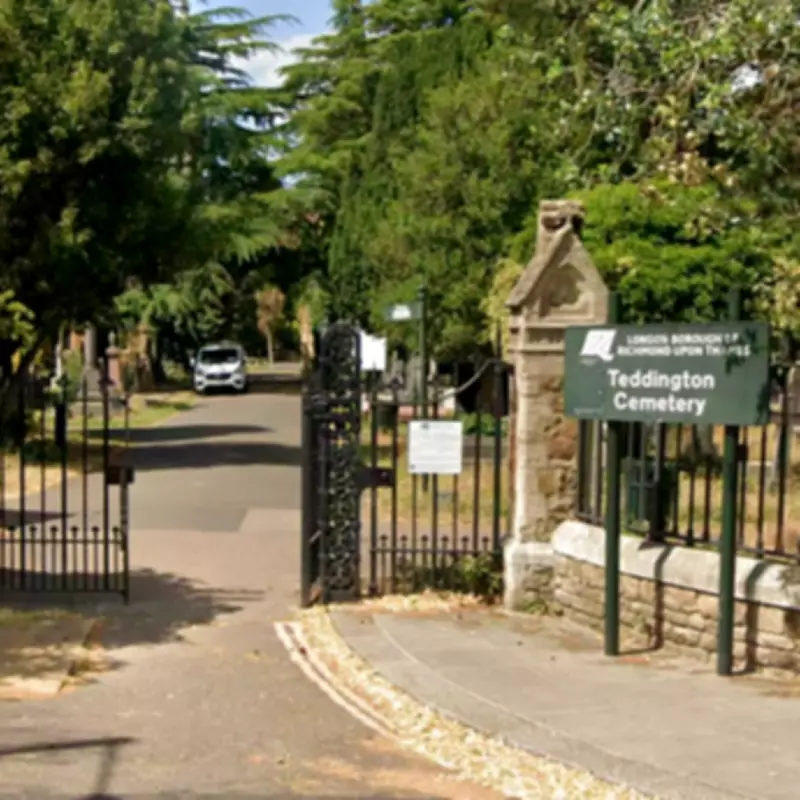
Richmond Council has definitively rejected a petition signed by nearly 1,700 residents, moving forward with plans to convert the last remaining allotments in Teddington into an extension of the local cemetery. This decision comes despite fierce local opposition and concerns about losing vital green space in the South West London neighborhood.
Petition Fails to Halt Cemetery Expansion Plans
The petition, which garnered 1,697 signatures, urged the council to reconsider the approved December plans that would see Shacklegate Lane allotments transformed into burial plots. Residents argued that while acknowledging the need for additional burial spaces, converting allotment land represents only a short-term solution to a long-term problem.
Jane Cowling, who presented the petition to the council's Environment Committee, emphasized that residents believe "the needs of the living community, rather than the dead, should be given greater weight." She proposed that if the council insisted on proceeding, it should preserve a meaningful portion of the allotments while developing a comprehensive, sustainable burial strategy.

Historical Context and Changing Priorities
Although planning permission for the cemetery extension was initially granted in 1993, the council only approved urgent implementation of these plans in December 2025. Campaigners argue that societal priorities have shifted dramatically since the original decision, with increased emphasis on sustainability, access to green spaces, mental and physical wellbeing, and locally-grown food.
Candace Taylor from the Shacklegate Lane Allotment Association expressed disappointment, stating that none of the residents she spoke with wanted to see the allotments lost. She noted particular frustration with the Liberal Democrat council's decision, given their stated commitment to sustainability.
Council's Position and Practical Considerations
Council officers presented a stark reality: Teddington has exhausted its burial space, with the final plot recently sold. They emphasized the urgent need to provide new burial plots while investigating long-term solutions, including the potential reuse of existing burial plots to maximize space.
Matthew Eady, the council's Director of Culture and Leisure, acknowledged the community's attachment to the allotments while stressing the necessity of ensuring sufficient burial spaces. He confirmed that allotment holders would be offered alternative spaces within the borough.
Political Responses and Environmental Concerns
Green councillor Caroline Wren highlighted the changed circumstances since 1993, particularly the declaration of a climate emergency. She advocated for sustainable cemetery management that doesn't consume fresh land, suggesting this as the ultimate long-term approach for the borough.
Liberal Democrat councillor Julia Neden-Watts defended the decision, noting that officers determined partial works would not be "safe, convenient or appropriate." She reminded residents that the allotments were provided on a temporary basis and that plot holders had been aware of this arrangement.
Project Details and Community Impact
The cemetery extension is projected to provide approximately 616 new burial spaces, expected to meet demand for around 30 years. As a partial mitigation measure, planters will be installed adjacent to the new plots for community growing spaces.
This decision represents a significant loss of green space for Teddington residents, who have consistently voiced their opposition through the petition and public comments. The council maintains that the urgent need for burial spaces outweighs preservation of the allotments, despite community arguments for more innovative, sustainable solutions to the borough's burial space shortage.