For any indoor gardener, the sight of pests crawling over a beloved houseplant can be a heart-sinking moment. Faced with an infestation, many turn to the internet for a quick, cheap fix, where one piece of advice reigns supreme: using diluted washing-up liquid as a homemade pesticide. But does this common kitchen staple truly work, and is it safe for your plants?
The Science Behind the Soapy Solution
The theory behind this popular hack is straightforward. A solution of mild detergent and water is believed to break down the protective waxy coating on soft-bodied insects like aphids, spider mites, and thrips. This process leads to rapid dehydration, effectively killing the pests on contact without resorting to harsh commercial chemicals. It's an appealing prospect for those seeking a gentle, immediately available remedy.
However, it's crucial to remember that household washing-up liquids are formulated for dishes, not for delicate plant foliage. Using the wrong type—particularly those with strong fragrances, degreasers, or bleach—or applying it too liberally can cause significant harm. Leaf burn or scorch is a real risk, and soap residue left on leaves can stress a plant more than the original pest problem.

How to Apply the Treatment Safely
If you decide to try this method, precision and caution are key. Experts recommend a specific, gentle recipe: mix half a teaspoon of mild, fragrance-free washing-up liquid with 1.5 litres of water. Always shake the mixture gently to combine it.
Before spraying any affected plant, conducting a patch test is non-negotiable. Apply the solution to one or two leaves and wait 24 hours to check for any adverse reactions, such as yellowing or burning. If the plant tolerates it, you can proceed to lightly mist the infested areas, taking care to avoid drenching the entire plant.
A critical step is to rinse the plant thoroughly with clean water 10 to 15 minutes after application to remove any residual soap. Furthermore, timing is everything: always apply the spray on a dull day or during the evening. When combined with strong sunlight, soap droplets can act like magnifying glasses, leading to severe leaf scorch.
Real-World Results and Limitations
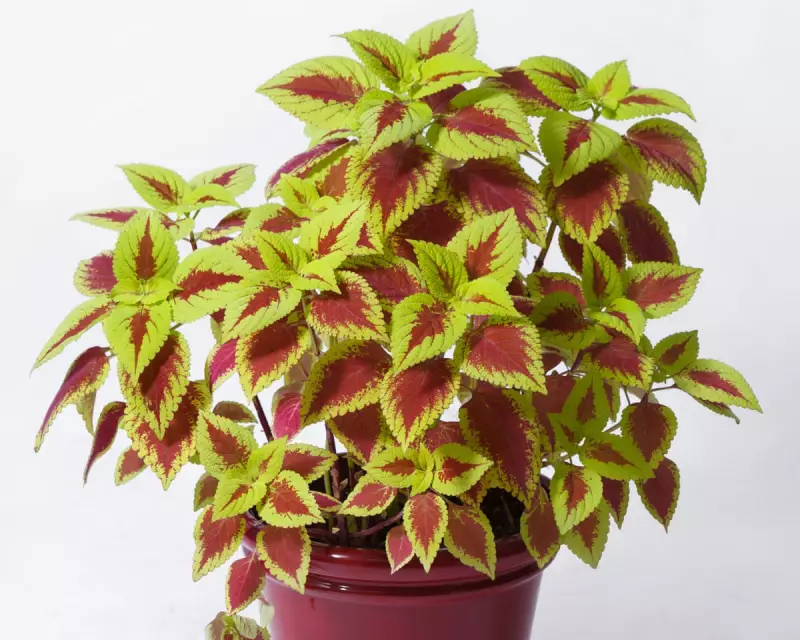
In practice, the effectiveness of washing-up liquid is mixed and depends entirely on the pest. A real-world test highlighted its selective power. While the solution failed to dislodge a stubborn mealybug infestation on a jade plant, it performed brilliantly on a nearby coleus plant that was plagued by aphids. The aphids were eliminated within days, and the plant suffered no damage from the treatment.
This underscores the verdict from gardening experts: a diluted washing-up liquid solution can act as an effective, gentle deterrent for soft-bodied pests. However, it is not a cure-all and will likely fail against tougher infestations like mealybugs or scale insects, which have more robust protective coatings.
For plant lovers, the message is clear. This DIY hack is a useful tool to have in your arsenal for early or mild outbreaks of certain pests. The golden rules are to use it sparingly, test it first, and apply it only when sunlight is low. For more serious invasions, seeking out a targeted, plant-safe insecticidal soap or other treatment may be necessary to save your green companions.