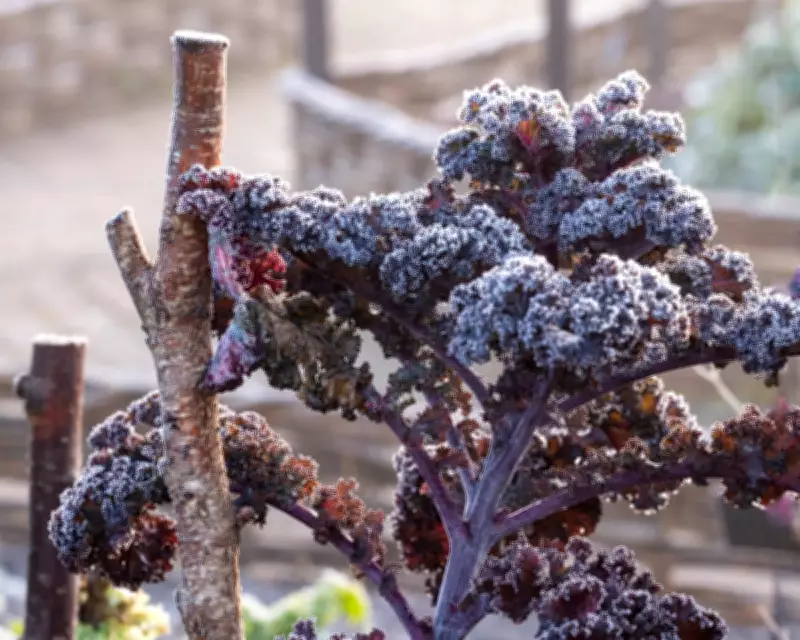
As January draws to a close, many gardeners eagerly anticipate the arrival of spring, longing for warmer days and vibrant blooms. However, it is important to remember that for numerous beloved plants and crops, a sustained period of cold weather is not just a hurdle to overcome but an essential component of their life cycle.
The Science of Vernalisation
During the winter months, when plant growth appears to stall, critical biological processes are quietly at work. For many cold-hardy species, exposure to low temperatures is a prerequisite for flowering in the spring, a phenomenon known as vernalisation. This natural mechanism ensures that plants time their reproductive phases optimally, aligning with favourable conditions.
Chill Requirements for Fruit Trees
The specific temperature thresholds and durations needed for vernalisation vary by species and even cultivar. In the United Kingdom, most outdoor fruit trees possess a "chill requirement." For instance, apple trees typically need between 700 and 1,000 hours below 6°C (43°F) but above freezing to set fruit effectively. Interestingly, plant breeders are now developing varieties with reduced chill needs, enabling apple cultivation in warmer climates beyond the UK's ideal conditions.

Garlic and Other Crops
Garlic is another crop that relies on vernalisation for optimal development. A cold spell below 6°C for approximately eight weeks prompts seed cloves to multiply, forming a bulb with multiple cloves. This explains why garlic is sown from early winter through January. In regions where temperatures do not drop sufficiently, gardeners can mimic this process by storing seed garlic in a refrigerator within a paper bag.
Seed Saving and Biennial Plants
For those engaged in seed saving, vernalisation plays a pivotal role in the lifecycle of biennial crops. Vegetables such as carrots, beetroot, and parsley produce vegetative growth in their first season, which is often harvested for consumption. To replenish seed stocks, these plants must survive the winter and enter spring, where vernalisation triggers flowering and subsequent seed production.
Flavour Enhancement Through Cold
Beyond promoting growth, cold exposure offers a delightful bonus for gardeners and eaters alike. Certain plants, including leeks, kale, carrots, beetroot, and turnips, convert starch into sugars as a defence mechanism against frost. This biochemical shift not only protects the plants but also enhances their sweetness and palatability, making winter-harvested vegetables particularly flavourful.
In summary, embracing the chill of winter is key to a successful garden. By understanding and supporting the vernalisation needs of crops, gardeners can ensure robust growth, abundant harvests, and superior taste in the seasons to come.