As the winter chill sets in and garden activity slows, a crucial task awaits the dedicated gardener. This dormant season presents the perfect opportunity to give your trusted tools the care they deserve. Proper maintenance now will ensure they are clean, sharp, and fully functional when spring arrives, saving you time, money, and frustration.
The Essential Winter Clean-Up for Your Tools
The first and most critical step is a thorough clean. Begin by removing all loose soil and debris from tools like spades, forks, and trowels using a stiff brush or a putty knife. For stubborn, caked-on mud, a soak in warm, soapy water can work wonders. Pay special attention to wooden handles; wipe them down with a damp cloth to remove grime and check for any splinters or cracks that may need sanding.
For cutting tools such as secateurs, loppers, and shears, a more meticulous approach is required. Disassemble them if possible, following the manufacturer's instructions. Clean the blades meticulously with a cloth and white spirit or a specialist tool cleaner to remove sticky sap and resin, which can cause corrosion and hinder performance.

Sharpening and Protecting for Peak Performance
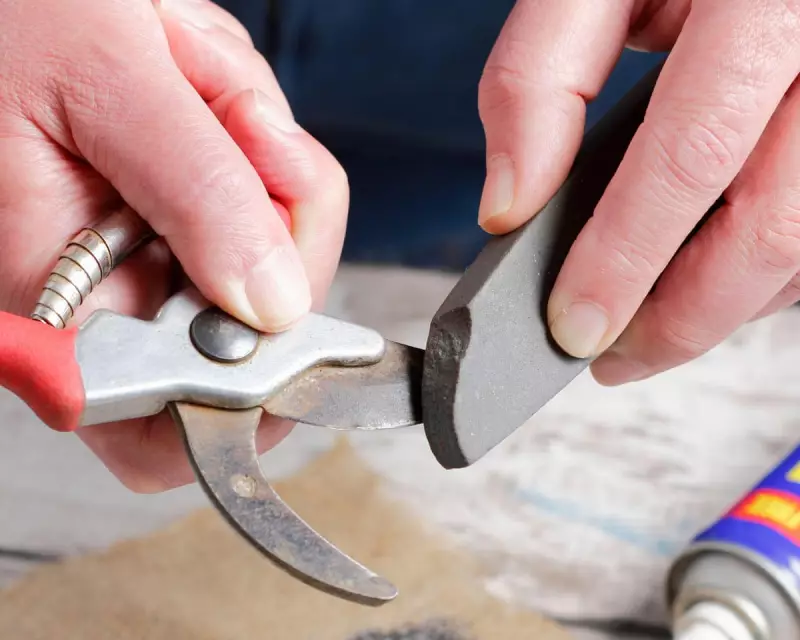
Once your tools are clean and dry, the next vital stage is sharpening. A sharp blade makes cleaner cuts, which are healthier for your plants and require less effort from you. Use a sharpening stone or a file, maintaining the original angle of the blade's bevel. Work in one direction only, from the base of the blade to the tip, and check your progress frequently.
After sharpening, it is essential to protect the metal from rust. Apply a light coating of oil—such as vegetable oil or a dedicated tool oil—to all metal surfaces. This creates a protective barrier against moisture during storage. Don't forget to lightly oil the moving parts of pruners and shears to keep the action smooth.
Smart Storage Solutions for the Off-Season
Where and how you store your tools through winter is just as important as cleaning them. Ensure all tools are completely dry before putting them away to prevent rust from forming. Hang them up if possible; this keeps blades off damp floors and prevents handles from warping. A simple rack in a shed or garage is ideal.
For an extra layer of protection, consider using a bucket of horticultural sand mixed with a little oil. Plunging metal blades into this mixture after use helps clean off soil and leaves a protective oily coating. Finally, take this quiet time to assess your toolkit. Check for any tools that are beyond repair and make a note of what might need replacing for the coming season, turning winter maintenance into proactive planning.
By dedicating a few hours to this winter ritual, you invest directly in the success of your garden. Well-maintained tools are safer, more effective, and last for years, making this seasonal task one of the most rewarding jobs on the gardener's calendar.