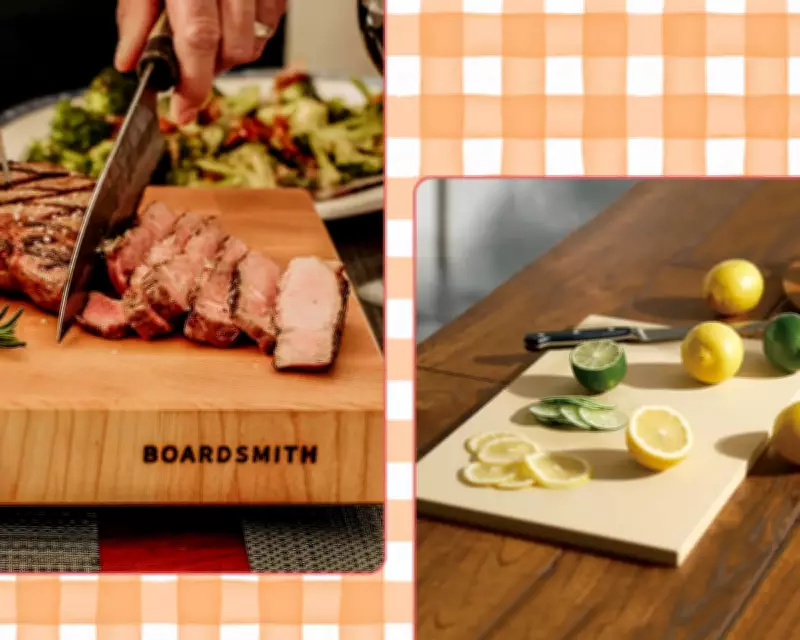
The Ultimate Guide to Plastic-Free Cutting Boards for Your Kitchen
In today's environmentally conscious world, many home cooks and professional chefs are seeking alternatives to traditional plastic cutting boards. Plastic boards, while durable and affordable, often contribute to microplastic pollution and can harbor bacteria in deep cuts. This comprehensive guide explores the best plastic-free options available, helping you make an informed choice for a healthier and more sustainable kitchen.
Why Choose Plastic-Free Cutting Boards?
Plastic cutting boards have long been popular due to their low cost and ease of maintenance. However, they come with significant drawbacks. Over time, plastic boards develop grooves from knife cuts, which can trap food particles and bacteria, posing hygiene risks. Moreover, these boards shed microplastics into food and the environment, contributing to pollution. Switching to plastic-free alternatives not only reduces your environmental footprint but also enhances food safety and kitchen aesthetics.
Top Plastic-Free Cutting Board Materials
Several materials offer excellent alternatives to plastic, each with unique benefits and considerations. Here are the most popular options:

- Bamboo Cutting Boards: Bamboo is a highly sustainable material, as it grows rapidly and requires minimal resources. These boards are durable, resistant to knife marks, and naturally antimicrobial. They are ideal for everyday use, though they require regular oiling to prevent cracking.
- Wood Cutting Boards: Traditional wood boards, such as those made from maple or walnut, are prized for their durability and aesthetic appeal. Wood has natural antibacterial properties and is gentle on knife blades. However, they need more maintenance, including frequent washing and oiling, to avoid warping.
- Glass Cutting Boards: Glass boards are non-porous, making them extremely hygienic and easy to clean. They do not absorb odors or stains and are dishwasher safe. On the downside, glass can dull knife blades quickly and may be slippery during use.
- Composite Materials: Some cutting boards are made from composite materials like rubber or recycled paper fibers. These options often combine sustainability with high durability and are resistant to bacteria growth.
How to Choose the Right Plastic-Free Cutting Board
Selecting the best plastic-free cutting board depends on your specific needs and preferences. Consider the following factors:
- Durability: Look for materials that can withstand frequent use without excessive wear. Bamboo and hardwood are excellent choices for longevity.
- Maintenance: Assess how much time you are willing to dedicate to board care. Wood and bamboo require regular oiling, while glass and composite materials are low-maintenance.
- Hygiene: Ensure the board material is easy to clean and resistant to bacterial growth. Non-porous options like glass offer superior hygiene.
- Environmental Impact: Opt for sustainably sourced materials, such as bamboo or certified wood, to minimize your ecological footprint.
- Cost: Plastic-free boards can vary in price, with bamboo often being more affordable than high-end wood or glass options.
Care and Maintenance Tips
Proper care extends the life of your plastic-free cutting board and ensures it remains safe for food preparation. For wood and bamboo boards, wash with mild soap and water, then dry thoroughly to prevent moisture buildup. Apply food-grade mineral oil monthly to maintain the board's integrity and prevent cracking. Glass boards can be cleaned in the dishwasher or with standard kitchen cleaners. Always avoid soaking wooden or bamboo boards, as this can lead to warping and bacterial growth.

The Future of Sustainable Kitchenware
The shift towards plastic-free cutting boards is part of a broader movement towards sustainable living. As consumers become more aware of environmental issues, demand for eco-friendly kitchen products continues to rise. Innovations in materials, such as biodegradable composites and advanced wood treatments, are making plastic-free options more accessible and practical for everyday use. By choosing a plastic-free cutting board, you contribute to reducing plastic waste and promoting a healthier planet.
In conclusion, plastic-free cutting boards offer numerous advantages over traditional plastic models, from improved hygiene to environmental benefits. Whether you prefer the natural beauty of wood, the sustainability of bamboo, or the practicality of glass, there is a perfect option for every kitchen. Make the switch today and enjoy a cleaner, greener cooking experience.