Across the diverse landscapes of Australia, from bustling urban centres to remote coastal regions, a grassroots movement is gaining momentum. Citizen scientists are stepping up to confront the escalating crisis of plastic pollution in the nation's waterways, including beaches, rivers, and dive sites. In the absence of robust regulatory frameworks, these dedicated individuals are harnessing community resources and scientific methods to make a tangible difference.
The Scale of the Plastic Problem
Australians generate over three million tonnes of plastic waste annually, with plastics constituting more than 80% of litter found in public spaces such as parks, beaches, and creeks, according to Clean Up's annual survey. This pervasive issue not only threatens aquatic ecosystems but also exacerbates broader environmental challenges like climate change, biodiversity loss, and ocean acidification. A review by the New South Wales chief scientist highlighted that a single synthetic turf field could release between 10kg and 100kg of plastic fragments into stormwater systems or local waterways, underscoring the urgency of the situation.
Community-Led Initiatives in Action
In Melbourne's north, Neil Blake has been a proactive force, conducting 56 collections of synthetic turf fragments from stormwater gutters near Darebin Creek over three years. He noticed that a local hockey pitch replacement led to plastic runoff into the environment, exacerbated by strong winds and leaf blowers. To quantify his findings, Blake utilises the electronic scales at the Port Phillip EcoCentre's community science laboratory in St Kilda, a facility equipped with microscopes, measuring equipment, and expert advice from trained scientists. This data is presented to local councils and the Environment Protection Authority, turning anecdotal observations into actionable evidence.

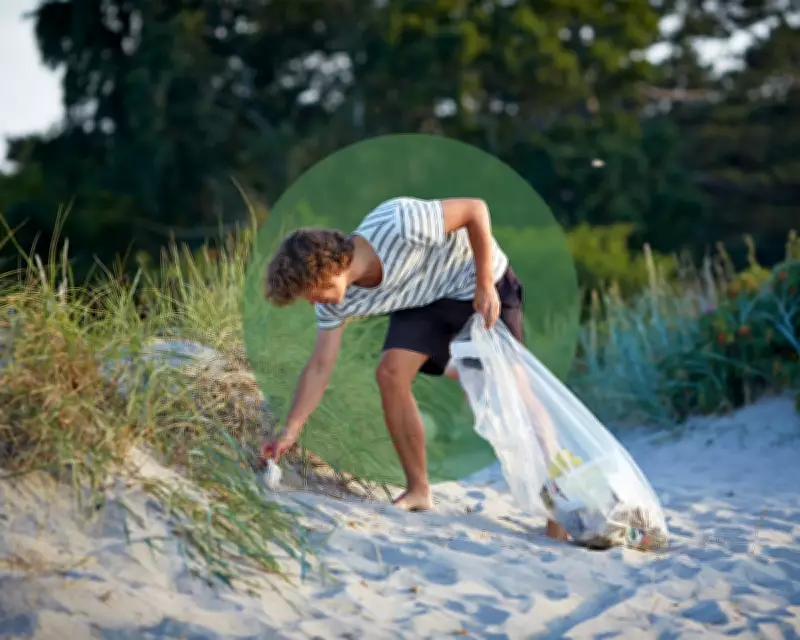
On the opposite coast, at Australia Bay in Arnhem Land—a remote beach 550km north-east of Darwin—Sea Shepherd Australia collaborated with Gumurr Marthakal Indigenous rangers for a beach clean-up. Graham Lloyd, a remote marine debris campaigner, described the scene as "extremely confronting," with the beach littered with decades of plastic waste, including ghost nets, medical waste, and single-use plastics. Using standardised coastal transect surveys, the team provides critical data to the CSIRO, aiding in research and beach management efforts across some of Australia's most isolated locations.
The Role of Citizen Science in Filling Regulatory Gaps
Jeff Angel, director of the Total Environment Centre, emphasises that citizen science projects are crucial where government and industry regulations have fallen short. With the collapse of initiatives like REDcycle, which retrieved only a small percentage of soft plastics, the problem has worsened. Angel notes that plastic pollution, accumulating for decades, requires multifaceted strategies from global treaties to local actions. Citizen science not only reflects individual concern but also fosters collective action, educating participants and their social networks to reduce plastic footprints.
National Projects and How to Get Involved
Nationally, initiatives like the Australian Microplastics Assessment Project (Ausmap) have engaged over 10,000 people in citizen science, collecting more than 1,200 samples and identifying over 60 hotspots. For those looking to contribute, Clean Up Australia Day on 1 March offers a widespread opportunity. The Australian Citizen Science Association's project finder provides a tool to locate local initiatives, while the Australian Conservation Foundation's platypus project focuses on waterways. April Seymore of the Port Phillip EcoCentre highlights the importance of community labs in building trust and fun in scientific exploration, helping transform concerns into evidence-based solutions.
As plastic pollution continues to impact Australia's natural environments, these citizen-led efforts demonstrate a powerful commitment to environmental stewardship, bridging gaps in regulation and inspiring broader societal change.