

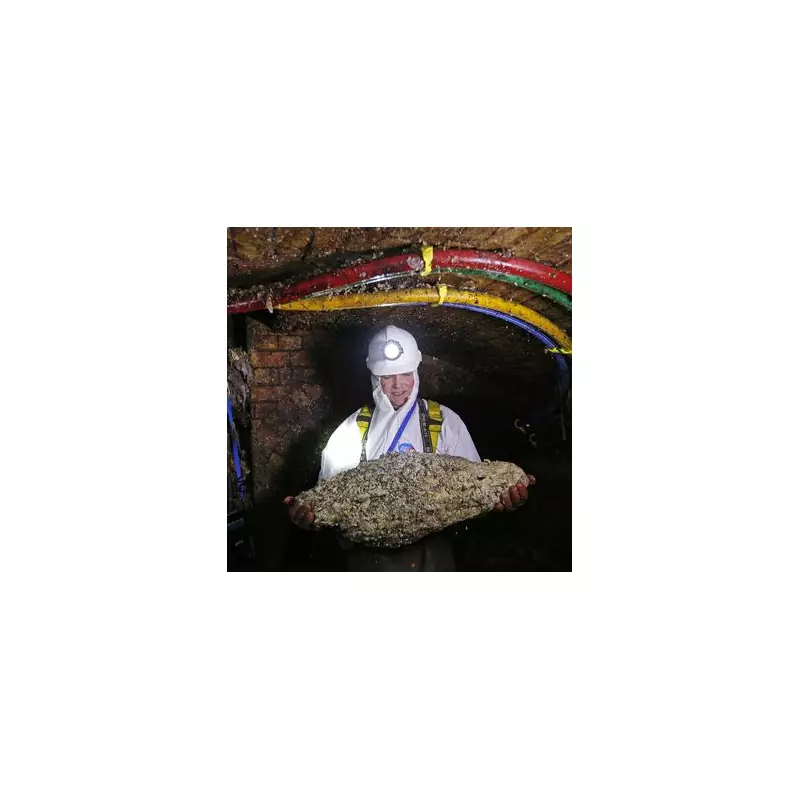
Thames Water has issued a stark warning to Londoners after a colossal, 100-tonne blockage was discovered in the sewers beneath the capital's streets. The mass, known as a fatberg, was found in the Whitechapel area of east London.
A Monstrous Discovery in the Depths
The newly discovered fatberg is a solid mass of congealed fats, oils, grease, and other non-biodegradable items like wet wipes. It measures an estimated 100 metres (328 feet) in length and weighs approximately 100 tonnes. Engineers have already dubbed it "the grandchild" of a notorious predecessor.
This nickname references the infamous 2017 Whitechapel fatberg, which was even larger, weighing 130 tonnes and stretching over 250 metres. That blockage was one of the biggest ever found in the UK and a preserved section was later put on display at the Museum of London.

A Costly and Time-Consuming Clean-Up
Tim Davies, head of waste operations for North London at Thames Water, stated that removing the latest fatberg could take "weeks to complete". He explained the severe impact such blockages have on the sewer network and customer bills.
"This latest fatberg shows exactly what happens when fats, oils and wipes go down our drains – they don't disappear, they build up and cause serious damage," Davies said. He emphasised that the cost of clearing blockages and repairing sewers runs into tens of millions of pounds every year, a cost ultimately borne by customers.
The problem intensifies during the festive period. Thames Water reports a seasonal spike in blockages during December and January, with clearance costs alone reaching £2.1 million over these two months.
Thames Water's Plea to the Public
In response to the discovery, the water company is urgently asking households and businesses to change their habits. The key advice to prevent fatbergs includes:
- Scraping all food scraps from plates and pans into the bin before washing.
- Using a sink strainer to catch any solid materials.
- Avoiding pouring liquid fats like cooking oil, gravy, cream, or sauces down the sink.
Instead, fats, oils, and grease should be left to cool and solidify before being disposed of in general waste, or taken to recycling centres if possible.
The discovery serves as a grimy reminder that the capital's Victorian-era sewer system is vulnerable to modern habits, and that prevention is far cheaper and less disruptive than the complex, weeks-long extraction process now underway beneath Whitechapel.






