

Massive Scale of Illegal Waste Discharge Uncovered in Sydney
A confidential report from Sydney Water has exposed a potentially widespread environmental issue, with estimates suggesting that up to 12,000 food businesses in the city's south-west could be illegally discharging fats, oils, and grease (FOGs) into the sewage system. This waste flows directly to the Malabar treatment plant, which is currently grappling with a massive fatberg reported to be as large as four buses.
The Connection to Beach Pollution Events
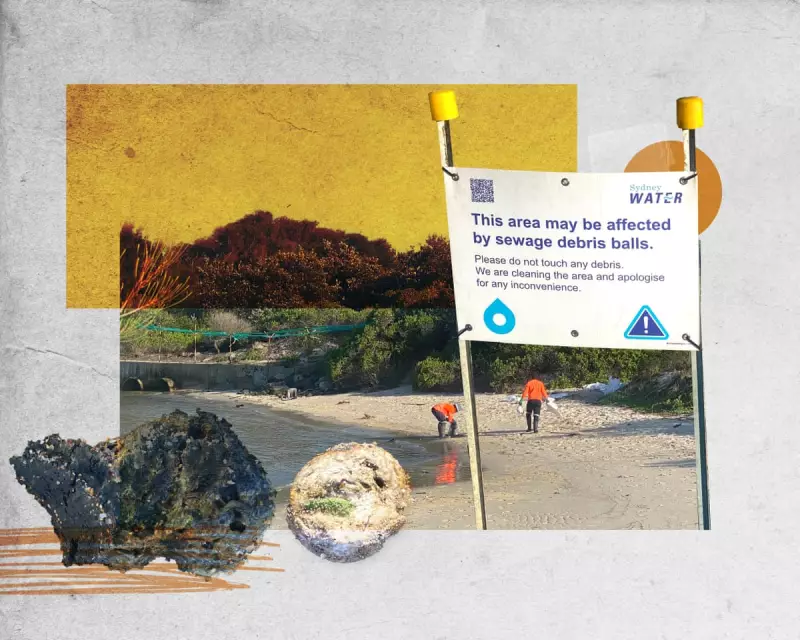
The scale of this suspected non-compliance came to light during an investigation into the mysterious debris balls that forced the closure of Sydney beaches in October 2024 and January 2025. According to the August 2025 report obtained by Guardian Australia, a significant accumulation of FOGs had built up in an inaccessible area of the Malabar plant.
Changes in pumping pressure are believed to have caused this fatberg to break apart, releasing what became known as "poo balls" into the ocean. These waste masses subsequently washed up on Sydney's eastern and northern beaches, driven by wind and wave action.

Alarming Increases in Contaminant Levels
The Sydney Water report presented concerning data about contaminant levels entering the Malabar facility:
- A 39% increase in fats, oils, and grease over the past decade
- A 125% increase in volatile organic compounds during the same period
These dramatic rises correlate directly with the fatberg accumulation that has caused significant operational challenges at the treatment plant.
Changes to Regulatory Oversight and Compliance
The situation has been exacerbated by changes to Sydney Water's Wastesafe program, which was originally established in 1991 to regulate food business waste disposal. Key changes implemented in 2017 include:
- A shift to digital reporting systems
- Reduced numbers of dedicated inspectors
- Transport companies assuming responsibility for reporting collected FOGs
Brett Lemin, executive director of the Waste Contractors and Recyclers Association of NSW, commented on the current situation: "Sydney Water do have inspectors, but not at the rate they used to. It's very hard to police people who aren't even registering for the Wastesafe system."
Industry Response and Regulatory Challenges
John Hart, president of Restaurant and Catering Australia, expressed surprise at Sydney Water's estimate of 12,000 non-compliant businesses. "If it is a problem, it's their problem," he stated this week, noting that food businesses typically require development approval from local councils, which includes grease trap requirements.
Professor Stuart Khan, a water expert at the University of Sydney and chair of the NSW government's independent water advisory panel, suggested the figure "didn't seem outrageous" given the size of the Malabar catchment area, which extends to Glenfield and Liverpool.
Broader Implications Across Sydney
The problem appears to extend beyond the Malabar catchment. A separate project focusing on the Bondi treatment plant identified more than 300 businesses operating without required trade waste approvals, representing a 13% increase in known contributors in that area.
When extrapolated across Sydney Water's entire operational area, this suggests a conservative estimate of at least 1,500 retail food businesses discharging FOGs illegally throughout the city. However, Sydney Water notes this figure excludes non-retail food trade waste sources and doesn't account for business diversity in different catchments.
The organisation currently employs 12 field inspectors who work directly with retail food trade waste customers, maintaining that while service providers changed in 2017, "the program's core purpose, functions and compliance obligations remained unchanged."






