Environment Agency Chief Slams 'Too Slow, Too Weak' Waste Crime System
In a stark assessment, the head of the Environment Agency has declared that the current system for tackling waste crime is fundamentally broken. Philip Duffy, the agency's chief executive, delivered this critique during a House of Lords environment committee hearing, highlighting systemic failures in the justice system that fail to deter illegal dumping activities.
Justice System Criticized as Ineffective Deterrent
Mr Duffy pointed to three key areas where the system falls short: the severity of penalties, the likelihood of apprehension, and the speed of judicial processes. He described the criminal justice approach as "too slow, too weak, and too uncertain" to effectively combat waste crime. This inefficiency, he argued, allows offenders to operate with impunity, undermining environmental protection efforts.
Rising Costs and Organized Crime Infiltration
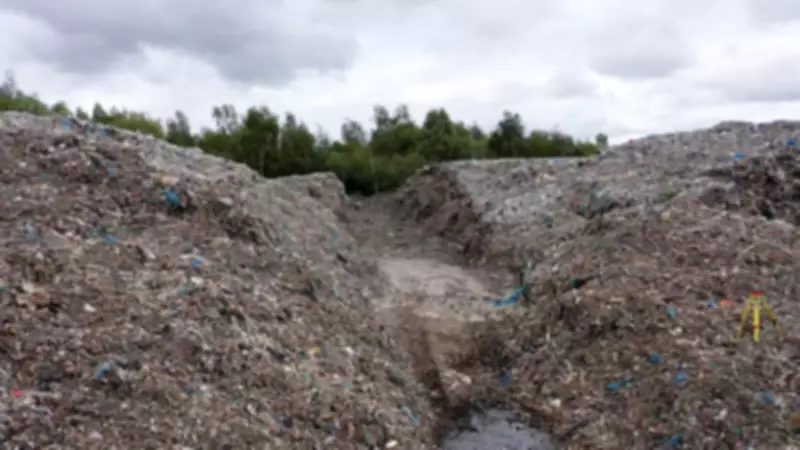
The Environment Agency chief identified increasing landfill tax rates and rising recycling costs as significant drivers behind the surge in waste crime. More alarmingly, he presented evidence of major organized crime gangs "penetrating the UK waste sector", with criminal elements operating within legitimate waste companies. Mr Duffy cited examples like the illegal dumps in Bickershaw, Wigan, and Kidlington, Oxfordshire, where thousands of tonnes of rubbish have accumulated due to such infiltration.

He emphasized that permit-holders who knowingly supply waste to criminals for illegal disposal are "guilty of the same level of criminality" as those who dump it. Additionally, Mr Duffy accused some landfill sites of tax evasion by misdeclaring waste categories to avoid higher taxes, labeling this the "biggest form of criminality in waste" that systematically undermines legitimate businesses.
Premeditated Criminal Operations
Describing the Kidlington illegal waste site as the result of a "very long, prepared criminal operation", Mr Duffy noted that planning for the dump began as early as January, with thousands of tonnes of waste dumped within a week starting around July. This highlights the sophisticated and deliberate nature of these crimes.
Government Response and New Measures
In response to these challenges, the government is considering granting Environment Agency officers police-style powers, including arrests without warrants, premises searches, and asset seizures. The EA has also unveiled a 10-point plan to tackle waste crime, focusing on speeding up response times and improving intelligence gathering. Furthermore, the government announced funding to clear up three large illegal waste sites in Wigan, Sheffield, and Lancashire, addressing concerns about regional disparities in cleanup efforts.
This comprehensive critique underscores the urgent need for reform in how waste crime is addressed, with calls for stronger penalties, faster justice, and enhanced enforcement capabilities to protect the environment and legitimate businesses.