Government Commits to Clearing Illegal Waste Dumps in Northern England
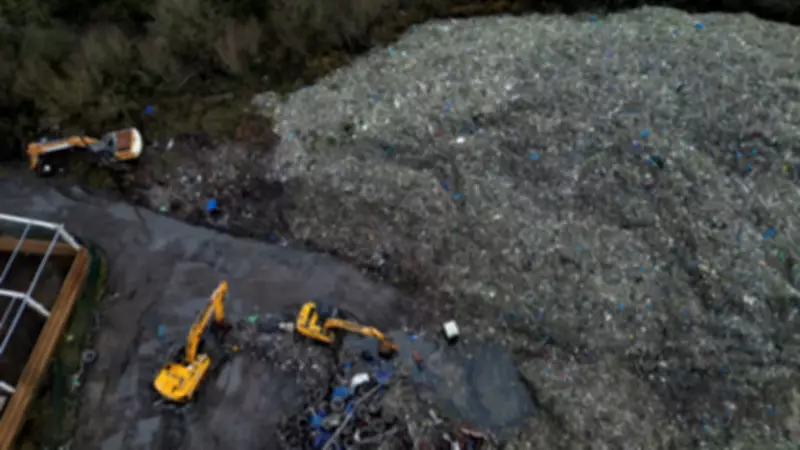
The UK government has pledged direct funding to clear approximately 48,000 tonnes of waste from illegal tips in the north of England, specifically targeting sites in Wigan, Sheffield, and Lancashire. This decision comes amid criticism of a perceived north-south divide in addressing waste crime, following earlier allocations of £9 million for similar clean-ups in Kidlington, Oxfordshire.
Addressing Community Concerns and Environmental Damage
Residents in areas like Bickershaw, near Wigan, have reported severe issues, including rat infestations linked to the waste dumps, feeling neglected by the Environment Agency. In response, the Department for Environment, Food and Rural Affairs (DEFRA) and the Environment Agency have unveiled a comprehensive 10-point plan described as their "toughest ever crackdown" on waste criminals. Emma Reynolds, Secretary of State for the Environment, Food and Rural Affairs, stated, "Waste criminals have been damaging our communities, countryside, environment and economy for too long. This action plan sends a clear message: dump illegally and you will face the full consequences."
New Measures and Technological Advancements
The plan includes enhanced intelligence handling, quicker responses to dumping reports, and public naming of offenders. As part of these efforts, Sky News gained exclusive access to a new drone squad equipped with lasers, thermal imaging, and cameras to gather evidence and detect illegal dumps. James Burton, one of 33 new pilots, explained, "It can be used very effectively for evidence gathering, the photographs we can take from the sky. It paints the picture of the significant level of impact this has had on the countryside and it enables us to better sell the story to a jury and the judge."

Challenges and Criticisms
Steve Molyneux, Environment Agency director of environment and business, emphasized collaboration with police, HMRC, and local authorities to target organised criminals. He noted, "As soon as we're in there, we can use things like restriction orders to stop activity virtually immediately on site, so the more we can work with people to get that early detection the more we can work on prevention." However, analysis by Dan Whitehead, West of England and Wales correspondent, highlights ongoing challenges. While the funding addresses immediate clean-up needs, it does not solve the root profitability of waste crime, where criminals exploit cheap land to avoid landfill taxes. A senior waste executive reportedly described the plans as "hilarious" and an "easiest fraud opportunity ever," indicating potential resistance from organised gangs.
Additional Enforcement Powers and Parliamentary Scrutiny
DEFRA has also announced "clean-up squads" where fly-tippers may receive conditional cautions requiring up to 20 hours of unpaid clean-up work. Environment Agency officers will gain new police-style powers for early intervention, including asset seizures and warrantless searches. Baroness Sheehan, chair of the House of Lords Environment and Climate Change Committee, welcomed the measures but cautioned, "As our initial inquiry found, the Environment Agency has had sufficient powers in the past to stop the illegal dumping of waste across the country but has failed to use them. The apparent additional enforcement powers and budget afforded to them today means it is time for them to step up to the plate." The Committee plans to question Philip Duffy, chief executive of the Environment Agency, on regulatory effectiveness next week.