Illegal Waste Dumps Risk Becoming 'Out of Control Plague' Without Enhanced Cooperation
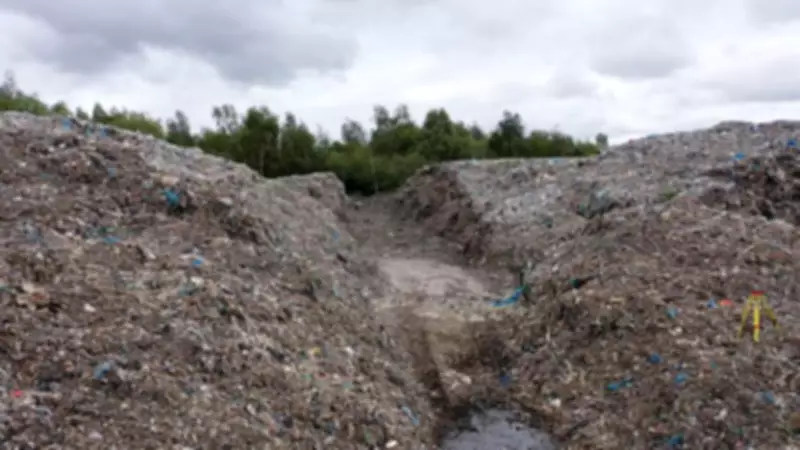
A new report from the Public Accounts Committee (PAC) has issued a stark warning that illegal waste dumps could remain an "out of control plague" if there is not greater cooperation between the Environment Agency (EA) and police forces. The committee, which oversees public spending, highlighted that the increasing problem of large-scale illegal waste sites "surpasses" the powers of the EA, raising serious concerns about environmental and community impacts.
Intelligence Gaps and Regulatory Challenges
The PAC report points to significant "intelligence gaps" within the EA regarding the criminal networks behind illegal waste dumping. It states that waste regulation is currently "not effective enough" to prevent waste crime or ensure compliance. Specifically, the agency lacks civil enforcement options against illegal sites, forcing it to rely on lengthier and more expensive criminal prosecutions. This limitation hampers swift action against offenders and allows illegal activities to proliferate.
In response, the Department for Environment, Food and Rural Affairs (DEFRA) has dismissed the report as "out of date before it was even published," arguing that it fails to account for recent reforms. DEFRA claims that new measures are underway to equip regulators with enhanced tools, powers, and investment to tackle waste crime and protect natural resources.

Government Initiatives and Future Plans
Recent developments include government proposals to grant EA officers police-style powers, such as making arrests without warrants, conducting searches, and seizing assets. Additionally, the EA has introduced a 10-point plan aimed at combating waste crime, which focuses on accelerating response times to dumping alerts and improving intelligence gathering and sharing among agencies.
The government has also committed to funding the cleanup of three major illegal waste sites in Wigan, Sheffield, and Lancashire, addressing concerns about regional disparities in environmental funding. While the PAC commended the EA for its handling of a large-scale dump in Kidlington, Oxfordshire, it noted that local authorities had been aware of the issue for weeks prior to intervention, underscoring the need for better collaboration.
Calls for Structural Reforms
The committee is urging the government to consider merging the regulatory responsibilities of Natural England and the EA to streamline processes and reduce complexities in environmental oversight. This move could enhance efficiency and coordination in tackling illegal waste activities, which have become "widespread" across various regions.
As the chief executive of the EA, Philip Duffy, prepares to testify before the House of Lords Environment and Climate Change Committee, the debate over effective waste management intensifies. Without deeper cooperation between the EA, police, and local authorities, illegal waste dumping is poised to continue as a significant environmental and public health threat, affecting communities nationwide.