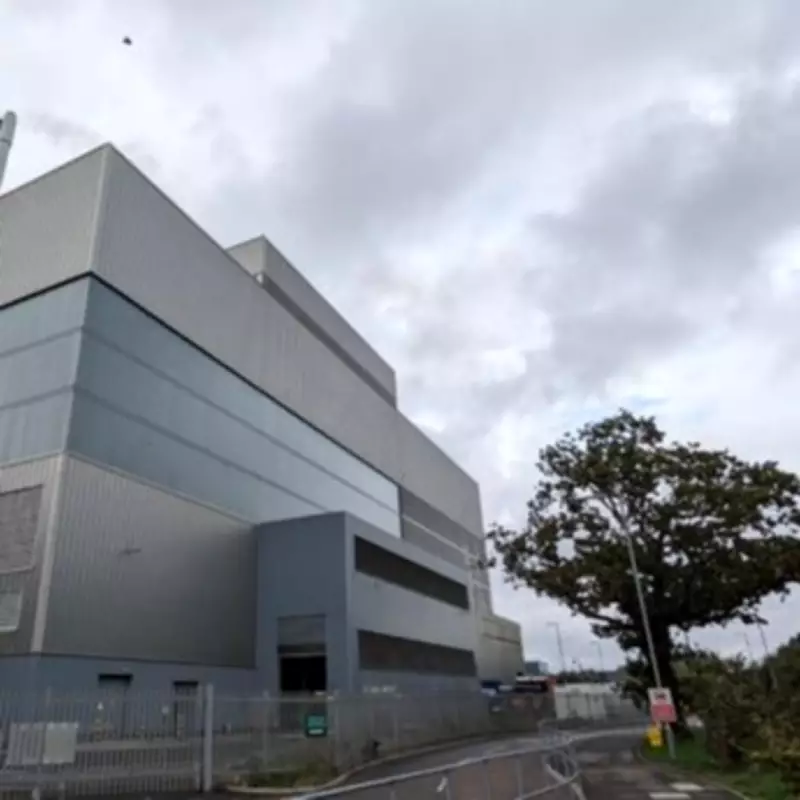
Sutton Residents Intensify Campaign Against Beddington Waste Facility Expansions
Residents in Sutton are escalating their demands for the Liberal Democrat-led council to take a firmer stance against proposed expansions of major waste and energy facilities in the Beddington area. Independent councillor Nick Mattey has been vocal in warning that these developments could severely impact the health and well-being of our community and future generations. This issue is gaining significant traction as a pivotal concern in the lead-up to the local elections scheduled for May.
Petition Garners Widespread Support Ahead of Elections
A petition initiated by Councillor Mattey has already amassed nearly 1,500 signatures, highlighting deep-seated public apprehension. The petition specifically targets three key proposals:
- The expansion of the Viridor incinerator to increase its waste-burning capacity by approximately 35,000 tonnes annually.
- The development of a new SUEZ anaerobic digestion plant on Beddington Lane, designed to process up to 100,000 tonnes of food waste each year.
- The continued growth of the Sutton Decentralised Energy Network (SDEN), which some fear may become overly reliant on waste-based energy sources.
Mattey emphasised to the Local Democracy Reporting Service that the level of public backing makes it difficult for election candidates to avoid taking a clear position. He noted that this issue played a decisive role in the 2022 local elections, helping independent councillors secure re-election in the Beddington ward due to their opposition to the incinerator.

Viridor Incinerator Expansion Raises Pollution Concerns
The Viridor plant, officially known as the Beddington Energy Recovery Facility, serves around 700,000 households across four South London boroughs: Croydon, Sutton, Merton, and Kingston. The company has submitted an application to boost its annual capacity, a move that Sutton Council already opposes. Critics point to past operational issues, including 916 instances where the site exceeded permitted nitrogen oxides (NOx) limits between September 2022 and March 2024, as recorded by Environment Agency data.
Viridor attributes these breaches to human error linked to a programming fault in its emissions monitoring system, noting that they were self-reported once identified. While the Environment Agency and UK Health Security Agency concluded that emissions were unlikely to have harmed public health, residents remain worried about acrid odours and potential respiratory risks. Mattey describes the proposed expansion as a significant uplift that could have dire consequences, potentially pushing pollution to unmanageable levels.
In defence, Viridor argues that without the incinerator, much of the waste would end up in landfills, requiring the equivalent of 187 Olympic-sized swimming pools of space annually. The company states that increasing capacity would divert an additional 35,000 tonnes from landfills each year and reduce the need for new local waste-management facilities.
SUEZ Anaerobic Digestion Plant Faces Safety and Traffic Objections
The petition also targets SUEZ's plans for an anaerobic digestion facility on Beddington Lane, which would process food waste to generate renewable gas for about 8,200 homes. Despite council officers recommending approval, Sutton Council rejected the application in April last year due to safety concerns, citing incidents at similar plants elsewhere in the UK. Opponents highlight the proximity to homes, schools, and major industrial sites, as well as potential increases in HGV traffic along Beddington Lane.
SUEZ claims its revised plans would generate 50% less traffic than a previously approved scheme and that odours would be tightly controlled. The company has lodged an appeal with the Secretary of State and is currently responding to questions from the Planning Inspectorate. Labour Councillor Dave Tchil, representing the neighbouring Hackbridge ward, expressed concerns about over intensification of industry, rushed through, with no return for locals, questioning the long-term benefits for residents.

Sutton Decentralised Energy Network Under Scrutiny
Further criticism is directed at the council's SDEN, which currently uses landfill gas from an adjacent site to supply developments like Hackbridge's New Mill Quarter. Mattey argues that a planned link to the incinerator, first promised in 2016, could lock Sutton into waste-based energy rather than promoting renewables and energy efficiency. Councillor Christopher Woolmer, Sutton Council's lead member for the environment, confirmed that any expansion of the network will not depend on increased waste at the facility and that a connection to the incinerator is still under consideration.
Council and Company Responses Highlight Regulatory Frameworks
Councillor Woolmer acknowledged that many issues raised in the petition are outside the council's direct control, with regulation and monitoring handled by the Environment Agency. He reiterated the council's opposition to increasing waste at the Viridor facility and its rejection of the SUEZ application, emphasising a shared passion with residents for sustainable waste reduction.
A Viridor spokesperson stated that the company operates in a highly regulated sector and takes environmental responsibility seriously, citing public reports that confirm modern incinerators do not significantly contribute to air pollution or pose health risks. Tim Hughes of SUEZ highlighted that the Beddington Lane site has been earmarked for waste facilities by local councils and described the proposal as green and sustainable, aimed at tackling London's food waste while supporting UK energy security.
As the May elections approach, this issue continues to galvanise community action, with residents determined to hold candidates accountable for their positions on these contentious developments.