UK Recycling Systems Struggle Under Weight of Vape Waste Despite Regulatory Ban
Despite the implementation of a ban on disposable e-cigarettes last year, the United Kingdom continues to grapple with a significant vape waste crisis, with more than six million devices and pods being discarded every single week. New research from recycling campaign group Material Focus reveals that while progress has been made, the sheer volume of discarded vaping products continues to overwhelm waste management infrastructure and pose serious safety risks.
Significant Reduction But Persistent Problems
The comprehensive study conducted with Opinium found that 6.3 million vapes and pods were thrown away weekly in 2025, representing a notable 23% reduction from the previous year. This decline suggests the ban on single-use vape sales that took effect on June 1, 2025, has begun to impact waste levels, particularly when combined with a 31% drop in weekly vape purchases.
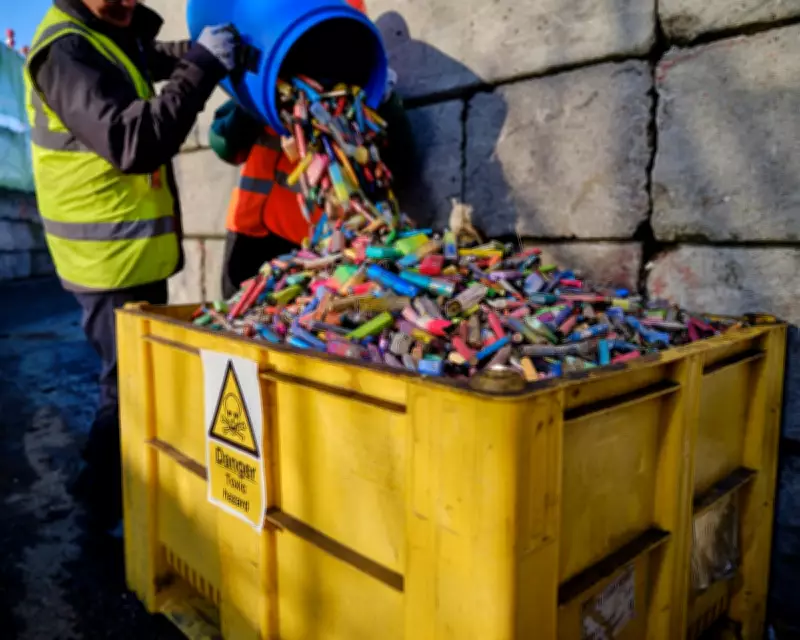
However, waste management companies report that current recycling systems remain dangerously strained. Veolia disclosed to Material Focus that it experiences approximately one fire daily across its vehicles and facilities, likely caused by hidden lithium-ion batteries within improperly discarded vapes. Meanwhile, Biffa reported receiving more than 200,000 incorrectly recycled vapes in its mixed collections each month.

Dangerous Consequences of Improper Disposal
The improper disposal of vapes containing lithium-ion batteries has created a cascade of dangerous consequences across the UK. When these devices are crushed or damaged in waste processing, they can spark intense fires in bin lorries and recycling centers. These incidents have resulted in injuries to staff and caused localized spikes in air pollution that have breached World Health Organization limits, posing health risks to nearby communities.
Scott Butler, executive director of Material Focus, described the situation as a continuing "vapocalypse" as battery fires increase nationwide. "It should be as easy to recycle a vape as it is to buy one," Butler emphasized. "It is a longstanding legal obligation for all of the stores who are profiting from selling them to offer safe recycling drop-off points and cover the costs of doing that."
Market Shifts and Ongoing Challenges
While the single-use ban has shifted consumer behavior toward rechargeable models, Material Focus estimates that 2.2 million single-use vapes are still purchased each week. Purchases of standard rechargeable vapes have declined by 28%, falling from 6.3 million weekly in 2024 to 4.5 million last year. This reduction has likely been offset by rising popularity of high-capacity "big puff" rechargeables and wider availability of refill pods.
The research also revealed significant knowledge gaps among consumers, with nearly half of vapers (47%) unaware that their devices could be recycled. Over the past four years, more than one billion vapes have been discarded in the UK, creating an enormous environmental challenge.
Calls for Comprehensive Solutions
Material Focus is advocating for a comprehensive, widely accessible take-back solution paired with a large-scale public awareness campaign. The organization urges clearer recycling instructions on vape packaging and highly visible in-store collection points, arguing these should be core requirements of any proposed retail licensing system.
A spokesperson for the Department for Environment, Food and Rural Affairs stated: "Single-use vapes get kids hooked on nicotine and blight our high streets – it's why we've taken action and banned them. We are determined for more vapes to be recycled, and have made it compulsory for all vape retailers to provide recycling bins."
The research involved a weighted sample of 1,000 people over 16 years old who have purchased vapes since the ban implementation, designed to be representative of the UK population. As the tobacco and vapes bill progresses through parliament, stakeholders see an opportunity to mandate more effective recycling systems and address the ongoing environmental and safety concerns posed by vape waste.