Turkey Accelerates Battery Storage Approvals, Outstripping European Union Nations
In a significant development for global energy markets, Turkey has surged ahead of European Union member states in approving battery storage capacity, according to a recent report from the climate thinktank Ember. Since 2022, Turkey has greenlit more than 33 gigawatts (GW) of battery storage projects, a figure that dwarfs the 12-13GW planned and operational in leading EU countries such as Germany and Italy. This trend highlights a shifting dynamic where developing economies are rapidly embracing clean technologies amid declining costs and ongoing fossil fuel crises.
Policy-Driven Investment Signals a New Energy Era
Ufuk Alparslan, an analyst at Ember and author of the report, attributes this boom to strategic policy choices in Turkey. "Policy decisions have created a massive investment signal in battery storage, surpassing European peers," Alparslan stated. "If delivered, Turkey's battery pipeline will form the backbone of a new, clean regional energy hub." The surge is largely driven by a 2022 mandate that grants preferential grid access to renewable energy sources paired with equivalent storage capacity. Of 221GW in submitted applications, Turkey has approved 33GW, equivalent to 83% of its current wind and solar capacity, with Romania being the only EU country with a higher ratio.
Batteries Enhance Renewable Reliability and Reduce Fossil Fuel Dependence
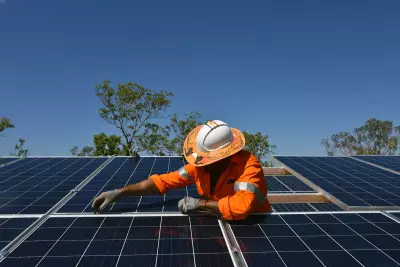
Battery storage plays a crucial role in amplifying the benefits of weather-dependent renewable technologies, such as wind turbines and solar panels. By storing electricity for release during cloudy or windless periods, batteries help reduce reliance on fossil fuels, cutting pollution and energy bills. European energy experts have long advocated for increased investment in grids and storage to enhance energy security, a call that has gained urgency following recent geopolitical tensions, including the Iran war, which exacerbated fossil fuel instability.

Global South Leads in Solar and Battery Adoption as Costs Plummet
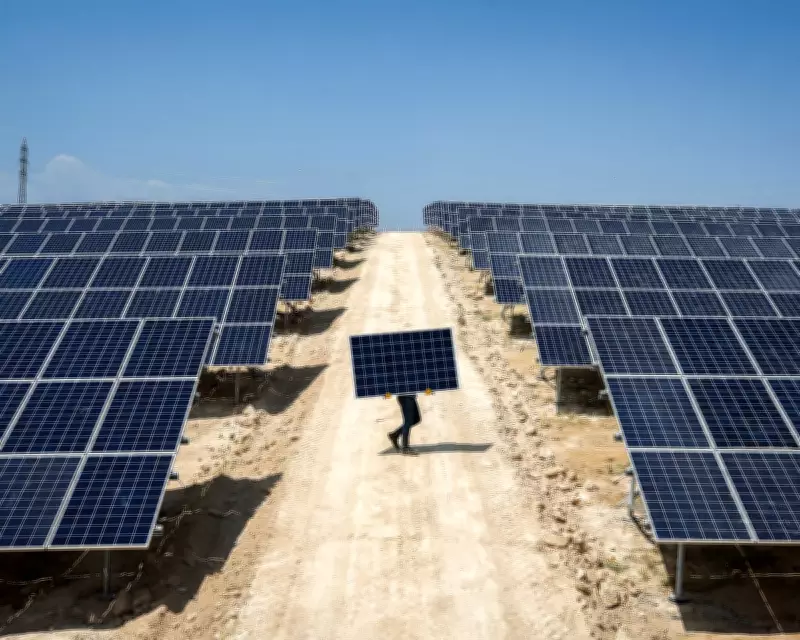
Greg Nemet, an energy researcher at the University of Wisconsin-Madison, noted that the dramatic growth in solar and battery adoption in countries like Turkey stems from cost reductions of nearly 90% over the past decade. "Cheap solar and batteries create a tremendous opportunity for a cheap, clean, and reliable energy system," Nemet explained. "Countries like Turkey are seizing this advantage to transform their energy landscapes." Turkey currently generates about one-fifth of its power from wind and solar, exceeding regional averages but still below European levels, while coal remains heavily subsidized and accounted for 34% of electricity last year.
Challenges and Future Prospects for Turkey's Energy Transition
Despite its ambitious targets, Turkey faces hurdles in realizing its battery storage projects. Alparslan pointed to permit bottlenecks and reliance on spot electricity market prices as potential obstacles. Additionally, Turkey's large hydropower dams provide clean base-load power, reducing the immediate need for extensive battery storage compared to many European nations. "The approach appears somewhat overcautious, rather than fully forward-looking," Alparslan commented. "Nonetheless, Turkey has sent a strong investment signal that surpasses European counterparts." The country aims to increase installed wind and solar capacity from 40GW to 120GW by 2035, though it fell short of annual targets last year, adding only 6.5GW against an 8GW goal.
Climate Summit Context and Fossil Fuel Phaseout Omissions
These findings emerge as Turkey prepares to host the Cop31 climate summit in Antalya this November. An early draft of Turkey's proposed action agenda for the summit, leaked last month, notably omitted any mention of phasing out fossil fuels, a key topic discussed at previous climate conferences. This omission raises questions about Turkey's long-term commitment to reducing coal dependency, even as it advances in battery storage and renewable energy infrastructure.