

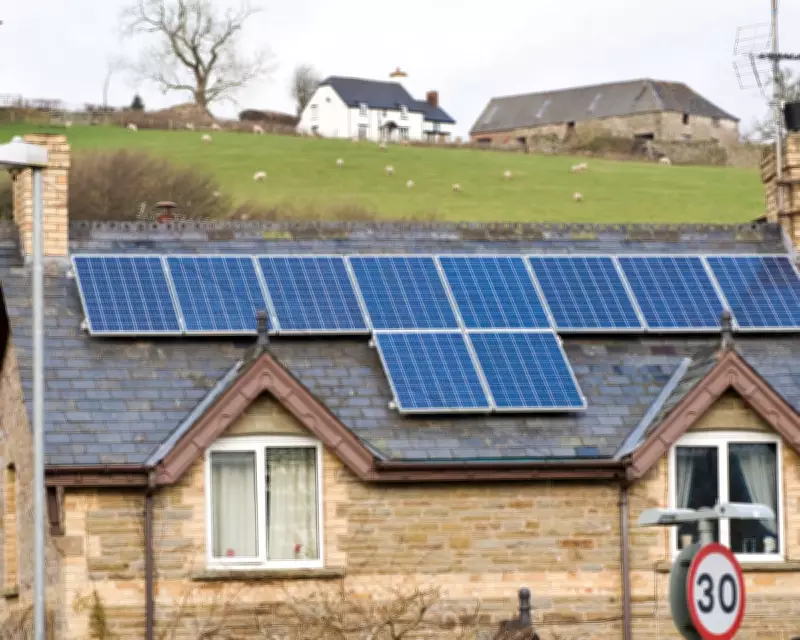
Record Green Energy Adoption in UK Homes Amid Fuel Price Crisis
British households are embracing green home energy upgrades at unprecedented rates as the Iran conflict sends global oil and gas prices skyrocketing, according to new data from leading energy suppliers. This surge comes as families prepare for a sharp 18% increase in energy bills expected to take effect from July, pushing the typical annual dual-fuel tariff to approximately £1,929.
Supplier Data Reveals Dramatic Demand Increases
Octopus Energy, the largest energy supplier in Great Britain, has reported remarkable growth across multiple green technology sectors. In March alone, heat pump orders more than doubled compared to February, while solar power system sales jumped by nearly 80%. The company also recorded an impressive 85% increase in new electric vehicle leases during the same period.
British Gas, the sector's second largest provider, has witnessed even more dramatic interest in renewable solutions. Since February 28th, the company has experienced a staggering 250% surge in solar panel installation inquiries, along with what a spokesperson described as a "significant increase" in heat pump interest.

Consumer Motivation: Escaping Fossil Fuel Volatility
"British families are tired of being held hostage by global fossil fuel prices," explained Rebecca Dibb-Simkin, Chief Product Officer at Octopus Energy. "We're observing a massive behavioral shift as people take control of their energy futures—adopting solar technology, heat pumps, and electric vehicles to lock in predictable running costs and insulate themselves from future price shocks."
This sentiment is echoed by Allan Burgess from Great Yarmouth, who recently transitioned from heating oil to a heat pump system. "Once the war in Iran began, I knew immediate action was necessary," Burgess recounted. "My heating oil costs had skyrocketed from £250 to £700 for 500 liters within a single week. The uncertainty became unbearable, particularly since heating oil prices aren't regulated by Ofgem's price cap."
Rapid Implementation and Comprehensive Solutions
Burgess arranged his heat pump installation on March 12th, with the system fully operational by March 17th. With existing solar panels and battery storage, his home now operates the heat pump without requiring additional electricity from the national grid. After applying the government's £7,500 grant, his total installation cost amounted to just £1,500.
Broader Market Trends and Strategic Planning
Furbnow, a home energy upgrades provider, has documented a 42% increase in inquiries since late February, with particular emphasis on reducing fossil fuel dependence. "These decisions aren't panic reactions but carefully considered strategies," noted CEO Becky Lane. "Families recognize that the most resilient approach involves fundamentally reducing their home's energy requirements. A home that barely needs energy remains unaffected by price fluctuations."
The company's data reveals specific consumer preferences:
- Nearly 75% of prospective customers requested solar panel installations
- Over 50% expressed interest in replacing gas or oil boilers with electric heat pumps
- Approximately 40% sought insulation upgrade quotations
Market Context and Future Implications
Europe's benchmark gas price has risen by approximately 50%, directly influencing the anticipated 18% energy bill increase scheduled for July. The UK faces particular vulnerability due to its reliance on Gulf refineries for about 60% of jet fuel imports—a commodity closely linked to heating oil prices that has experienced severe shortages since Iran effectively closed the Strait of Hormuz.
This green energy transition represents more than temporary consumer behavior—it signals a fundamental shift in how British households approach energy security, cost management, and environmental responsibility during times of geopolitical uncertainty and economic pressure.






