Exclusion Zone Expanded for WWII 'Doomsday Wreck' in Thames Estuary
The exclusion zone surrounding a World War Two shipwreck packed with explosives, ominously nicknamed the 'doomsday wreck,' has been significantly expanded by authorities. This move comes amid growing concerns about the vessel's structural integrity and the catastrophic potential of its volatile cargo.
Historic Wreck Poses Ongoing Threat
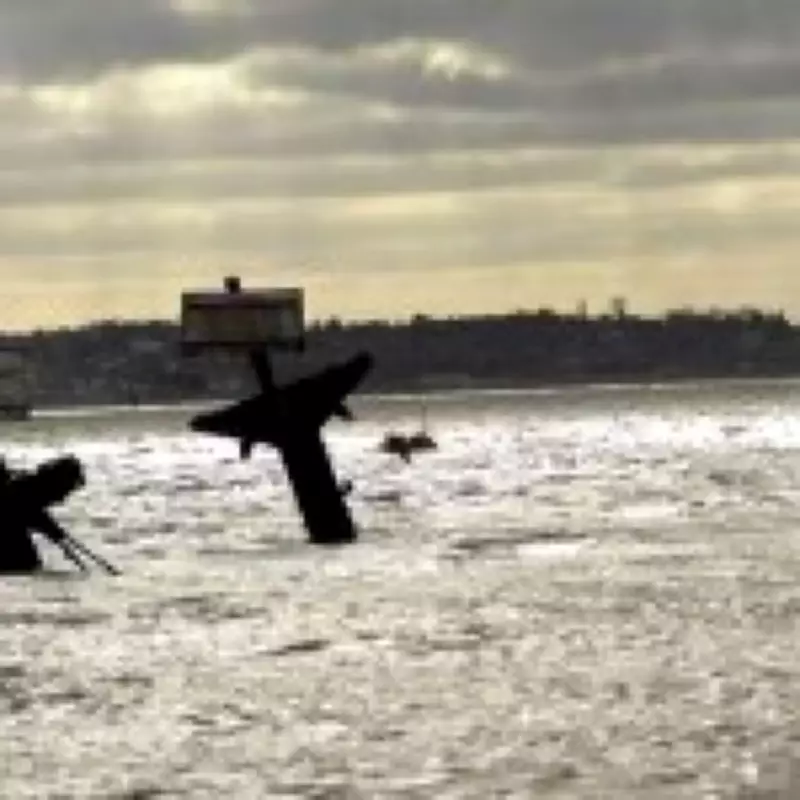
The SS Richard Montgomery, an American munitions ship, sank in the Thames Estuary in August 1944 while carrying thousands of tonnes of ammunition. It has remained on the seabed ever since, with its three masts still protruding above the water. The ship broke in half upon sinking, and while roughly half of its 7,000-tonne ammunition load was salvaged, approximately 14,571 bombs are believed to remain onboard.
Experts warn that an explosion could trigger a tsunami with waves up to 16 feet high, devastating the coastline. The Isle of Sheppey would be engulfed, and London could face severe flooding from what has been termed a "Thames tsunami." A government test in 1970 outlined a worst-case scenario where a full detonation would create a 3,000-meter-high column of water and debris, along with a five-meter tsunami, overwhelming Sheerness and its port.

Increased Precautions and Delayed Mitigation
From March 23 to April 5, shipping traffic must maintain a wider distance from the wreck as investigators conduct surveys. Buoys marking the new exclusion zone have been in place since March 16. This expansion follows a no-fly zone implemented last summer after advice indicated the wreck was becoming more unstable. Recent photos showing cargo ships sailing alarmingly close have heightened fears.
The vessel, named after an American hero of the War of Independence, was intended to join a convoy to Cherbourg, France, after docking at Sheerness but instead ran aground. Plans to cut down its masts to reduce strain on the deteriorating hull, first announced six years ago, have been delayed, exacerbating risks. A June report suggested the wreck is nearing collapse, with the front section "splitting in two" and the back also in trouble.
Broader Implications and Ongoing Monitoring
Beyond immediate coastal areas, the water wave from an explosion could reach the Isle of Grain and its liquid gas installations, posing potentially catastrophic consequences. The Department for Transport has been contacted for further information, as authorities continue to monitor the situation closely. While lesser explosion scenarios exist, the expanded exclusion zone underscores the serious threat this historic wreck still poses to public safety and infrastructure in the region.