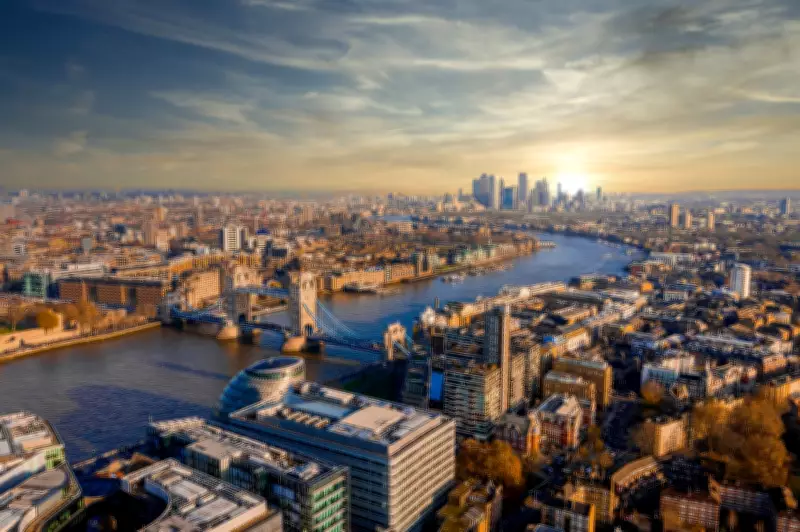
Developers have unveiled ambitious plans to harness the thermal energy of the River Thames to provide sustainable heating for several of London's most iconic cultural and educational institutions. The innovative scheme represents a significant step forward in the capital's efforts to decarbonise its urban infrastructure.
The Waterloo and Southbank Heat Network Initiative
A substantial £72.7 million investment will fund the creation of a pioneering water source heat pump system designed to extract warmth from the Thames. This renewable heat will then be distributed through an extensive underground pipe network, delivering low-carbon thermal energy to multiple landmark buildings across central London.
Targeted Landmarks and Environmental Benefits
While the complete list of connected buildings remains to be finalised, organisations currently exploring participation include the National Theatre, King's College London, BFI Southbank, and the Southbank Centre. The developers behind the project, Hemiko, have confirmed that the initial cluster of buildings could achieve remarkable environmental savings.

The projected carbon reduction amounts to approximately 22,000 tonnes annually, which equates to removing about 10,000 cars from London's roads each year. This substantial environmental benefit underscores the project's importance in meeting the city's climate objectives.
Strategic Development and Future Expansion
Toby Heysham, Hemiko's chief executive, emphasised the project's symbolic and practical significance: 'There are few things that say "London" quite like the River Thames does, so knowing that water from the Thames could soon heat some of the capital's iconic buildings is such a wonderful, quintessentially London story.'
The development strategy focuses initially on areas with high heat density where multiple buildings can benefit from interconnection. Once the core infrastructure is established, the network aims to expand gradually to additional buildings and residential properties across neighbouring districts, with community engagement surveys guiding this phased growth.
Broader Implications for London's Energy Future
This initiative forms part of a wider movement toward decarbonising heating systems across central London without requiring individual buildings to install separate heat pump units. By creating shared thermal infrastructure, the project promises to deliver more affordable heating solutions for both businesses and residents in the Waterloo and South Bank areas.
The network will be constructed using British engineering expertise and operated locally, supporting domestic industry while creating sustainable energy solutions. This approach aligns with broader urban planning objectives that prioritise environmental responsibility alongside economic development.
As London continues to address the challenges of climate change and energy security, innovative projects like the Waterloo and Southbank Heat Network demonstrate how historic infrastructure can be reimagined to serve contemporary environmental needs while preserving the character of the city's most beloved landmarks.