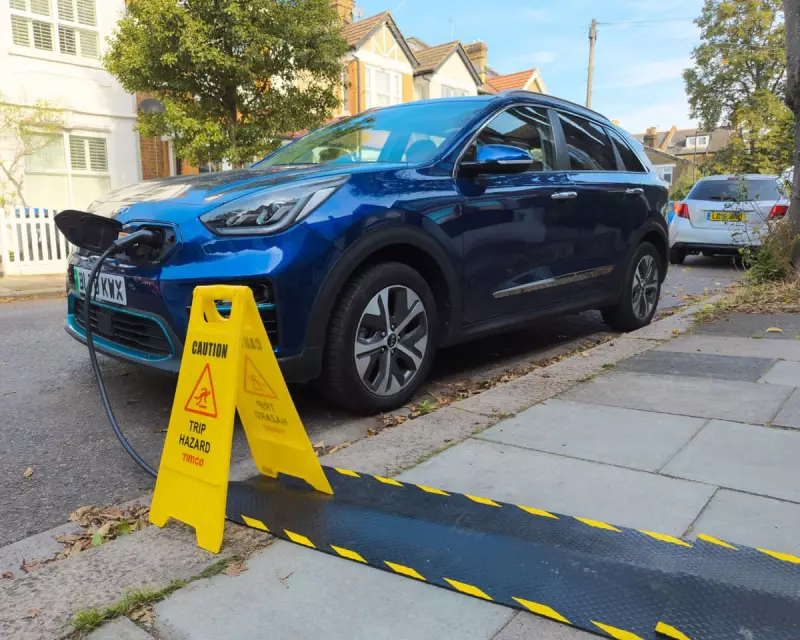
Battery electric vehicles are on track to overtake diesel cars on Great Britain's roads by the end of the decade, according to a new analysis. The research also suggests London will lead the charge, becoming the first UK city to see diesel car registrations effectively disappear.
The Decline of Diesel and the Rise of Electric
Data from the transport thinktank New AutoMotive reveals a stark decline in diesel vehicles. The number of diesel cars on the roads fell to 9.9 million in June last year. This figure represents a significant 21% drop from its peak of 12.4 million vehicles. This downturn follows the 'dash for diesel' in the 2000s, promoted by favourable tax rates, and the subsequent 'Dieselgate' scandal in 2015, where Volkswagen was found to have cheated emissions tests.
In contrast, electric car sales continue to grow rapidly, even if slightly below some manufacturer expectations. However, the current share of electric vehicles remains modest. According to the Society of Motor Manufacturers and Traders (SMMT), battery electric cars constituted just 4% of UK cars last year. This compares with 32% diesel and 58% petrol, with the remaining 6% being hybrid models.

Urban Policies Accelerating Change
The transition is being driven fastest in urban areas, particularly London. The capital is predicted to be the first place in the UK with no registered diesel cars or vans, a shift largely attributed to the expansion of the ultra-low emission zone (Ulez). Ulez charges for more polluting, non-compliant vehicles, incentivising a switch to cleaner alternatives. Similar low-emission zones in Edinburgh and Glasgow are also contributing to a rapid decline in diesel numbers in Scotland's central belt.
"Ending the use of diesel is essential to clean up Britain’s choking cities," said Ben Nelmes, chief executive of New AutoMotive. He highlighted the benefits of the electric transition, including cleaner air, quieter streets, and lower running costs, while also reducing the UK's reliance on imported diesel.
Lagging Vans and Rural Realities
The report notes a significant lag in the transition for commercial vehicles. While diesel car numbers fall, the count of diesel vans has risen to a record 4.4 million. However, analysts believe the peak for new diesel van sales likely occurred before the pandemic, meaning their numbers on roads will eventually start to decrease.
An interesting trend identified is the movement of older diesel cars from cities to more rural areas, as urban dwellers sell them on. This means the air quality benefits in cities may come faster than the overall national decline in diesel use. As older diesel vehicles are finally scrapped, the report forecasts a knock-on effect for fuel stations, with many likely to withdraw diesel supplies.
Matt Finch, an environmental policy expert who co-wrote the report, stated conclusively: "No one is denying diesel hasn’t been useful, but it has had its day." The analysis paints a clear picture of a nation steadily moving beyond the diesel age, with electric vehicles set to dominate the roads within the next six years.