Australia's automotive landscape is undergoing a dramatic transformation as new data reveals electric vehicle adoption has reached unprecedented levels while traditional petrol-powered cars experience a significant decline in market dominance.
Record-breaking quarter for electric vehicles
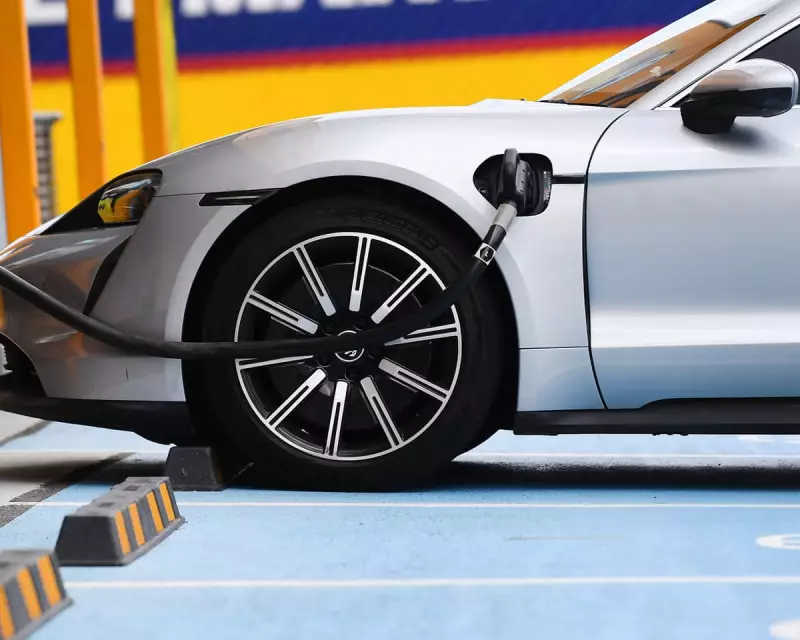
The latest figures from the Australian Automobile Association (AAA) show that battery-electric vehicles accounted for 9.7% of all new cars sold during the September quarter, representing the highest proportion ever recorded in the country.
This milestone coincided with the market share for internal combustion engine vehicles falling below 70% for the first time in Australian history, dropping to just 69.65% nationally.

The statistics reveal that 29,298 fully electric vehicles were sold during the three-month period, slightly exceeding the previous quarter's record total by 54 units.
Hybrid vehicles surge as petrol demand weakens
While pure electric vehicles demonstrated strong growth, hybrid models experienced an even more substantial surge in popularity. Sales data shows that 49,929 hybrid vehicles found new owners during the quarter, alongside 12,460 plug-in hybrid models.
This shift toward electrified transportation occurred alongside a marked decline in demand for traditional petrol-powered cars. The data indicates that petrol vehicle sales dropped from 226,306 to 210,458 between quarters, representing a significant downturn for the conventional automotive sector.
The trend away from internal combustion engines was particularly pronounced in certain regions. New South Wales recorded a petrol vehicle market share of 68.74%, while Victoria saw even greater electrification with internal combustion engines accounting for just 68.04% of new car sales.
Policy challenges and future targets
Despite the encouraging numbers, the Electric Vehicle Council has called for renewed government support to maintain momentum. Aman Gaur, the council's head of legal, policy and advocacy, emphasised that Australians are increasingly choosing electrified vehicles over environmentally damaging alternatives while saving substantial money on running costs.
The federal government has implemented several measures to encourage EV adoption, including fuel efficiency standards and fringe benefits tax exemptions. However, authorities have stopped short of establishing formal sales targets.
The Climate Change Authority has projected that electric vehicles would need to constitute half of all light vehicle sales over the coming decade for Australia to achieve even the lower end of its emissions reduction goals. This target aims to cut greenhouse gas emissions between 62% and 70% by 2035.
Potential obstacles remain, with the authority's chair Matt Kean warning that a proposed road-user charge could create headwinds for mass EV adoption. Treasurer Jim Chalmers has indicated he's in no rush to develop such a system despite pressure from state governments seeking funding for road maintenance.
Gaur has urged state and territory governments to reinforce the national effort by restoring EV incentive programs, specifically criticising Western Australia's decision to terminate a popular $3,500 rebate scheme in May. He stressed that a successful transition requires coordinated effort across all levels of government rather than relying on federal initiatives alone.