Free Public Transport Introduced in Australia to Tackle Fuel Price Surge
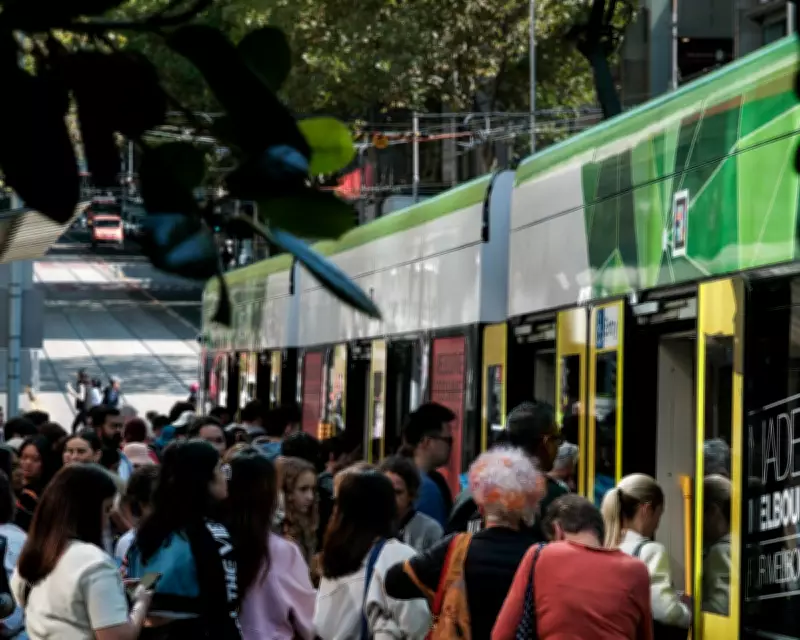
In a bold move to address the escalating fuel crisis, the Victorian government has announced that public transport will be free until the end of April. This initiative, aimed at reducing petrol demand, comes as unleaded petrol prices have soared by approximately $1 per litre since February, reaching around $2.60, while diesel has increased by about $1.50 to $3.20 per litre over the past six weeks. Tasmania has followed suit, offering free bus and Derwent River ferry travel until July 1.
Expert Insights on the Policy's Effectiveness
Transport experts have weighed in on the temporary free public transport scheme. Professor Graham Currie from Monash University, a renowned public transport authority, supports the measure as a quick and impactful response to the unusual economic situation. He notes that it provides immediate relief for households struggling with high living costs, particularly those burdened by weekly fuel bills.
However, Professor Mark Hickman from the University of Queensland cautions that many car users are not highly sensitive to fuel price changes and may not switch to public transport frequently. His research on Queensland's 50-cent fare policy reveals that increased ridership often comes from cyclists, pedestrians, or non-travelers rather than motorists.

Equity Concerns and Limitations
Both professors highlight significant drawbacks. A major issue is that free public transport primarily benefits higher-income households in inner-city areas with quality access, such as Toorak in Melbourne. Approximately half of urban Australians lack reliable public transport, leaving those in fringe suburbs, regional towns, and rural areas without assistance. This policy does not address accessibility gaps or help the bush communities.
Additionally, the cost implications are substantial. New South Wales has estimated that a similar plan would cost $140 million monthly in lost Opal revenue, double Victoria's projected expenses. Professor Currie questions whether the $71 million allocated in Victoria could be better spent on long-term solutions, like expanding services to underserved areas or electrifying bus fleets with renewable energy.
Policy Conflicts and Future Implications
The free transport trials may clash with federal measures, such as the three-month halving of the fuel tax announced recently. Professor Hickman points out the oddity of combining subsidies that encourage driving with incentives to use public transport, suggesting a need for cohesive policy alignment.
Ultimately, while free public transport offers short-term relief and boosts ridership, its effectiveness in reducing petrol demand and benefiting a broad demographic remains debated. Experts emphasize that sustainable solutions require investment in infrastructure and services to make public transport a viable alternative for all Australians.