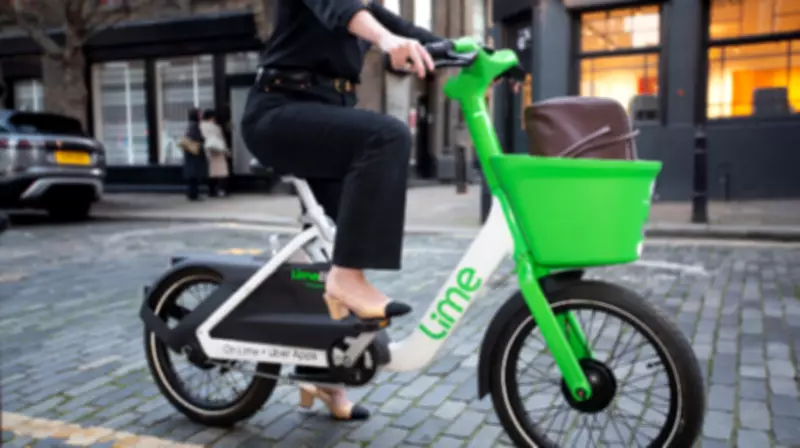
London's iconic LimeBike is undergoing a significant transformation this month with the launch of a completely redesigned model that addresses long-standing rider concerns while introducing innovative features. The controversial e-bike, which has become a staple of urban transportation in the capital, has been rebranded from "Lime bike" to "LimeBike" and features substantial improvements specifically targeting parking challenges that have frustrated many Londoners.
Addressing the Parking Predicament
For years, discarded Lime bikes scattered across London's streets have been a source of annoyance for residents and pedestrians alike. The new LimeBike model directly confronts this issue with upgraded on-board technology that significantly improves location recognition accuracy. This enhancement helps riders more easily identify and utilize designated parking spots, potentially reducing the visual clutter that has characterized the service's presence in the city.
Design and Technical Upgrades
The physical redesign of the LimeBike includes several notable changes. The frame has been lowered for easier mounting, while the battery has been repositioned to the rear for a sleeker aesthetic profile. The new fleet features 20-inch wheels instead of the previous 26-inch models, offering potentially better maneuverability in crowded urban environments.

Additional rider-focused improvements include portrait-oriented, secure phone holders that make navigation more convenient and ergonomic hand grips designed to provide enhanced comfort during longer journeys. These changes reflect Lime's commitment to responding to user feedback gathered from riders worldwide.
Sustainability and Modular Construction
Perhaps the most significant advancement in the new LimeBike model is its modular design philosophy. The company has incorporated replaceable components throughout the vehicle, allowing for easier repairs and significantly extending each bike's operational lifespan. This approach builds upon Lime's existing sustainability efforts, which include repurposing broken models to create fully functional "Frankenbikes" at their Tottenham warehouse facility.
Expanding Beyond London
While London receives the initial rollout of the new LimeBike model, several other UK cities will also benefit from the upgraded fleet. Nottingham, the West Midlands, Milton Keynes, and Oxford will all see the new bikes deployed throughout the month. Oxford residents will receive a special test batch featuring rear cargo storage capabilities, potentially expanding the utility of the e-bikes for practical transportation needs beyond simple commuting.
The Growing Popularity of E-Bikes
The timing of this upgrade coincides with a remarkable surge in e-bike usage across London. According to recent studies, electric bicycles accounted for at least one in ten cycling trips in the capital last year. Considering there were approximately 1.5 million daily cycling trips in London during 2025, this represents a substantial and growing segment of urban transportation.
Jon Jenkins, Lime's chief technology officer, expressed enthusiasm about the UK's evolving cycling culture. "The UK has developed a newfound love of cycling," Jenkins stated, "from daily commutes to weekend recreational rides and everything in between. We aimed to create a bike that matches that growing passion. By listening carefully to rider feedback from across the globe, we've developed a vehicle that combines smart connectivity, easy handling, and sharp performance."
The redesigned LimeBike represents more than just a product update; it signifies the maturation of shared micromobility services in urban environments. As London continues to grapple with transportation challenges and sustainability goals, innovations like these modular, parking-optimized e-bikes could play an increasingly important role in shaping the city's mobility landscape for years to come.