

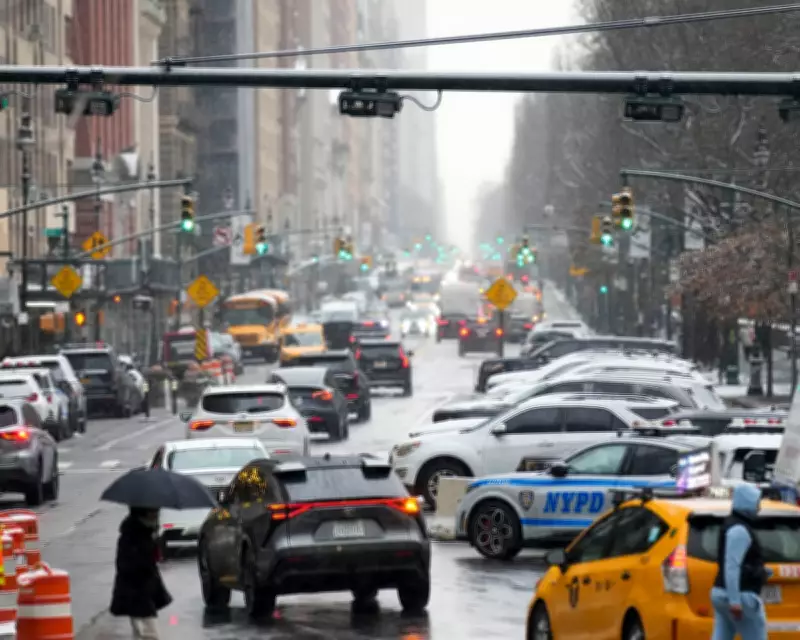
New York City's Congestion Toll: A Bold Move for Urban Mobility
In a significant step towards addressing urban congestion, New York City has officially rolled out a new congestion toll system. This initiative, aimed at reducing traffic in the city's busiest areas, marks a pivotal moment in urban planning and transportation policy. The toll, which applies to vehicles entering designated zones during peak hours, is designed to alleviate gridlock, improve air quality, and generate revenue for public transport enhancements.
Key Features of the Congestion Toll
The congestion toll operates by charging drivers a fee for entering high-traffic zones, such as Manhattan's central business district. This fee varies based on the time of day, with higher rates during rush hours to discourage unnecessary travel. The system leverages advanced technology, including license plate recognition and digital payment platforms, to ensure seamless enforcement and compliance. Officials project that the toll will reduce traffic volume by up to 15% in the targeted areas, leading to shorter commute times and fewer emissions.
Funding Public Transport Improvements
A major component of the congestion toll is its role in funding public transport. Revenue generated from the toll is earmarked for upgrades to the city's subway, bus, and cycling infrastructure. This includes modernizing aging transit systems, expanding service routes, and enhancing accessibility features for all residents. By reinvesting toll funds into public transport, the city aims to create a more sustainable and efficient mobility network, encouraging a shift away from private car use.

Economic and Social Implications
The implementation of the congestion toll has sparked widespread debate. Proponents argue that it will boost economic productivity by reducing traffic delays and improving public health through better air quality. However, critics raise concerns about the financial burden on low-income drivers and potential impacts on small businesses reliant on vehicle access. To address these issues, the city has introduced exemptions and discounts for certain groups, such as residents living within toll zones and emergency vehicles.
Public Response and Future Outlook
Initial public response to the congestion toll has been mixed, with some commuters praising the reduced traffic and others expressing frustration over added costs. City officials are closely monitoring the toll's effects, including traffic patterns, revenue collection, and public feedback, to make adjustments as needed. Looking ahead, the success of this initiative could serve as a model for other major cities grappling with similar congestion challenges, highlighting the importance of innovative solutions in urban mobility.
Conclusion
New York City's congestion toll represents a bold experiment in urban transportation management. By balancing traffic reduction with public transport funding, the city is taking proactive steps towards a more sustainable future. As the toll system evolves, it will continue to shape discussions on urban planning, environmental sustainability, and equitable access to city resources.






