Richmond Council Faces Crucial Vote on Lime E-Bike Contract Future
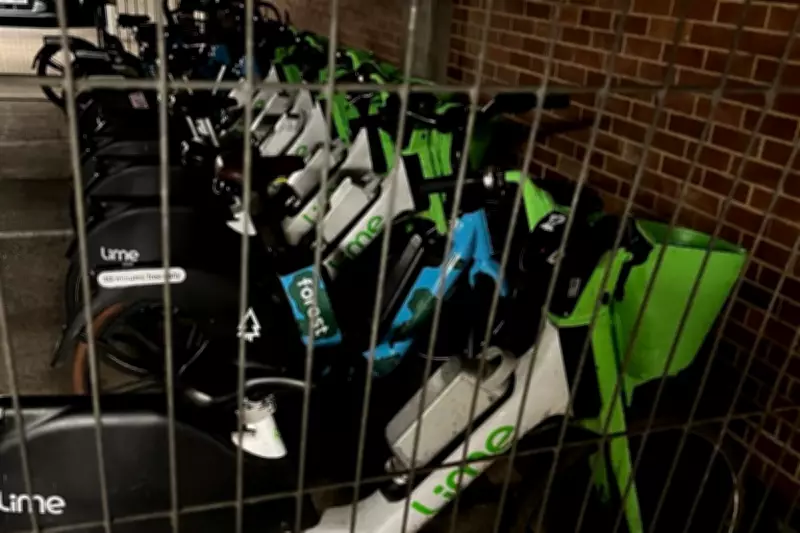
Richmond councillors are poised to make a pivotal decision next week that could force Lime to withdraw its e-bikes from the borough entirely, according to information obtained by City AM. The transport and air quality committee meeting scheduled for Monday evening will debate whether to approve officials' recommendation to replace Lime with rival operator Forest as the sole dockless e-bike provider in Richmond.
Riders Mobilized Ahead of Critical Committee Meeting
Emails reviewed by City AM reveal that Lime users have been actively invited to attend the 7pm session at the Civic Centre in York House. Residents are being urged to speak directly to councillors, explaining why they use Lime's service and how losing access would impact their daily travel routines. Users are specifically asked to outline whether the bikes facilitate their commutes or errands, why they prefer Lime over other operators, and what the consequences would be if the service disappeared from Richmond streets.
This community outreach comes as Richmond prepares to determine whether to accept officers' recommendation that Forest should become the borough's exclusive dockless e-bike operator starting this summer. Should councillors endorse this proposal, Lime would be compelled to withdraw its entire fleet from Richmond unless the council permits riders to merely pass through the borough without hiring or parking the bikes.

Battle for One of London's Most Active E-Bike Markets
Richmond represents a significant territory for Lime, not merely a marginal operation. Council documents indicate the operator recorded over 1.5 million trips within the borough during 2025 alone—a staggering 50 percent increase from the previous year as demand for dockless bikes continues to surge dramatically.
The borough currently authorizes Lime to maintain a fleet of 500 bikes, although council officials have acknowledged that substantially more bicycles frequently appear on streets during peak usage periods. Forest, a London-based operator that has expanded rapidly across the capital, has already secured exclusive operating rights in neighboring Kingston and Sutton. Additionally, Forest was selected last year as one of the operators replacing Lime in Hounslow.
Financial Considerations Versus Rider Experience
Richmond officials have recommended awarding the new contract to Forest after evaluating bids based on criteria including service quality, rider costs, and financial returns to the council. The specific financial details of these bids remain undisclosed to the public.
This recommendation underscores a growing tension within London's dockless bike market between councils seeking greater financial contributions from operators and companies arguing that bike performance and rider experience should carry more substantial weight in decision-making processes. This debate has intensified as boroughs confront tight budgetary constraints while e-bike tenders become increasingly lucrative.
City AM previously reported how certain council procurement processes, particularly in Hounslow, have effectively transformed into contests over which operator is willing to offer the largest financial commitment rather than purely competitions focused on service quality or operational excellence.
Contrasting Approaches Across London Boroughs
The Richmond vote occurs just days after Haringey council moved in the opposite direction, awarding a new four-year contract that permits both Lime and Forest to operate simultaneously within the borough. The north London authority stated that retaining two operators would provide the council with greater leverage over pricing, fleet size, and service standards while preserving essential rider choice.
A Forest spokesperson commented that both the Richmond and Haringey tenders had been highly competitive processes. "We're delighted to have been selected as the sole provider by the London Borough of Richmond upon Thames, as well as one of two operators in the London Borough of Haringey," the spokesperson stated. "Both were highly competitive and rigorous processes, and we're proud that the strength of our bids stood out."

Conversely, Lime, which advocates for a two-operator model, told City AM: "Almost all London boroughs are moving to systems with a minimum of two operators to give residents a choice of shared e-bike services in the capital. We hope councillors in Richmond choose to follow that model."
The Lime spokesperson further emphasized: "It is important shared e-bike schemes prioritize maintaining access to high quality, popular cycle options in London, rather than reducing them. This should always take precedence over financial commitments from companies, which are often unsustainable. If not, then we risk creating unpopular, dysfunctional schemes that drive down cycling rates and hinder London's net-zero goals."
Potential Wider Consequences for Southwest London Cycling
The Richmond decision could have broader implications for cycling infrastructure across southwest London. Single-operator boroughs might create coverage gaps that could leave riders stranded at borough boundaries where bikes suddenly cease functioning due to geo-fencing restrictions—an issue that has previously frustrated cyclists navigating between different London boroughs with varying operator agreements.