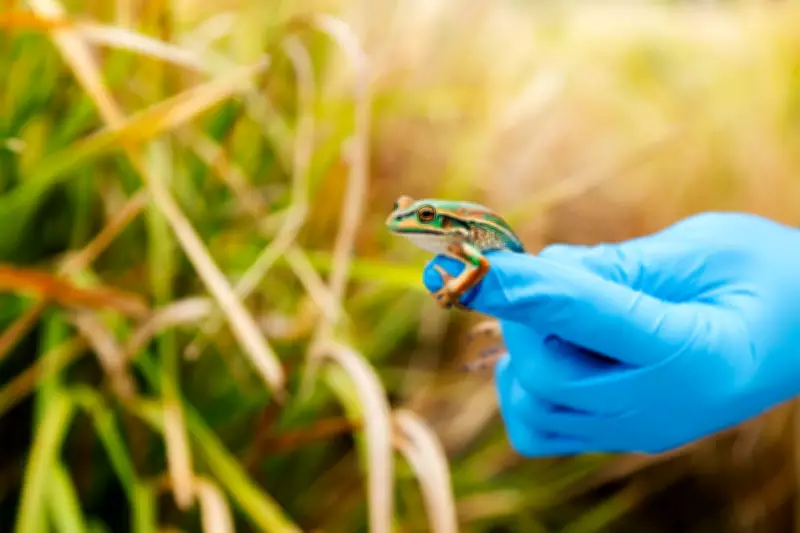
In a significant conservation victory, green and golden bell frogs have been observed recolonising wetlands in the Australian Capital Territory (ACT), marking a hopeful recovery from the chytrid fungal disease that has decimated amphibian populations globally. This resurgence follows years of dedicated environmental efforts and highlights the resilience of native species when supported by targeted habitat management.
A Triumph Over Chytrid Fungal Disease
The chytrid fungal disease, caused by the pathogen Batrachochytrium dendrobatidis, has been a major threat to amphibians worldwide, leading to dramatic declines and extinctions. In Australia, green and golden bell frogs were particularly hard-hit, with populations in the ACT and surrounding regions facing severe losses. The disease attacks the skin of frogs, disrupting their ability to absorb water and electrolytes, often resulting in fatal consequences. However, recent surveys in ACT wetlands have documented increasing numbers of these frogs, suggesting they are developing resistance or benefiting from improved environmental conditions.
Conservation Efforts and Habitat Restoration
The return of the green and golden bell frogs is not a mere coincidence but the result of concerted conservation initiatives. Key strategies have included wetland restoration projects that enhance water quality and create suitable breeding habitats. Authorities and environmental groups have focused on removing invasive species, controlling pollutants, and maintaining natural water flows to support amphibian health. Additionally, monitoring programs have been implemented to track disease prevalence and frog populations, allowing for adaptive management approaches that respond to emerging threats.

Community involvement has played a crucial role in this success story. Local volunteers and scientists have collaborated on citizen science projects, such as frog monitoring and habitat clean-ups, fostering a sense of stewardship and awareness. Educational campaigns have also raised public understanding of the importance of wetlands and the threats posed by diseases like chytrid fungus.
Implications for Biodiversity and Future Challenges
The recovery of green and golden bell frogs in ACT wetlands offers valuable insights for global amphibian conservation. It underscores the potential for species to rebound when provided with protected habitats and proactive disease management. However, challenges remain, as climate change and habitat fragmentation continue to pose risks. Ongoing research is essential to understand the long-term dynamics of chytrid fungus and to develop strategies that mitigate its impact.
This positive development serves as a reminder of the interconnectedness of ecosystems and the importance of preserving natural environments. As green and golden bell frogs thrive once more, they contribute to the biodiversity of the ACT, supporting other wildlife and enhancing the ecological balance of wetland areas.