

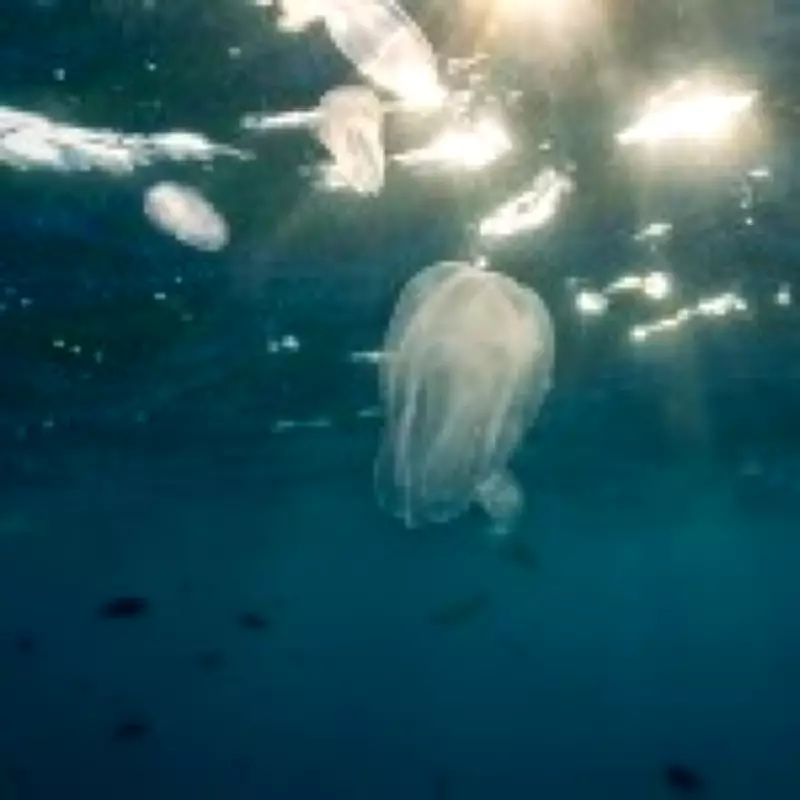
Venice, the iconic Italian city that draws up to 30 million visitors annually, is grappling with an unwelcome new resident in its famed waterways. Cannibalistic jellyfish have established themselves in the Venetian lagoons, disrupting native fish populations and causing significant headaches for the local fishing trade. These creatures are ranked among the 100 most harmful invasive species globally, posing a serious threat to the delicate aquatic ecosystem.
The Warty Comb Jellyfish: A Peculiar Predator
The invasive species, known as the warty comb jellyfish or sea walnut, exhibits bizarre behaviours, including consuming its own offspring and possessing a transient anus that only appears during defecation. Typically found in the western Atlantic Ocean, stretching from the Arctic to South America, these gelatinous organisms have recently been detected in the Adriatic Sea. Scientists believe they were accidentally transported to Venice's waters via ships' ballast water, which is used to stabilise vessels during voyages.
Climate Crisis Exacerbates the Invasion
Researchers from the University of Padua and the National Institute of Oceanography and Applied Geophysics have linked the jellyfish's colonisation to warmer sea temperatures driven by climate change. In a comprehensive two-year study, they noted that populations of the warty comb jellyfish bloom in late spring and between late summer and early autumn. These blooms are likely influenced by elevations in temperature and optimal salinity levels, the report stated, warning that ongoing climate change could create increasingly favourable conditions for this ctenophore, potentially boosting its presence in large aggregations and heightening risks to the entire lagoon ecosystem.

Impact on Venice's Fishing Industry
The invasion has dealt a blow to Venice's fishing industry, which is worth billions of euros. The jellyfish clog fishing nets and act as fearsome predators, consuming fish eggs, larvae, and plankton essential for a thriving lagoon ecosystem. This disruption not only affects fishermen's livelihoods but also threatens the biodiversity of the area, compounding environmental challenges.
A Dual Invasive Threat
The warty comb jellyfish is not the only invasive species troubling Venice. Atlantic blue crabs have also proliferated in the region, preying on seafood like clams and mussels, which are key targets for local fishermen. In response, Italians have adapted by incorporating blue crabs into their culinary offerings. Erica Zelante of the Michelin-starred restaurant Venissa in the Venetian lagoon area explained, The boom in crab numbers really began about two years ago. We started seeing a lot more of them here in the upper Adriatic. Our chefs decided that it would make sense from an environmental point of view to start using this invasive species. The restaurant now features blue crab in dishes with saffron, chillies, and spaghetti, offering a creative solution to the ecological issue.
Broader Implications and Future Concerns
The presence of these invasive species underscores broader environmental concerns, including the role of human activities and climate change in disrupting marine ecosystems. As Venice continues to battle rising sea levels and overtourism, the jellyfish invasion adds another layer of complexity to its sustainability challenges. Scientists emphasise the need for ongoing monitoring and adaptive strategies to mitigate impacts on the lagoon's health and the local economy.






