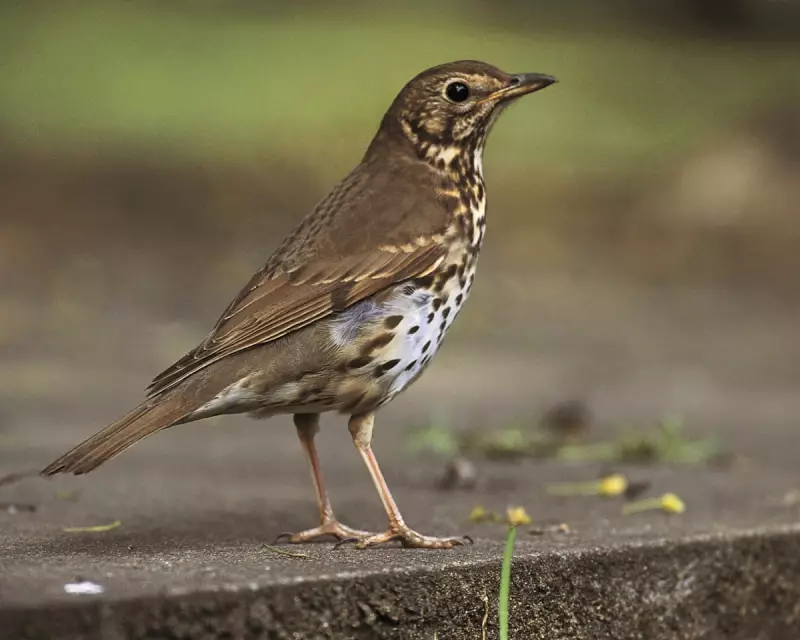
The annual RSPB Big Garden Birdwatch, commencing this Friday, could unveil unexpected avian visitors in British gardens, as a recent cold snap across Europe potentially drives higher numbers of migratory birds towards the UK's relatively milder winter climate.
Increased Chances of Spotting Migratory Species
Bird enthusiasts participating in the 2026 survey might enjoy enhanced opportunities to observe fieldfares and redwings, thanks to unsettled and chilly conditions prevailing on the continent. These species typically spend much of the year in Europe before journeying to Britain to escape severe cold in regions like Poland and Scandinavia, often motivated by scarce food resources in their usual habitats.
World's Largest Garden Wildlife Survey
Scheduled for 23 to 25 January, the Big Garden Birdwatch represents the globe's most extensive garden wildlife survey, inviting nearly 600,000 participants last year who recorded over 9 million birds across more than 80 different species. Among these, approximately 3,000 were fieldfares and redwings, highlighting the event's role in tracking avian populations.

Weather Patterns Influencing Migration
Beccy Speight, chief executive of the RSPB, explained: "Compared to nations such as Norway and Sweden, the UK experiences relatively warm winters, attracting substantial numbers of migratory birds from throughout Europe seeking shelter, sustenance, and water. However, annual figures fluctuate based on weather conditions both there and here – the recent cold spell might yield some surprise migratory visitors outside your window."
Shifts in Bird Rankings and Participation
In the 2025 survey, woodpigeons ascended to become the UK's third most recorded bird for the first time, trailing behind the house sparrow, which maintained its top position for the 22nd consecutive year, and the blue tit. Notably, starlings dropped out of the top three, reflecting dynamic changes in garden bird sightings.
Speight added: "Even on the greyest winter day, our local birds inject a welcome dose of wildness and nature into our daily routines."
How the Birdwatch Operates
Launched in 1979, the RSPB Big Garden Birdwatch encourages individuals to dedicate an hour to observing and counting birds in their gardens or local parks, then reporting their findings to the organisation. A parallel initiative for schools will occur during the first week of the spring term in February, fostering youth engagement in wildlife monitoring.
Top 10 Birds from Last Year's Survey
- House sparrow
- Blue tit
- Woodpigeon
- Starling
- Blackbird
- Robin
- Great tit
- Goldfinch
- Magpie
- Long-tailed tit
This year's event promises to shed light on how European weather extremes continue to shape bird migration patterns, offering a unique glimpse into the resilience and adaptability of avian species amidst changing environmental conditions.