

Valium and Slings: The Complex Plan to Move 30 Captive Beluga Whales from Canada
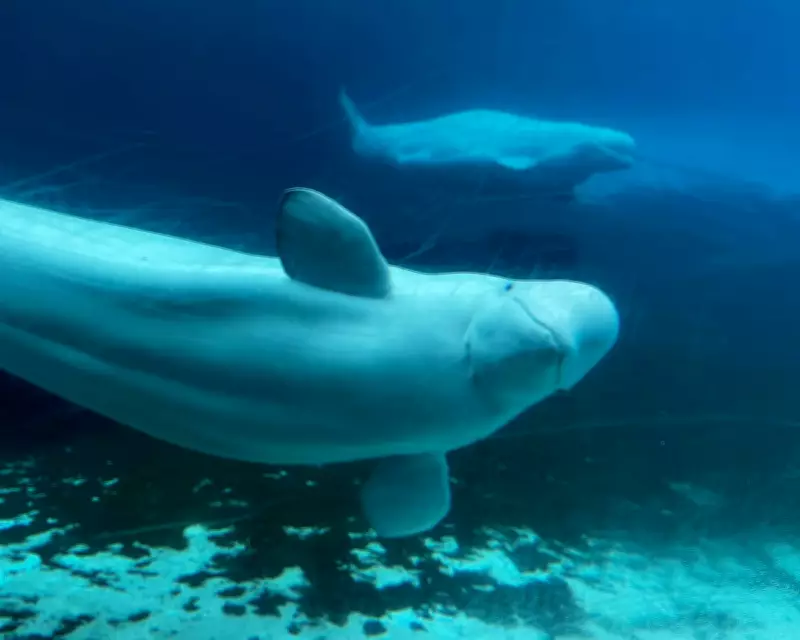
In a significant development for marine animal welfare, Canada has reached a tentative agreement to relocate thirty beluga whales from the now-closed Marineland amusement park in Niagara Falls, Ontario. The whales are set to be transported to four aquariums in the United States, marking a potential end to their captivity in Canada. This operation involves meticulous planning, including health checks, sedation with Valium, and the use of custom fabric slings, highlighting the intricate logistics required for such a large-scale animal move.
A Tentative Deal Amidst Controversy
Earlier this week, Joanne Thompson, Canada's federal fisheries minister, announced the tentative deal for export permits that would see all of Marineland's belugas shipped to aquariums in the US. However, none of the aquariums—Georgia Aquarium, Mystic Aquarium, and Shedd Aquarium—have yet confirmed they will accept the whales. In a joint statement, they emphasized that observations from a recent visit to Marineland would help inform plans, with the goal of providing hope and a future for these animals.
This development comes after Marineland threatened to kill all thirty belugas in response to the government rejecting their plan to sell the whales to Chimelong Ocean Kingdom in China. The rejection was based on fears that the sale would result in a continued life in captivity and a return to public entertainment, which is banned under Canadian law. The park has been closed to the public since 2024, adding urgency to the situation.

The Logistical Challenge of Transporting Whales
Moving a single whale is a complex task, but transporting thirty is an immense logistical feat, according to Phil Demers, a former trainer turned whistleblower. Despite the complexity, Demers notes that such operations can be carried out incredibly fast with proper planning. The process begins with all cetaceans receiving a clean bill of health from veterinarians, though two of the belugas have been receiving medical treatment for health issues recently.
Demers explains that every animal in captivity is compromised to some extent, but at Marineland, the whales are particularly distressed, as confirmed by an Ontario government inspection in 2021. For those healthy enough to travel, trainers will administer a dose of Valium to calm them before the journey. The night before, feeding is stopped to reduce stress and prevent complications during transport.
Step-by-Step Transport Process
The actual move involves several careful steps:
- The water in the whales' tanks is lowered, and trainers enter to guide each whale into a fabric sling designed with holes for their pectoral fins.
- A crane lifts the sling and places the whale into a steel transport box, roughly 15 feet long and filled with salt water to ensure buoyancy.
- The boxes are loaded onto trucks and driven to a transport plane, with the Lockheed C-130 Hercules being a preferred option due to its easy loading capabilities.
- Upon arrival, the process is reversed to safely unload the whales at their new homes.
Demers highlights the importance of water levels in the transport boxes, noting that too little water can put pressure on internal organs, while too much can enter blowholes. He compares the trip to a rough day in the ocean, suggesting it's manageable for the whales. Depending on weight, up to nine whales could be transported in a single trip, with the last move from Marineland in 2021 involving five belugas sent to Mystic Aquarium, three of which died soon after due to pre-existing health issues.
Mixed Reactions from Stakeholders
The news has elicited varied responses from animal rights groups and former trainers. Camille Labchuk, executive director at Animal Justice, called it absolutely heartbreaking that the whales won't get to live in a proposed sanctuary, criticizing Marineland's appalling threat to execute the animals. She stressed the need to ensure the whales are not bred in the US, as breeding in captivity is illegal in Canada, and emphasized that these animals must be the last generation to suffer in captivity.

In contrast, Kristy Burgess, a former beluga trainer at Marineland, expressed elation at the news, praising the US facilities for their world-class veterinarians and qualified staff. She described the trust she developed with the whales during her three years as magical and believes the move offers a better future for them.
Marineland, despite its earlier threats, issued a statement expressing gratitude to the federal government for tentatively approving the export permits and prioritizing the lives of these remarkable marine mammals. Demers, who has advocated for the whales' removal for over a decade, is relieved that a solution is on the horizon, though he remains critical of delays and the idea of sending them to an unbuilt sanctuary.
This complex operation underscores the ongoing debates over animal cruelty, captivity, and conservation, as Canada moves closer to removing its last captive whales from public entertainment.





