K'gari Dingo Cull Could Create 'Extinction Vortex' as Experts Question Safety Benefits
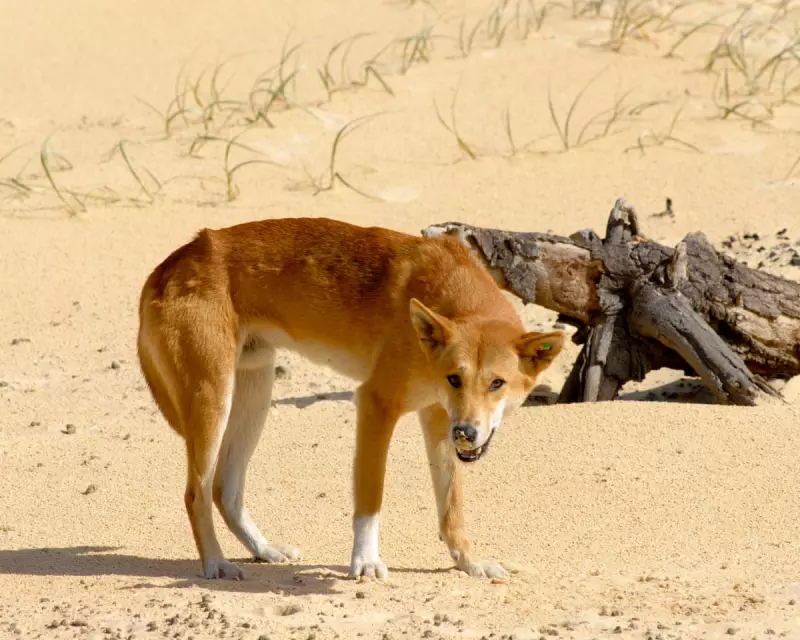
The Queensland government's decision to kill a pack of dingoes linked to the death of Canadian backpacker Piper James on K'gari has sparked warnings from genetic experts that it could push the island's isolated population toward extinction while doing little to protect future visitors.
Government Action and Family Responses
Authorities revealed on Sunday they had already euthanised six of the ten dingoes seen near the body of 19-year-old Piper James, who was found by passersby near the Maheno shipwreck on January 19th. The move has angered traditional owners who say they were not consulted, and has drawn mixed responses from the victim's family.
James's mother, Angela, told the ABC that killing the dingoes "is the last thing Piper would want", noting her daughter understood the animals "were there first". Her father, Todd James, expressed more conflicted views, telling AAP he didn't believe his daughter would support killing animals "because of a mistake that she made", but acknowledged that "for the safety of the island ... maybe that pack needed to be euthanised" based on their behaviour patterns.

Genetic Vulnerability of Island Population
Dr Kylie Cairns, a dingo genetics expert at the University of New South Wales, expressed deep concern about the culling decision, stating she felt "disheartened, disappointed and frustrated" that scientific evidence wasn't being properly considered. She revealed that K'gari's isolated dingo population, likely present for thousands of years, suffers from low genetic diversity and high levels of inbreeding.
"With only between 70 and 200 dingoes living on the island, removing 10 is quite significant. That can have a disproportionately large impact," Cairns warned. "At the moment they seem to be coping with this high level of in-breeding, but when you have a genetically constrained population it does not take much to push them into an extinction vortex."
The genetic specialist explained that the population's lack of diversity already makes them susceptible to disease, and further reductions could lead to pups being born with disfigurements and increased stillbirths among mothers. "We're at the point where we could start to see some of these things," she cautioned.
Questioning Management Approaches
Dr Bradley Smith, an expert on human-dingo interactions at Central Queensland University, described the pack killing as a "kneejerk reaction" and "dumb management". He argued that "culling never fixes an underlying problem" and that the fundamental issue requires addressing human behaviour rather than punishing animals for natural instincts.
"This is a people problem. You have to fix how people behave. You can't stop a dingo being a dingo, but you can change how humans behave," Smith emphasised. He noted that male dingoes on the island are currently in breeding season with elevated testosterone levels, making them naturally more aggressive, and that this cyclical behaviour would diminish in coming months.
Government Justification and Broader Context
The Queensland government has defended its decision, stating that rangers observed the pack involved in further "aggressive behaviour" since the tragedy and that the culling was "informed and in the public interest". Environment and Tourism Minister Andrew Powell said he backed rangers' advice that killing the pack was "appropriate for public safety".
This tragedy represents the first fatal dingo incident on K'gari since nine-year-old Clinton Gage was killed in 2001, an event that led to 32 dingoes being culled. The coroner is still determining James's exact cause of death, though preliminary autopsy findings indicate "physical evidence consistent with drowning and injuries consistent with dingo bites", including both pre-mortem and extensive postmortem bite marks.

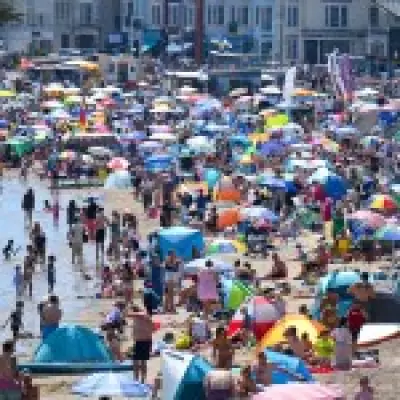
The incident raises difficult questions about balancing tourist safety with conservation on the World Heritage-listed sand island, where advisers have previously expressed concern about damage from over-tourism. The current government has ruled out capping visitor numbers despite these ongoing tensions between human activity and wildlife preservation.