Extinct Marsupials Rediscovered in New Guinea After 6,000 Years
In a groundbreaking biological revelation, researchers led by Australian scientist Tim Flannery have confirmed that two marsupial species, previously believed extinct for approximately 6,000 years, are alive and thriving in the remote rainforests of West Papua. This discovery represents a rare instance of "Lazarus taxa"—species that vanish from fossil records only to reappear millennia later—and has been hailed as unprecedented in modern science.
The Rediscovered Species
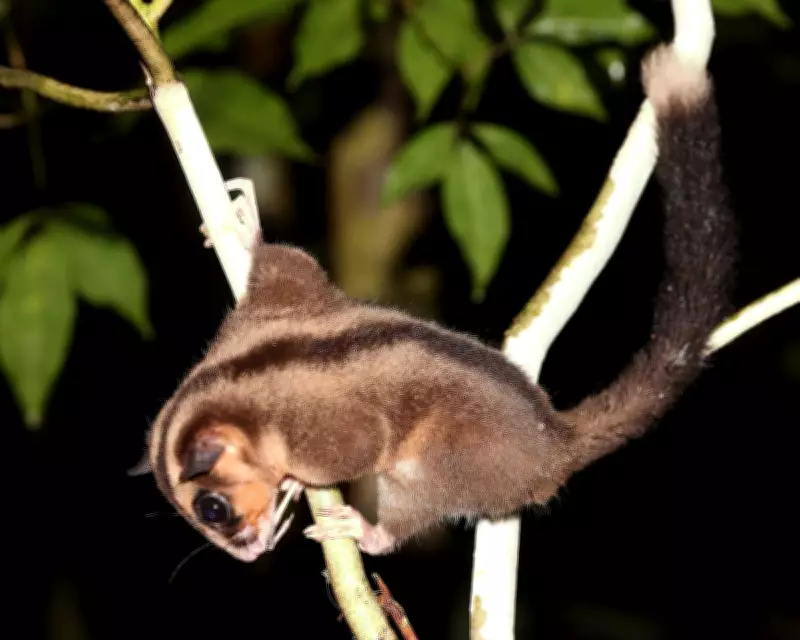
The first species, the pygmy long-fingered possum (Dactylonax kambuayai), is characterized by its distinctive striped fur and an extraordinarily elongated fourth digit, which is twice as long as its other fingers. This adaptation allows it to extract wood-boring insect larvae for sustenance. Fossil evidence had previously indicated its existence in central Queensland, Australia, around 300,000 years ago, with its last known presence in West Papua dating back 6,000 years before this recent find.
The second species, the ring-tailed glider (Tous ayamaruensis), is closely related to the Australian greater glider but features unfurred ears and a strongly prehensile tail used for gripping. Initially described through fossil fragments by the late zoologist Ken Aplin, Flannery's team has now identified it as part of a newly described genus of marsupials, marking the first new genus of New Guinean marsupial since 1937.

Scientific Significance and Methodology
Tim Flannery, renowned as a climate campaigner and author of The Weather Makers, emphasized the improbability of this discovery, stating that the chances of finding one mammal species thought lost for millennia were "almost zero," while finding two is "unprecedented and groundbreaking." The identification of these species was achieved through a combination of photographs from local researchers, fossil fragments, and a museum specimen collected in 1992 that had been misidentified and used for teaching purposes.
These findings are detailed in a special edition of a peer-reviewed journal published by the Australian Museum, where Flannery serves as a distinguished visiting fellow. The research underscores the critical importance of preserving unique environments, particularly the lowland mountain forests on the Bird's Head peninsula (Vogelkop) in West Papua, where both species reside.
Conservation and Cultural Implications
The discoveries highlight the urgent need for conservation efforts in the Vogelkop region, which faces threats from logging. Flannery's work involves collaboration with Indigenous elders, researchers from the University of Papua, the Global Wildlife Fund, and the Minderoo Foundation to protect these forests and maintain them under the control of traditional owners. The ring-tailed glider holds sacred status among some Vogelkop clans, who view it as a manifestation of ancestral spirits, further emphasizing the cultural significance of these findings.
David Lindenmayer, an ecologist at the Australian National University, praised the revelations as "amazing stuff," noting that they demonstrate the importance of remote rainforests that have been understudied. Flannery added that this discovery provides evidence linking the Vogelkop to the Australian continent, suggesting that the forests may harbor more hidden relics of Australia's past, with potential wider implications for evolutionary biology.