

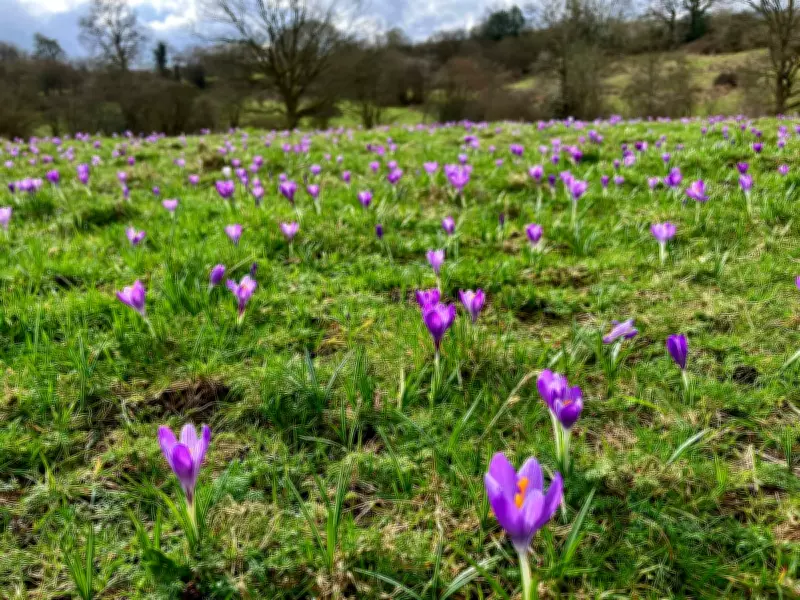
The Field Where Spring Happens First in the UK
In the heart of the British countryside, there exists a remarkable field that serves as a natural harbinger of spring, experiencing the season's arrival earlier than any other location in the region. This unique spot, documented in a recent country diary entry, showcases an early burst of life, with plants and wildlife responding to the subtle shifts in temperature and light long before the surrounding areas.
Early Signs of Spring in a Unique Field
The field, characterized by its specific microclimate and soil composition, fosters an environment where spring unfolds prematurely. Observers have noted the emergence of early flowering species, such as primroses and wood anemones, which typically bloom weeks ahead of schedule. This phenomenon is not merely a visual delight but a critical indicator of ecological timing, influencing local pollinators and herbivores that rely on these early resources.
The microclimate plays a pivotal role in this early spring display. Sheltered from harsh winds and benefiting from optimal sunlight exposure, the field retains warmth more effectively than adjacent areas. This creates a thermal advantage that accelerates plant growth and insect activity, setting the stage for a cascade of seasonal events. Wildlife, including birds and small mammals, is drawn to this early bounty, altering their behaviors to capitalize on the available food and nesting opportunities.

Ecological and Environmental Implications
This field's early spring is more than a quaint natural curiosity; it holds significant implications for understanding climate patterns and biodiversity. As climate change alters seasonal norms, such locations can serve as vital monitoring points for scientists studying shifts in phenology—the timing of biological events. The advanced blooming and breeding cycles observed here may offer insights into how ecosystems adapt to warming temperatures, potentially predicting broader environmental trends.
Resilience and adaptation are key themes in this natural setting. The field's ability to support early life forms underscores the importance of preserving diverse habitats that can buffer against climatic fluctuations. Conservation efforts focused on similar microclimates could enhance ecological stability, ensuring that species have refuges where they can thrive despite changing conditions.
Human Connection and Observational Insights
For local residents and nature enthusiasts, this field provides a cherished opportunity to witness the first whispers of spring, fostering a deeper connection to the natural world. Regular visits to the site reveal a dynamic tapestry of growth and activity, encouraging mindfulness and appreciation for the subtle rhythms of the seasons. Documenting these changes through country diaries and citizen science initiatives contributes valuable data, enriching our collective understanding of local ecosystems.
The field's story is a testament to nature's intricate timing and the delicate balance that governs seasonal transitions. By highlighting this early spring phenomenon, we are reminded of the beauty and complexity inherent in the UK's landscapes, urging continued observation and protection of such unique natural treasures.






