Gardeners Urged to Protect Caterpillars as UK Moth Populations Plummet
As spring unfolds and plants burst into life, gardeners across the United Kingdom are being asked to reconsider their traditional approach to the caterpillars that munch on their prized vegetables and ornamentals. Instead of waging war against these plant-eating larvae, the Royal Horticultural Society (RHS) and The Wildlife Trusts are urging Britons to adopt a more relaxed attitude to support the moths that many caterpillars grow into.
A Shift in Gardening Philosophy
Historically, gardening advice has focused on methods to eliminate caterpillars and prevent unsightly holes in plants. However, this perspective is changing as conservation concerns mount. For particularly treasured plants, the RHS now recommends pesticide-free approaches including manual removal, physical barriers, and strategic pruning rather than chemical warfare against caterpillars.
Helen Bostock, a senior wildlife expert at the RHS, emphasized the importance of this shift: "Moths have long played second fiddle to butterflies in the garden but understanding their value and needs, and that of their very hungry caterpillars, can support their recovery and help in creating a garden rich in biodiversity."

The Alarming Decline of UK Moths
The charities have issued stark warnings about plummeting moth populations across Britain. With approximately 2,500 moth species in the UK, many are now at significant risk. Overall numbers have fallen by a dramatic 33% since the 1960s due to multiple factors including:
- Habitat loss and fragmentation
- Climate breakdown and changing weather patterns
- Pollution from various sources
- Reduced food availability for caterpillars
Moths serve crucial ecological functions beyond their intrinsic value. They represent an important food source for other at-risk garden wildlife including birds, mammals, and larger insects, creating a vital link in the food chain.
Appreciating Caterpillar Diversity
The RHS encourages gardeners to develop a new appreciation for the caterpillars in their gardens. These larvae display remarkable diversity in appearance and behavior. Some species roam gardens consuming various plants, while others specialize in specific host plants. Their appearances range from large, green, easily spotted specimens to those expertly camouflaged to resemble twigs, bark, or even bird droppings.
These caterpillars eventually transform into striking adult moths, including:
- The pink and green elephant hawk moth
- The lunar hornet moth, which cleverly mimics a wasp
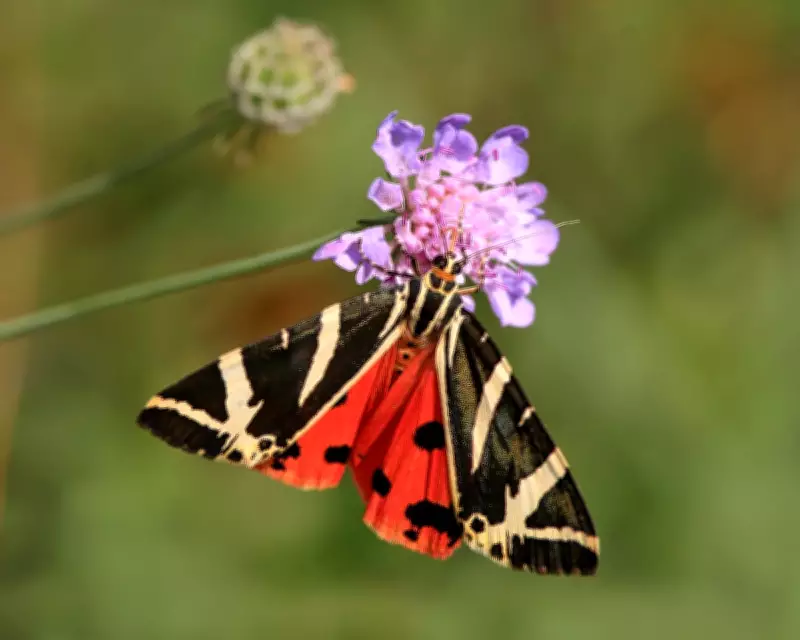
- The contrasting Jersey tiger moth in red, cream, and black, which is becoming more common in the UK as the climate warms
Caterpillar-Friendly Gardening Practices
Caterpillars require substantial energy to complete their transformation into moths. The RHS specifically asks gardeners to "allow for nibbling on ornamentals and vegetable crops" as part of a more tolerant approach to gardening.
The charity also recommends planting native trees and shrubs that support a broad range of caterpillar species, including:
- Willow and honeysuckle
- Foxgloves and verbascum
- Comfrey and marjoram
- Bedstraw and sweet william
- Sweet rocket and tobacco plant
- Jasmine and white campion
Specific Plants for Caterpillar Support
Several plants provide particularly valuable food sources for caterpillars:
Foxgloves: These attractive plants nourish several moth species including the lesser yellow underwing, angle shades moth, and setaceous Hebrew character.
Lady's bedstraw: This native wildflower with delicate yellow blooms supports the hummingbird hawk-moth, elephant hawk-moth, and bedstraw hawk-moth.
Mullein: These tall, drought-resistant yellow plants host the brightly striped caterpillars of the mullein moth.
Mint: This aromatic herb provides food for both the mint moth and beautiful plume moth while also attracting bees.
Mixed native hedges: For those with sufficient space, hedges containing hawthorn, blackthorn, hazel, and dog rose offer sustenance for a multitude of caterpillar species.

The Beauty and Importance of Moths
Vicki Hird, an insect expert at The Wildlife Trusts, celebrated the aesthetic qualities of moths: "Moths are stunning in name and beautiful by nature. The green, black and white merveille du jour looks as if it's been exquisitely painted by an artist, and the white ermine appears to be casually draped in a black-spotted cloak with a warm fur ruff."
Hird continued: "It's no wonder the French call moths 'butterflies of the night'. Even little brown moths can have wonderful, intricate markings. Making a simple moth trap is a wonderful way of enjoying these incredible creatures up close before releasing them back into the wild."
This call to action represents a significant shift in gardening philosophy, asking those who tend Britain's gardens to reconsider their relationship with caterpillars and recognize their crucial role in supporting declining moth populations and broader garden biodiversity.