The UK government has been accused of breaking its promise to protect nature after announcing a significant weakening of planning rules designed to ensure new housing developments benefit the environment.
Exemption for Small Sites Sparks Outcry
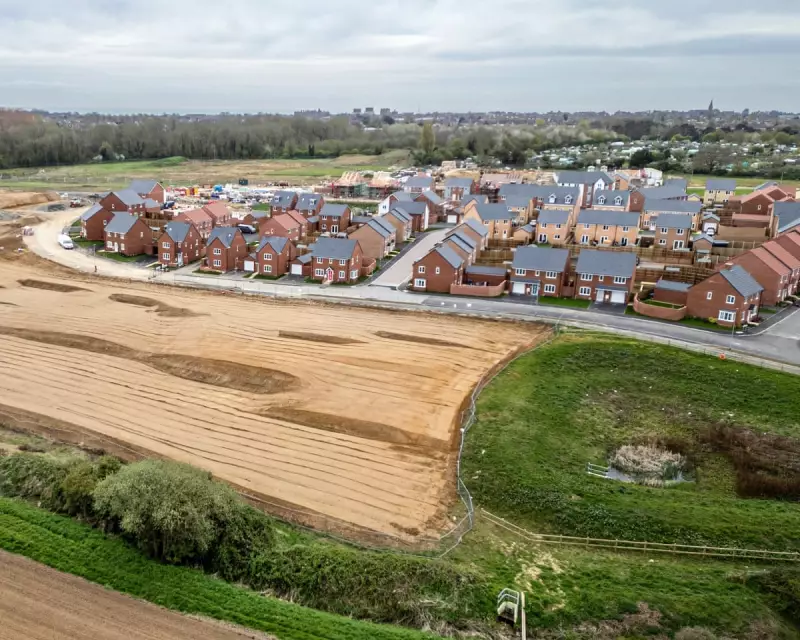
Housing minister Matthew Pennycook announced on Tuesday that developments under 0.2 hectares will be exempt from the "biodiversity net gain" (BNG) rule. This policy, which came into force in February 2024, had mandated that developers create 10% more space for nature on a site than existed before construction began.
Analysis by the Wildlife Trusts suggests this exemption means a combined area across England equivalent to the size of Windsor forest will now not be legally required to be restored for wildlife. The move forms part of a broader government package aimed at helping it meet its target of building 1.5 million homes by the end of this parliament.

"A Broken Promise" and Risk to Investment
Conservation leaders have reacted with anger. Craig Bennett, chief executive of the Wildlife Trusts, accused Housing Secretary Steve Reed of breaking a personal promise. "In January of this year when he was environment secretary, Steve Reed made a solemn promise that the government was 'committed to biodiversity net gain'," Bennett stated. "Now, as housing secretary, he has broken his word."
Nature groups also warn the change jeopardises substantial private investment in habitat restoration. Since BNG rules were implemented, private firms have already directed £320 million into such projects. Beccy Speight, CEO of the RSPB, said the decision "flies in the face of the UK government’s promise to be 'the most nature-positive government this nation has ever had'."
Potential to "Wreck the Policy Altogether"
The scale of the exemption is particularly concerning because small developments dominate England's planning system. Data indicates that:
- 95% of planning applications are for sites under 1 hectare.
- 88% are for sites under 0.5 hectares.
- 77% are for sites under 0.2 hectares.
Wildlife and Countryside Link has warned that exempting such a high proportion of sites could "wreck the policy altogether".
In defence of the changes, Steve Reed argued the current planning system says "'no' more often than it says 'yes'" and that the government must "do everything within our power to build the homes" people deserve. The government also stated it would consult on ensuring the system supports brownfield-first development and simplifies offsite habitat creation rules.
Separately, ministers are consulting on applying BNG rules to nationally significant infrastructure projects like roads and airports. Campaigners urge the government to hold these major schemes to a high environmental standard to prevent mass habitat destruction.
Richard Benwell, CEO of Wildlife and Countryside Link, concluded: "To meet its electoral promise of halting wildlife decline, government should strengthen green economy rules, not shrink them... Restoring nature and stopping pollution are a key test of the government’s credibility and it’s time for action."