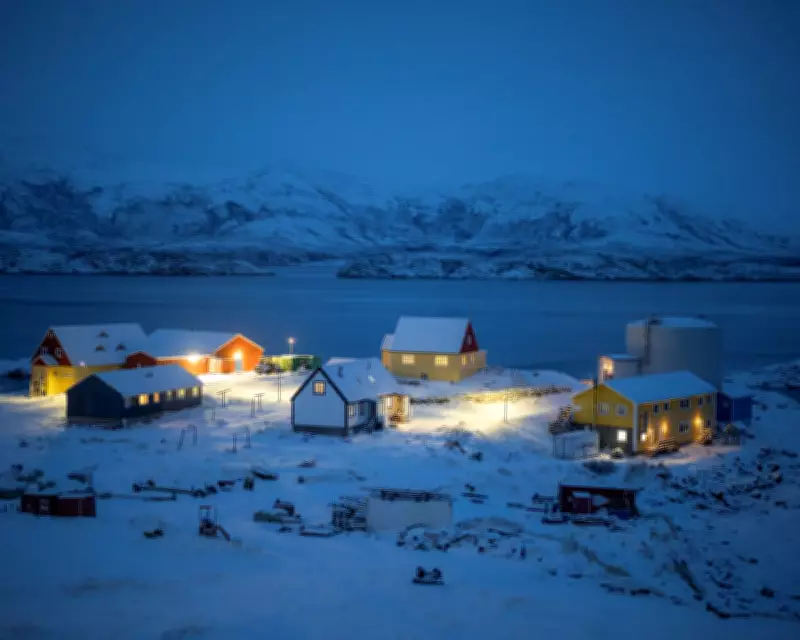
In a powerful statement of cultural identity and environmental stewardship, the Inuit community of Greenland has reaffirmed their traditional view that no one owns the Arctic land; instead, it is shared collectively among the people. This perspective challenges conventional notions of property and ownership, highlighting a deep-rooted connection to the natural world that has sustained their way of life for generations.
Cultural Heritage and Land Stewardship
The Inuit of Greenland, who have inhabited the Arctic region for thousands of years, base their relationship with the land on principles of communal responsibility and sustainability. Unlike Western concepts of private property, their approach emphasises that the land and its resources are held in trust for the community, ensuring that future generations can continue to thrive in this harsh yet beautiful environment.
Rejecting Individual Ownership
This stance directly opposes systems that promote individual land ownership, which can lead to exploitation and environmental degradation. By asserting that "we share it," the Inuit are advocating for a model of governance that prioritises ecological balance and social cohesion over profit-driven development.

Implications for Arctic Policy
This declaration has significant implications for Arctic policy and international discussions on indigenous rights. As climate change and resource extraction increase pressure on the region, the Inuit's voice serves as a crucial reminder of the need to incorporate traditional knowledge and sustainable practices into global environmental strategies.
Global Relevance
The message from Greenland's Inuit resonates beyond the Arctic, offering insights into alternative ways of managing natural resources that could inform broader efforts in conservation and community-led initiatives worldwide.