

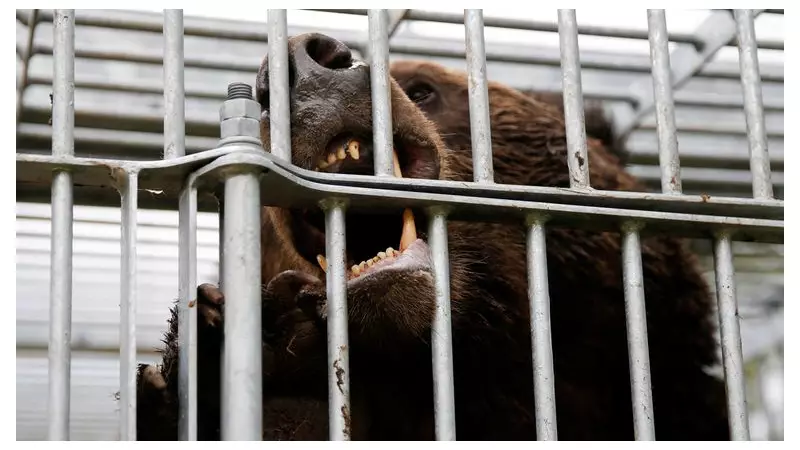
In an extraordinary emergency response, Japan has deployed its military to combat a terrifying surge in deadly bear attacks that has left communities across northern regions living in fear.
The Japanese Defence Ministry confirmed troops have been sent to the worst-affected areas, particularly in Akita prefecture, where the situation has become so severe that local authorities can no longer manage the crisis alone.
Rising Body Count Sparks Emergency Action
This year has witnessed a shocking escalation in bear-human conflicts, with officials reporting at least two fatalities and dozens of serious injuries. The most recent tragedy occurred in Akita, where a local fisherman lost his life in a brutal mauling.

"We've never seen anything like this before," admitted a senior official from the region's environmental department. "The frequency and severity of these attacks represent an unprecedented threat to public safety."
Military Takes to the Streets
Armed soldiers are now conducting patrols through vulnerable communities, working alongside wildlife experts to track and eliminate the most dangerous animals. The operation represents one of the largest military deployments for wildlife management in Japan's recent history.
Local residents, many of whom have stopped venturing outside after dark, have expressed both relief and concern about the military presence in their neighbourhoods.
What's Driving the Bear Invasion?
Experts point to several factors behind the alarming increase in bear encounters:
- Food shortage crisis: Poor harvests of the bears' natural food sources, particularly acorns and beech nuts
- Habitat encroachment: Increasing human development in traditional bear territories
- Climate impact: Changing weather patterns affecting bear behaviour and food availability
- Population growth: Rising bear numbers in certain regions
Wildlife specialists warn that as bears become more desperate for food before winter hibernation, the risk of further attacks remains critically high.
A Nation on Edge
The crisis has transformed daily life in many rural communities. Schools have implemented special safety protocols, elderly residents are afraid to tend their gardens, and local authorities have distributed emergency alerts and safety information to every household.
As the military operation continues, the nation watches anxiously, hoping this unprecedented response will be enough to protect vulnerable communities from further tragedy.






