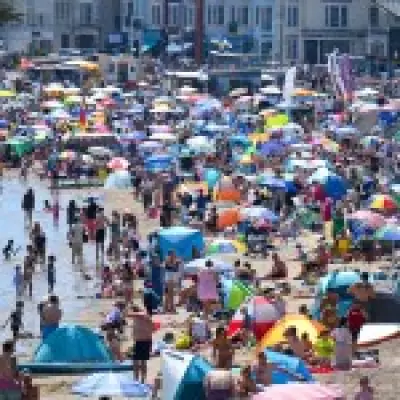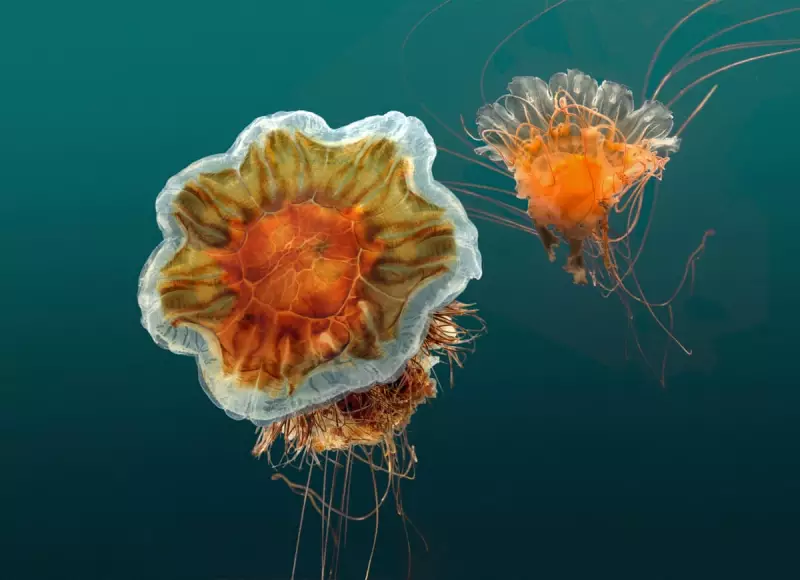
An extraordinary natural phenomenon has unfolded along Melbourne's coastline as thousands of striking red lion's mane jellyfish have washed ashore across Port Phillip Bay. The gelatinous influx has transformed beaches from Altona in the west to Blairgowrie on the Mornington Peninsula, creating both a spectacle and a safety concern for summer beachgoers.
Unusual Marine Event Captivates Melbourne
Port Phillip Baykeeper Neil Blake described the current bloom as a rare occurrence, noting that such significant numbers haven't been observed for approximately four years. This follows another unusual marine event in December when bluebottles washed up on Victorian beaches, suggesting changing patterns in coastal waters.
The jellyfish presence fluctuates with wind and wave conditions, though numbers have decreased from their peak about a week ago when the arrival was substantial enough to prompt the closure of at least one Melbourne beach. Most specimens measure about the size of a peach, but their tentacles can extend up to a metre or more, creating an impressive yet potentially hazardous display.

Safety Warnings for Beach Visitors
Life Saving Victoria has issued clear guidance for those visiting affected areas. "If you can see jellyfish in the shallows, don't swim," advised a spokesperson. The organization emphasizes sticking to patrolled beaches and swimming between the red and yellow flags where possible.
Bayside City Council, whose coastline stretches from Brighton to Beaumaris, has reminded residents that jellyfish sightings represent a natural seasonal occurrence while urging caution. Their social media statement captured the mixed sentiment: "The joys of an Australian summer!" alongside practical warnings about swimming carefully and watching where you walk barefoot.
The council specifically highlighted risks to vulnerable groups, noting that stings can be particularly dangerous for young children, older individuals, and those with allergies. Even jellyfish stranded on sand retain their stinging capability, making them a hazard for curious beachgoers and pets.
Understanding the Jellyfish Lifecycle
Dr Jonathan Lawley, a jellyfish expert, explained that lion's mane jellyfish are "not very good swimmers" and primarily drift with currents and winds. Their appearance near shore typically results from specific tidal and weather conditions that concentrate them in coastal areas.
These creatures undergo a fascinating lifecycle where larvae, called polyps, remain dormant on the seafloor until environmental triggers prompt them to "strobilate" - dividing into dozens of tiny baby jellyfish. Temperature changes, rainfall patterns, and food availability can all influence this transformation process.
Dispelling 'Jellygeddon' Fears
Despite dramatic headlines, Dr Lawley suggests concerns about a looming "jellygeddon" driven by climate change may be overstated. While some jellyfish species appear to be increasing in response to warming waters, others show population declines, creating a complex ecological picture.
Jellyfish play crucial roles in marine ecosystems, serving as both predator and prey in ocean food webs. Some fish species even use jellyfish swarms as protective cover from larger predators, demonstrating their importance beyond their stinging reputation.
Such blooms typically persist for days or weeks until adult jellyfish complete their spawning cycle and perish, or become food for other marine animals. The current event provides scientists with valuable opportunities to study these fascinating creatures and their responses to changing environmental conditions.