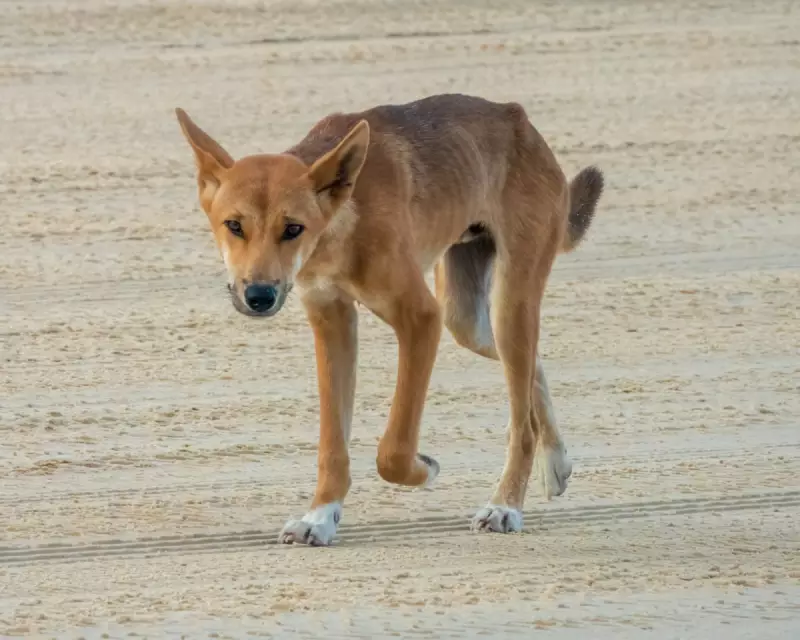
K'gari Dingo Pack to be Euthanised Following Tragic Tourist Incident
The Queensland government has announced the decision to euthanise an entire pack of dingoes on K'gari, formerly known as Fraser Island, after they were linked to the death of Canadian tourist Piper James. Environment Minister Andrew Powell confirmed that ten animals would be humanely destroyed, citing an unacceptable public safety risk following the 19-year-old's tragic passing earlier this week.
Details of the Incident and Government Response
An autopsy report released on Friday revealed that Piper James sustained injuries consistent with dingo bites, though these were not deemed the immediate cause of death, which was attributed to drowning. The incident occurred on K'gari, located approximately 380 kilometres north of Brisbane in Queensland's Wide Bay-Burnett region. Rangers monitored the pack involved and observed aggressive behaviour, leading to the government's tough decision.
Minister Powell stated, "This tragedy has deeply affected Queenslanders and touched the hearts of people around the world." He emphasised that the removal of the dingoes was necessary in the public interest, despite its difficulty. Six animals were already destroyed on Saturday, with the remainder to follow.

Indigenous Concerns and Ecological Implications
The Butchulla Aboriginal Corporation, representing the Indigenous traditional owners of K'gari, expressed outrage over the lack of consultation. Secretary Christine Royan described the action as a "cull" and criticised the government for not informing them until Sunday, despite co-managing the island under a native title arrangement. K'gari is home to an estimated 200 dingoes, sacred to the Butchulla people and referred to as wongari, with their protection enshrined in the island's world heritage listing.
This decision echoes past controversies, such as the 2001 cull after a dingo killed 9-year-old Clinton Gage, which saw about 30 animals destroyed. Conservationists and the Butchulla have long blamed over tourism for increasing dingo attacks, with the world heritage advisory committee warning last February that the island's ecology risks being "destroyed" by excessive visitation. However, Minister Powell has consistently rejected proposals to cap tourist numbers.
Broader Context and Expert Warnings
Dingo attacks have become more common in recent years, though fatalities remain rare, with notable cases including the 1980 death of baby Azaria Chamberlain in the Northern Territory. Bradley Smith, a senior lecturer at Central Queensland University, warned that any reduction in the dingo population, estimated between 100 and 200, could be catastrophic to their viability. The state government has implemented measures like fencing and warning signs to protect visitors, but individual animals are occasionally destroyed when deemed a threat.
The incident raises ongoing questions about balancing public safety with wildlife conservation and Indigenous rights on K'gari, highlighting the complex challenges of managing a unique ecosystem amid growing tourism pressures.