

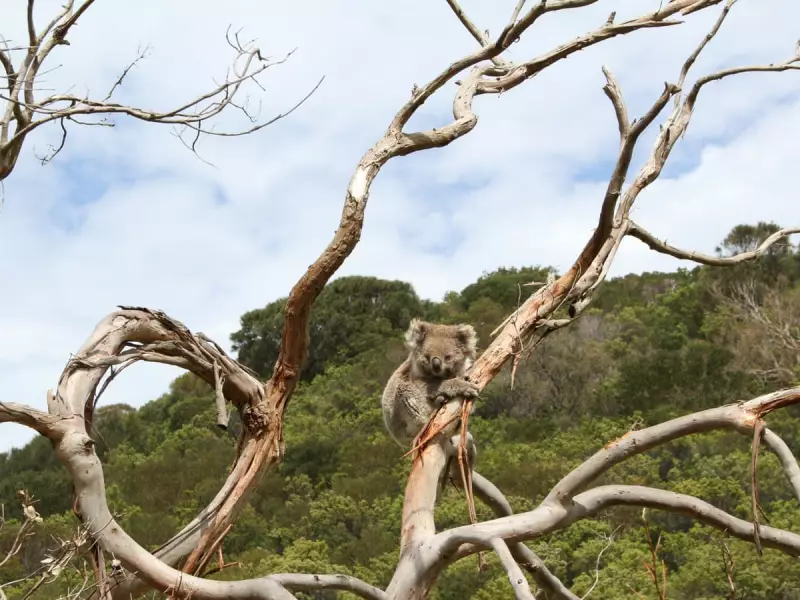
Australia is grappling with a complex and seemingly contradictory wildlife crisis centred on its most beloved marsupial. While koala populations are in steep decline and listed as endangered across much of the country's east, other regions are struggling with an overabundance of the animals, leading to localised environmental damage. This split reality, detailed in recent reports, presents a unique and challenging paradox for conservationists and policymakers.
The Two Faces of Koala Survival
The situation is starkly divided by geography. In states like New South Wales and Queensland, koala numbers have plummeted due to a devastating combination of habitat loss from land clearing, catastrophic bushfires, disease, and dog attacks. The 2019-2020 Black Summer bushfires were particularly catastrophic, killing or displacing thousands. Here, the iconic animal is fighting for survival, with its conservation status officially elevated to endangered.
Conversely, in some isolated habitats such as Kangaroo Island off South Australia and in certain Victorian woodlands, koala populations have surged. In these areas, a lack of natural predators, successful past translocations, and an abundance of preferred food trees have allowed numbers to grow unchecked. This overpopulation is now causing severe defoliation and the death of the very manna gum and blue gum trees the koalas depend on, threatening the long-term health of the entire ecosystem.

Management Headaches and Ethical Dilemmas
This dichotomy forces difficult and often controversial management decisions. In overpopulated zones, authorities have resorted to fertility control programmes, where female koalas are captured and given contraceptive implants. More drastically, there have been instances of "koala culls" through managed euthanasia to prevent starvation and habitat collapse, a practice that sparks significant public outcry given the animal's endangered status nationally.
Meanwhile, in regions where koalas are vanishing, the focus is on protection and restoration. Efforts include creating wildlife corridors to connect fragmented habitats, establishing new protected areas, and ambitious tree-planting initiatives. However, these measures are often undermined by continued urban development and agricultural expansion, highlighting a persistent policy conflict.
A Unified National Strategy Remains Elusive
The core of the problem lies in the lack of a cohesive, nationally coordinated management plan. Koala populations are managed on a state-by-state basis, leading to inconsistent approaches that fail to address the species' status as a single, interconnected national population. Experts argue that treating the koala as a single conservation unit is flawed.
Professor Desley Whisson, a wildlife ecologist at Deakin University, emphasises that localised overabundance does not negate the overall threat of extinction. The solution requires nuanced, science-led strategies that recognise the different pressures in different regions, rather than a one-size-fits-all approach. This may involve carefully managed translocations from overpopulated to underpopulated areas, though such moves carry risks of spreading disease and require meticulous planning.
The future of Australia's koalas hinges on resolving this paradox. It demands a sophisticated balance between urgent protection in crisis zones and proactive, ethical population control in others, all underpinned by a unified national framework that moves beyond symbolic status to on-ground ecological reality.






