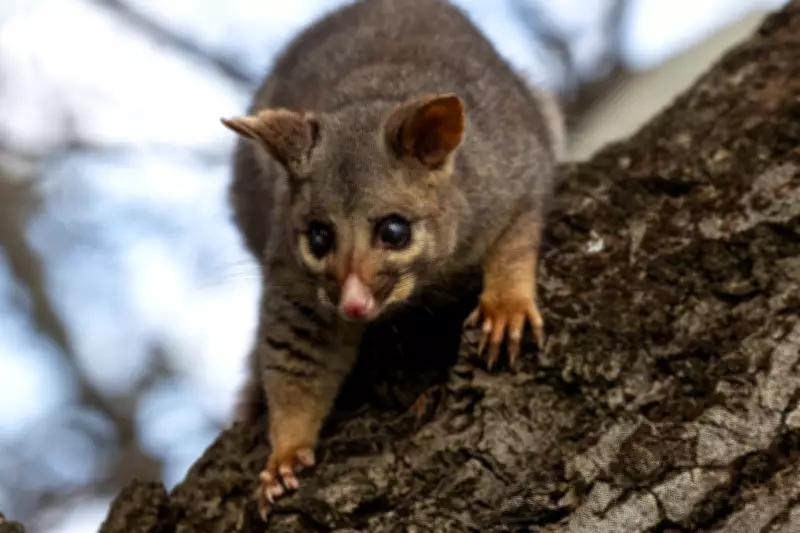
In a compelling personal narrative, a New Zealander's deep-seated hatred for possums has come to light, sparking a broader discussion about cultural perspectives and environmental management. This individual, whose identity remains private, expresses a visceral dislike for these marsupials, which are often viewed as invasive pests in New Zealand, contrasting sharply with attitudes in other regions like Australia where they are sometimes seen as native wildlife.
Cultural Clash Over Wildlife
The story revolves around a girlfriend from New Zealand who harbors an intense animosity towards possums. In New Zealand, possums are not native; they were introduced in the 19th century and have since become a significant environmental threat. They damage native forests, prey on bird eggs, and compete with indigenous species for resources, leading to widespread efforts to control their population through culling and trapping.
This perspective clashes with views in places like Australia, where possums are protected in some areas and considered part of the natural ecosystem. The New Zealander's stance highlights how cultural and geographical contexts shape attitudes towards wildlife, with possums symbolizing different things depending on one's homeland.

Environmental Impact and Management
Possums in New Zealand are estimated to number in the tens of millions, causing extensive ecological harm. They are known to browse on native plants, leading to deforestation and loss of biodiversity. Additionally, they can carry bovine tuberculosis, posing risks to livestock and human health. As a result, New Zealand has implemented aggressive control measures, including poison drops and hunting programs, which are supported by many residents but criticized by animal rights advocates.
The girlfriend's hatred for possums is rooted in this environmental context, reflecting a common sentiment among New Zealanders who see them as destructive invaders. This personal story underscores the emotional and practical dimensions of wildlife management, where possums are not just animals but symbols of a larger struggle to preserve native ecosystems.
Broader Implications for Conservation
This narrative raises important questions about how societies balance conservation with animal welfare. In New Zealand, the possum issue is part of a broader "Predator Free 2050" initiative aimed at eradicating invasive species to protect native flora and fauna. This ambitious goal involves community engagement, scientific research, and ethical debates over the methods used.
The girlfriend's perspective serves as a microcosm of these larger discussions, illustrating how personal experiences can inform public policy and cultural attitudes. It also highlights the challenges of managing invasive species in a globalized world, where species introductions can have unintended consequences.
Ultimately, this story is more than just a tale of dislike; it is a reflection of the complex interplay between culture, environment, and identity. As possums continue to be a contentious topic in New Zealand, this personal account adds a human element to the ongoing debate over how best to coexist with—or combat—non-native wildlife.