While many of us stumbled into 2026 feeling weary and burdened by global anxieties, one beacon of hope remains undimmed: the relentless, wondrous progress of science. From gene-edited cures to colour-creating chemists, the revelations of 2025 proved that awe is still readily available.
The Wonders That Set the Stage
Last year was a testament to human curiosity. Scientists at UC Berkeley did not just discover but created an entirely new colour, named "olo", a shade reminiscent of teal. In the medical field, doctors pioneered a treatment for a rare genetic disorder in a baby using bespoke gene editing, a landmark moment for personalised medicine.
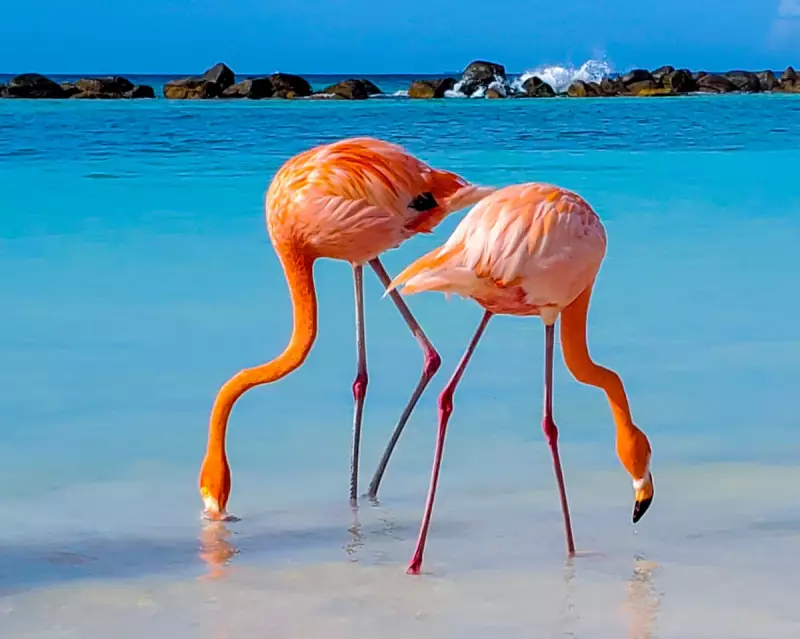
The natural world offered its own spectacular headlines. Researchers found that prehistoric ichthyosaurs possessed stealth-adapted flippers, while the humble snail revealed a stunning capacity to regrow its eyes within a mere month. Perhaps most poetically, it was observed that flamingos create miniature, tornado-like vortices with their beaks to stir up prey in the water—a behaviour as beautiful as it is effective.

Further oddities included a 'bone collector' caterpillar that uses the remains of its prey as camouflage, and the fascinating, if surreal, project that saw oyster mushrooms connected to a keyboard. With over 100 new moons identified in our solar system and significant strides in growing replica womb lining and lab-made teeth, 2025 was a year of both profound and peculiar advancement.
A Personal Wishlist for Future Discovery
While the grand challenges of climate change, disease, and ecosystem collapse rightly dominate research agendas, there is room for science to tackle the smaller, yet universally relatable, puzzles of modern life. Here is a hopeful list of nine breakthroughs that would make 2026 a little brighter.
Firstly, let's revisit the science of sitting. Is lounging really the new smoking? A definitive, clever re-examination of sedentary lifestyles would be a public service.
The animal kingdom always delights. After the exciting discovery of a supersized stick insect and four new wasp species in 2025, global morale could use the announcement of a new, cute, and fluffy mammal. Entomologists, please keep your eyes peeled.
Translation technology needs its next frontier: pets. Software can now navigate complex human languages with ease, as seen by a journalist traversing Japan. The real test? Deciphering whether your cat's meow is one of love or contempt. Be careful what you wish for.
An urgent cure for the 'earworm'. The psychological torment of an endless, looping snippet of music—be it a TV theme tune or pop hit—requires a scientific solution. Our sanity depends on it.
Harnessing unconventional energy. Two potential green power sources demand investigation: the kinetic energy from millions of fingers scrolling on phones, and the formidable, untapped force of middle-aged female rage. The latter could likely power the National Grid for short, intense bursts.
Redefining healthy exercise. Studies on the benefits of short, sharp activity are promising. Perhaps 2026 will reveal that the slow, slumping walk to the refrigerator also carries unexpected health benefits.
Solving the treadmill time paradox. Physics must explain why, when running on a treadmill, four minutes can feel like a passing geological epoch. This relativistic mystery needs cracking.
Technology to defeat bedtime procrastination. Wearables have come far, but the nightly battle to get off the sofa and into bed persists. The ideal device would automate the entire undressing and teeth-brushing process, airlifting us to bed if necessary. A less ambitious model could simply deliver escalating electric shocks for every minute spent lounging past bedtime.
The Most Pressing Wildlife Inquiry
Finally, and perhaps most pressingly, science must turn its attention to geese. Forget orchestrated orca attacks; the true enigma of the animal world is the profound, unbridled anger of the common goose. What is their deal? A comprehensive study into their aggressive disposition is a public safety and philosophical necessity.

Science, in all its scales from cosmic to quirky, remains our most reliable source of optimism. As 2026 unfolds, we watch eagerly for the mind-blowing discoveries—both large and small—that will undoubtedly come.